
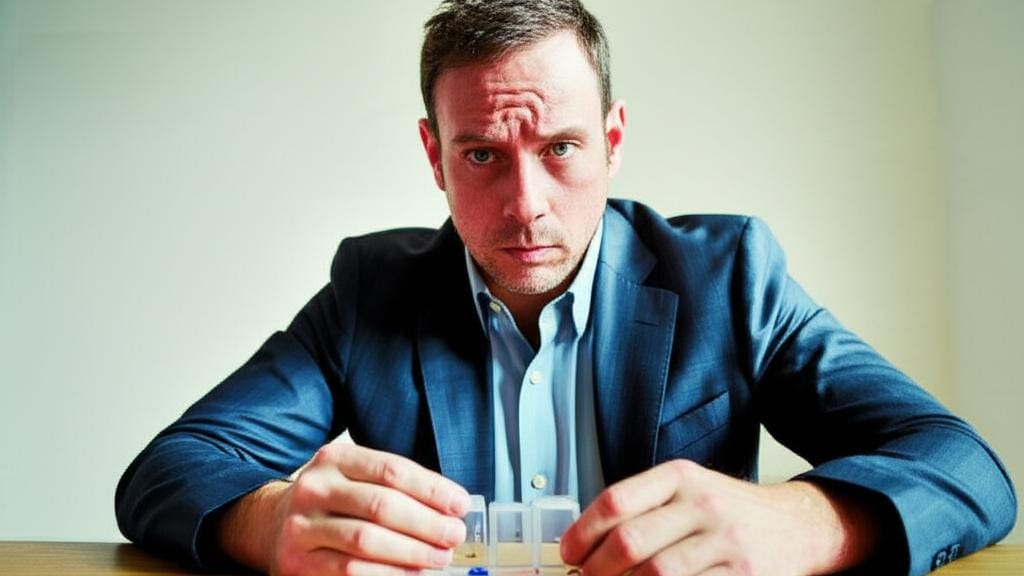
Have you ever wondered, "Do I have to take all these medications?" when your doctor prescribed a bunch of diabetes medications? Or, have you ever had a hard time remembering which medications to take at each time? It's actually quite common to feel that way. Many people have these problems. So don't worry, today we'll talk about how to manage your treatment as a person with Type 2 Diabetes in a way that's right for you and easy for you.
HbA1c converter
Convert HbA1c values to normal blood sugar levels
Why do diabetes patients need multiple medications?
Simply put, when treating type 2 diabetes, our main goal is to control the sugar level in the blood. Because if this sugar level is high for a long time, it can damage very important organs in our body. Think, things like the heart, kidneys, eyes, nervous system. So we do this treatment to protect these organs.
When your doctor prescribes medication for you, it can be difficult to do this with just one type of medication. Therefore, he or she may prescribe one or more medications that work in different ways.
- Old and common medications: You must have heard of medications like (Metformin) . And some people also have to use (Insulin) injections. These are very effective medications that we have been using for a long time.
- Modern medications: New medications have now been introduced for diabetes. For example, a class of medications called (GLP-1 agonists) . Some of these also help with weight loss. Some of these are available as pills, and some as injections that are injected under the skin.
The most important thing is to control your (HbA1c) (which is your average blood sugar level over the past three months) and prevent the side effects of diabetes. This may require using two or three medications.
Why do we need other medications besides diabetes?
This is a question that many people have. You may have wondered, "I only have diabetes, why am I being given medication for cholesterol and blood pressure?"
The reason is this. Diabetes is not a disease that comes alone. It is associated with a much higher risk of developing other diseases. In particular, the risk of developing cardiovascular disease, heart attack, stroke, and chronic kidney disease increases.
So, the doctor is trying to protect you from those risk factors while controlling your diabetes. That is, preventing the disease before it develops.
| Type of medicine | Main purpose and additional benefits |
|---|---|
| Diabetes medication (e.g. Metformin) | Lowering blood sugar levels. |
| Statins | Lowering cholesterol levels. Added benefit: Reducing the risk of heart attack and stroke. |
| Blood Pressure Meds | Controls blood pressure. Added benefit: Protects the kidneys. |
| Low-dose aspirin | Prevent blood clots and reduce the risk of heart attack (prescribed only by the doctor if necessary). |
Now you understand, right? All of these medicines together provide great protection for your body.
How do you overcome the challenges that come with taking a lot of medication?
Okay, now we know why people take multiple medications. But we know that doing this in practice is not easy. The main problem that often arises is that people don't have a clear understanding of "Why have I been given this medication?" Some people say, "The doctor started me on a new medication, and I don't even know what it's for." Also, stories from people around them, such as "This happened to so-and-so after taking that medication," can also make you feel scared.
Here are some simple solutions to these problems.
### Know exactly about the medicine
When prescribing a medication, never be afraid to ask your doctor these questions:
- "Doctor, what exactly is this medicine for?"
- "What are the possible side effects of this?"
- "When should I drink this? Before or after a meal?"
The clearer you understand your treatment, the easier it will be for you to follow it properly.
### Simple ways to keep your medicines organized
It's normal to get confused when you have 4-5 types of medication. Simple things like these can help with this.
1. Make a list of your medications: Make a small piece of paper or a book with the name of every medication you take, its dosage (e.g. 500mg), and the times you take it. Take this list with you every time you go to the doctor, even for another illness.
2. Use a pill organizer: There are small boxes available at pharmacies that can be used to organize your medications by day of the week, morning, afternoon, and night. If you put your medications in this at the start of the week, you won't have to worry about "Did I take my medication this morning?"
3. Set an alarm on your phone: Set an alarm on your phone when it's time to take your medicine. This is a very simple, yet very effective method.
💡 Take-Home Message
- Type 2 diabetes treatment is a team effort between you and your doctor, so ask any questions you have.
- In addition to diabetes , it is very common to take medication for things like cholesterol and high blood pressure. All of these medications are designed to protect your valuable organs like your heart and kidneys.
- Never stop taking any medication or change the dosage without first consulting your doctor .
- Using simple things like a pill organizer and a medication list can make your life a lot easier.
- If you have any questions about your treatment or medication, don't believe what people say, but talk to your doctor directly .






No comments yet. Be the first to share your question or experience below.