

You may not have heard of the term 'Medullary Sponge Kidney' before. While it may sound a bit difficult to describe, it is actually a congenital condition related to the kidneys. Simply put, it is where small watery bubbles, called cysts, form inside your kidneys, specifically in the middle part of the kidneys (medulla). Let's talk about this in detail today, shall we?
What exactly is a Medullary Sponge Kidney?
Let's first look at what the kidneys are and how they work. As you know, the kidneys are a very important part of the urinary system in our body. Each kidney has a middle part, which we call the medulla. This medulla has very fine channels called tiny tubules. These channels collect waste products filtered from the blood and make urine. Then these channels join together and connect to slightly larger channels called collecting ducts. From these, the urine goes to the main collecting point in the middle of the kidney, the renal pelvis. From there, the urine goes through the ureters to the bladder, and then through the urethra to leave the body.
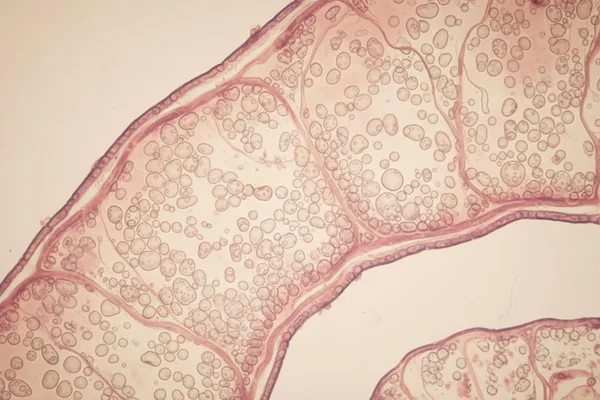
Okay, now what happens to someone with `Medullary Sponge Kidney` is that the collecting ducts that I mentioned develop small cysts, and those ducts swell and get bigger. They look like a sponge. That's why it's called `Sponge Kidney`. This condition usually affects both kidneys, but sometimes it can affect just one kidney.
How does this medullary sponge kidney condition develop?
Now you have a question about what happens when these cysts form. When these cysts form, those fine channels (tubules) cannot work properly. Then, things like calcium start to deposit inside these channels. We call this (nephrocalcinosis). Not only calcium, but other things like phosphate and oxalate can also accumulate in this way. Over time, these accumulated things stick together and form kidney stones .
These cysts and stones also block the flow of urine through the urinary tract, increasing the risk of urinary tract infections (UTIs) .
What is the difference between this and Polycystic Kidney Disease?
You may have heard of Polycystic Kidney Disease (PKD). It is also a disease in which cysts form in the kidneys. So what is the difference between the two?
Polycystic kidney disease (PKD) is a genetic disease that usually runs in families. It causes the kidneys to become enlarged and develop many cysts. PKD can sometimes cause serious complications and lifelong disabilities. Many people with PKD end up with kidney failure and require dialysis to clean their blood.
However, kidney failure is very rare in people with medullary sponge kidney (MSK). That is the main difference.
Who is most affected by this condition? How common is it?
This ``medullary sponge kidney (MSK)'' condition is currently thought to occur randomly. That is, without any specific cause. However, since it appears in some families, there may be some possibility of inheritance. However, a clear genetic pattern has not yet been found for it.
Most people only find out they have the disease after symptoms appear, usually in their 20s. Women are also said to be slightly more at risk than men .
It is very common, with an average of one in 5,000 people having MSK. However, it is much more common in people who have kidney stones. This means that between 12% and 20% of such people may have MSK.
Does the medullary sponge kidney cause hypertension?
Some may wonder if this ``MSK'' causes hypertension or pressure. According to current research, there is no evidence that ``medullary sponge kidney'' causes hypertension.
What causes medullary sponge kidney?
Doctors still don't know exactly why some people develop this condition. It's thought to be caused by a problem with kidney development during the fetal stage, when the baby is still in the womb .
What are the symptoms of this disease?
Surprisingly, many people with Medullary Sponge Kidney (MSK) do not experience any symptoms . This means they live without even knowing they have the disease. Only a small percentage, about 10%, develop symptoms.
If such symptoms occur, they are usually associated with urinary tract infections (UTIs) and kidney stones. These are the main symptoms:
- Blood in the urine (hematuria): This means that the urine may turn red, sometimes the color of tea water.
- Flank pain: Pain that occurs on either side of your back, below your rib cage.
- Pain when urinating (dysuria): There may be burning and pain when urinating.
- Kidney stones: This is something many people have experienced. It can come with severe back pain.
- Urinary tract infections: Symptoms such as frequent urination and fever may occur.
How is medullary sponge kidney diagnosed?
If you have these symptoms, your doctor will first do a physical exam. They will ask about your medical history, family history, and any symptoms you are experiencing.
If your doctor suspects that you have kidney disease, they will likely order several blood and urine tests . These will look at:
- Is there blood in the urine?
- How do the kidneys function?
- Is there a urinary tract infection?
In addition, special imaging tests can be done to check for those cysts I mentioned in the kidneys. The most common types of scans are:
- CT scan: This uses X-rays to produce a three-dimensional (3D) image of the kidneys.
- Intravenous Pyelogram (IVP): This involves injecting a special dye into your vein. Then, several X-ray pictures are taken. The dye is filtered through the blood from the kidneys and into the urine, so the X-ray pictures show the path of urine clearly. This can help find cysts and areas where urine is blocked.
- Ultrasound scan: This uses sound waves to take pictures of the kidneys.
How is medullary sponge kidney treated?
There is currently no specific treatment for the condition known as medullary sponge kidney (MSK). Treatment is mainly aimed at controlling and treating urinary tract infections (UTIs) and kidney stones.
The main treatment for urinary tract infections is antibiotics .
Treatment for kidney stones depends on the size of the stone. Small stones usually pass through urine on their own. Your doctor may tell you to drink more water to help the stone pass more quickly. They may also prescribe painkillers and medications to relax the muscles in your ureters.
Larger stones may require a little more treatment. Here are a few examples:
- Shock Wave Lithotripsy: This is a non-invasive treatment that uses high-energy shock waves to break up kidney stones. The broken pieces are then passed out of the body in the urine.
- Ureteroscopy: This involves using a long, thin tube called a ureteroscope to look into the area where the stone is. This instrument can be used to remove small stones, or a laser can be used to break up larger stones.
- Percutaneous Nephrolithotomy: This is a procedure that doctors use when other methods have failed. It involves making a small incision in the back and using it to crush the kidney stone and remove it. This is also a minimally invasive surgery.
Can medullary sponge kidney be prevented?
Medullary sponge kidney (MSK) is a congenital condition with no known cause, so it cannot be prevented . However, you can take steps to prevent the urinary tract infections (UTIs) and kidney stones that can result from it.
Your doctor may prescribe medications like these:
- Low-dose antibiotics to prevent recurrent urinary tract infections.
- Medications such as potassium citrate or thiazide (also known as water pills) can reduce calcium levels in the urine and prevent the formation of kidney stones.
Changing your diet can also help prevent urinary tract infections and kidney stones:
- Calcium: Getting enough calcium from your diet can help reduce the risk of kidney stones. (Some people may think that taking too much calcium will increase the risk of stones, but this is not the case. You should take it in moderation. Consult your doctor.)
- Fluids: Drinking plenty of water is very important. This dilutes the urine and reduces the risk of stone formation. It also helps flush bacteria out of the kidneys. Try to drink at least 2-3 liters of water a day.
- High protein foods: Limiting high protein foods like meat, fish, and eggs can help prevent kidney stones.
- Salt: Reducing salt in your diet is also very important. Eating too much salt increases the risk of kidney stones. So be careful about the amount of salt you add to your food. Things like canned foods and instant noodles are high in salt.
Important: Always consult your doctor or a dietitian before making any changes to your diet.
What is the future of someone with medullary sponge kidney?
Many people may be scared to hear this, but most people with Medullary Sponge Kidney (MSK) can maintain good kidney function throughout their lives .
However, a small percentage of people, about 10%, may develop kidney failure. The main causes are frequent, recurring urinary tract infections (UTIs) and kidney stones.
Chronic pain is another rare complication that can occur in people who develop kidney stones frequently. This condition can be controlled by taking steps to prevent kidney stones.
Medullary sponge kidney (MSK) can cause low levels of calcium in the blood. This can weaken the bones . This increases the risk of bone-related diseases. For example:
- Osteoporosis (a disease in which bones become thin and brittle)
- Secondary hyperparathyroidism (excessive secretion of hormones by the parathyroid glands)
To prevent this kind of long-term bone damage, your doctor may prescribe medication like potassium citrate.
How to live with medullary sponge kidney?
Your doctor will monitor your kidney function regularly and provide supportive care as needed. It is important to take your medications exactly as prescribed, follow your diet, and keep up with your follow-up appointments . These things can help prevent urinary tract infections and kidney stones.
There is no cure for Medullary Sponge Kidney (MSK). But as I mentioned before, many people with this condition do not have any symptoms, and some do not even know they have it. When symptoms do occur, they are usually caused by a urinary tract infection or kidney stone. Both of these are very treatable . You can also prevent urinary tract infections and kidney stones by making changes to your diet and lifestyle. If you have any questions or concerns, don't hesitate to talk to your doctor .
Take-Home Message
Okay, so I hope you now have a good understanding of the `Medullary Sponge Kidney` that we talked about. Let's remind ourselves of the most important points again:
- This is a congenital condition in which small cysts develop in the middle part of the kidneys (medulla).
- Most people have no symptoms . If they do, it's because of urinary tract infections (UTIs) or kidney stones.
- There is no specific treatment for this, but symptoms and complications can be well treated.
- It is very important to prevent kidney stones and urinary tract infections. To do this, drink plenty of water, be careful about what you eat, and follow your doctor's instructions.
- Most people can maintain good kidney function throughout their lives . Kidney failure is rare.
- If you have any questions about this, definitely see a doctor .
Don't worry, many people can live normal, healthy lives with this condition!
` Medullary Sponge Kidney, Medullary Sponge Kidney, Cacchi-Ricci Disease, Kidney Disease, Kidney Stones, Urinary Tract Infections, Kidney Cysts, Congenital Kidney Disorder, Kidney Cysts, Nephrocalcinosis, Hematuria, Kidney Health Sinhala




💬 Comments (0)
No comments yet. Be the first to share your thoughts here.
Add Your Comment