
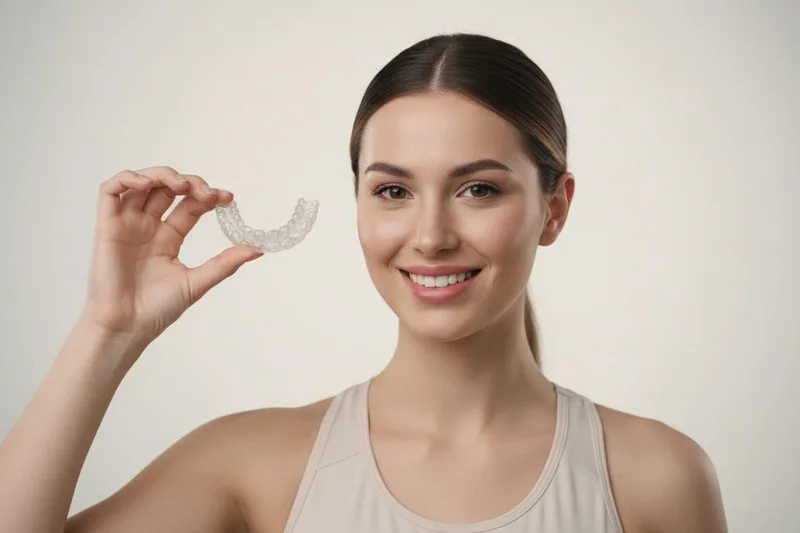
Are you someone who grinds their teeth at night in their sleep? Or does your son or daughter play a sport like rugby or football? Maybe someone you know snores loudly in their sleep. Today we are going to talk about a special device that is used to protect our precious teeth in various situations like this. That is the Mouth Guard that many have heard of.
Simply put, what is a mouth guard?
A mouth guard is a dental appliance that covers and protects your teeth. Just like a cricketer wears gloves, it is used to protect our teeth. Dentists recommend them for various reasons. They are usually used for upper teeth. However, in some special cases, your dentist may also recommend a mouth guard for lower teeth.
Who needs a mouth guard?
See if any of the following situations apply to you. If so, it's time to think about a mouth guard.
- If you grind your teeth at night or clench your teeth during the day (Bruxism): Many people unknowingly grind their teeth in their sleep. This can lead to tooth wear, tooth eruption, and jaw pain.
- If you play contact sports: If you or your child plays sports such as football, basketball, hockey, rugby, or boxing, the chances of your teeth being damaged in an accident are very high.
- If you do activities that involve a high risk of falling: In activities such as gymnastics, cycling, and ice skating, a fall can damage your teeth.
- Snoring: These are also used as a treatment for some snoring conditions.
- If you have Obstructive Sleep Apnea: This is a serious condition in which breathing stops during sleep . A specially designed mouth guard can help keep your airway open by tilting your chin forward.
- If you have TMJ disorder: These can also help control pain and clicking sounds associated with the jaw joint.
What types of mouth guards are there?
There are two main classifications of mouth guards. One is based on the purpose of use, and the other is based on how they are made. Let's take a look at both of these.
Types according to purpose of use
| Mouth Guard Type | Main use and description |
|---|---|
| For Sports | These are used to protect teeth from other accidents while playing sports. This can go a long way in preventing things like broken teeth and loose teeth. |
| For Grinding Teeth | These are sometimes called 'Night Guards' because many people grind their teeth at night. They stop the wear and tear of teeth and also help reduce TMJ pain. |
| Snoring and Sleep Apnea | These are specially designed devices that help keep your lower jaw and tongue slightly forward during sleep, keeping your airway open. These should only be used under medical supervision. |
Types according to the method of preparation
| Mouth Guard Type | Description |
|---|---|
| Store-bought | These are inexpensive. There are two types. One is the stock type, which you can put on as soon as you get it. The other is the boil-and-bite type, which you can put in hot water, put on your teeth, and bite into shape. However, these are not very effective for teeth grinding, sports injuries, or sleep apnea. |
| Custom-made | This is the best and safest method . A dentist takes a dental impression of your teeth and makes them in a lab to fit them, so they are very easy and provide maximum safety. Although they are a little more expensive, they last longer and are more effective. |
How to make a custom-made one?
If you need a custom-made mouth guard, your dentist will take measurements of your teeth using a special paste (dental putty) or a digital scanner. They will then send the measurements to a dental lab to create a custom-fit mouth guard for you. This process can take up to two weeks.
What are the benefits of using a mouth guard?
Remember, a properly fitted mouth guard provides good protection not only for your teeth and gums, but also for your jaw joint.
Benefits of playing:
- Prevents tooth breakage and decay.
- Prevents teeth from falling out in the event of an accident.
- Prevents damage to the soft tissue inside the tooth (tooth pulp).
- Reduces sores on the gums, lips, and inside of the cheeks.
Benefits of using it during sleep:
- Prevents tooth wear and damage due to clenching teeth.
- Helps reduce snoring.
- Reduces TMJ symptoms such as jaw pain, headaches, and facial pain.
- It helps control complications such as sleep apnea and the high blood pressure that results from it, as well as excessive daytime sleepiness.
How do you keep this clean? And how long will it last?
Since a mouth guard is placed in the mouth, it can harbor bacteria, so it is very important to keep it clean.
- Before putting on the mouth guard, brush your teeth thoroughly .
- When you're done using it, wash it in cold water and scrub it with a brush dipped in a little soap . Then let it dry.
- Never put it in hot water, as this may cause it to change shape.
- When not in use, store it in a vented case .
- Keep away from pets like dogs and cats.
A custom-made mouth guard can last for several years if properly cared for. However, a store-bought one will need to be replaced several times a year. Don't forget to bring your mouth guard with you when you go to your dentist for a check-up. Then you can check its condition.
When should you see a dentist?
If you play contact sports, ask your dentist about a mouth guard. Additionally, if you have any of these symptoms, be sure to see a dentist or your family doctor.
- If you see that your teeth are wearing away due to grinding your teeth.
- If you have TMJ symptoms such as jaw pain, persistent headaches, or facial pain.
- If you have symptoms of sleep apnea, such as excessive daytime sleepiness and waking up gasping for breath.
Can it be used with braces or dental implants?
Yes. A mouth guard protects your teeth, as well as braces, dental implants, and crowns and bridges from damage. A custom-made mouth guard is best for these situations.
Take-Home Message
- A mouth guard can help prevent damage to your teeth from sports accidents and clenching your teeth.
- Mouth guards can also be helpful for snoring and sleep apnea, but you should definitely seek medical advice.
- A custom-made mouth guard made by a dentist to fit your teeth is more comfortable, safe, and effective than one purchased from a store.
- Always keep your mouth guard clean. Take it with you when you go for dental checkups.
- If you have tooth decay, jaw pain, or symptoms of Sleep Apnea, see your dentist or doctor without delay for advice.


💬 Comments (0)
No comments yet. Be the first to share your thoughts here.
Add Your Comment