
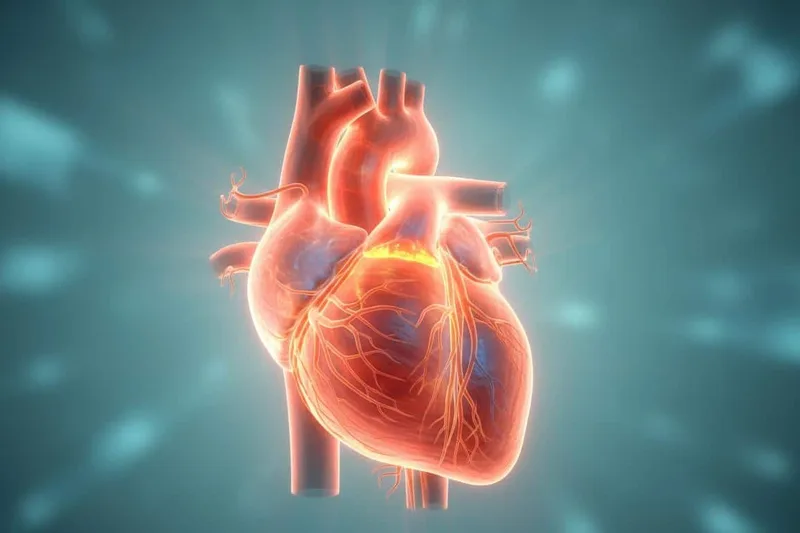
Do you sometimes feel a strange, nauseous feeling in your chest? It's like it's hard to breathe, like your chest is tightening? Maybe you don't pay much attention to it, thinking, "This is a small thing." But sometimes these symptoms can be caused by a problem with our heart, because the heart is not getting enough blood. That's how we are going to talk about a condition today when the heart doesn't get enough blood, and therefore the oxygen and nutrition it needs are reduced. This is called `Myocardial Ischemia` in medical terms.
What is this reduced blood supply to the heart muscle (`Myocardial Ischemia`)?
Simply put, myocardial ischemia means that the heart muscle (the heart muscle) is not getting enough blood to function properly. Our heart is like a pump, constantly pumping blood throughout the body. So the heart needs plenty of oxygen and nutrients to do its job. The heart gets these from a special blood vessel system that supplies blood to the heart. We call these the coronary arteries .
Imagine, if the amount of blood flowing through these coronary arteries decreases for some reason, the amount of oxygen needed by the heart does not suffice. Just like if the water pipe to a flower gets clogged, the flower will wilt. If this lack of blood becomes severe, or if it lasts for more than a few minutes, the heart muscle begins to be damaged. That is when we call it a heart attack (`Myocardial Infarction` or `Heart Attack`) .
Most importantly: A heart attack is a medical emergency . If you suspect that you have one, the best thing to do is to call 1990 and get an ambulance right away , rather than wasting time and having someone drive you to the hospital. The medical staff on the ambulance can begin providing the necessary first aid on arrival.
Who is most affected by this condition `Myocardial Ischemia`?
Now let's see who is most at risk of this reduced blood supply to the heart muscle. There are some people, right? Even when they are a little tired, they hold their chest and say, "Oh, my chest hurts." People like that need to be especially careful about this condition. This condition is usually seen in:
- For people with high blood pressure . That is, if the pressure of blood flowing inside the blood vessels is constantly high, it puts a lot of strain on the heart. Over time, this can damage the blood vessels.
- For those with high cholesterol levels in the blood. This cholesterol is what deposits on the walls of the blood vessels, gradually narrowing them.
- For those with diabetes (`Diabetes Mellitus`) . Diabetes is like a silent enemy, it can damage the arteries of the heart and blood vessels throughout the body.
- If someone in the family, i.e. mother, father, siblings, has had cardiovascular disease (`Cardiovascular Disease`) . It is important to be aware of the family history of diseases as these things can sometimes be passed down through generations.
- For those who have a history of using tobacco products (cigarettes, beedis, cigars, etc.) Smoking is one of the biggest enemies of the heart. It directly damages the blood vessels.
How common is `Myocardial Ischemia`?
To put it simply, in a country like America alone, more than a million people die from heart disease every year. The main reason for this is the lack of blood and oxygen flow to the heart muscle, a condition called `Myocardial Ischemia`. Heart disease has become common in Sri Lanka as well.
How does `Myocardial Ischemia` affect your body?
How does this condition affect your body? When you have `Myocardial Ischemia`, exercising or doing any strenuous activity, especially in cold weather, can be very difficult. This is because the heart has to work harder and needs more oxygen. But because the blood supply is poor, it doesn't get enough of it.
As your condition gradually worsens, symptoms of `Myocardial Ischemia` may occur even when doing very little work, perhaps just walking around the house. Over time, even climbing a flight of stairs may become a big deal. Eventually, these symptoms may occur even when you are just standing or at rest.
What are the symptoms of `Myocardial Ischemia`?
The main and most common symptom of this is chest pain called angina (or angina pectoris) . But this does not feel the same for everyone. For some, it may feel like a full stomach, or like heartburn. This means:
- Chest discomfort, nausea .
- Feeling like your chest is heavy.
- It feels like your chest is being squeezed, like someone is squeezing it.
- Feeling pressure in the chest.
- Ache, pain.
- A burning sensation in the chest.
- My chest feels numb.
- A feeling of fullness in the chest, as if something is stuck.
There are two types of angina:
- Stable Angina: This usually occurs when you are stressed or exercising. It usually goes away quickly when you rest or take medication prescribed by your doctor (e.g., nitroglycerin).
- Unstable Angina: This is a bit dangerous. It can come on at any time, even when you are just standing or sleeping. It may not go away even with medication. It can be a sign of a heart attack.
Apart from this, other symptoms of `Myocardial Ischemia` may also include:
- Pain or discomfort in your upper body, meaning your arms (especially your left arm), left shoulder, back, neck, jaw, or upper abdomen.
- Difficulty breathing, feeling like you're suffocating.
- Sweating, especially "cold sweats."
- Feeling full, as if food is not digesting, or as if something is stuck in the throat (may feel like a burning sensation in the chest).
- Nausea or vomiting.
- Dizziness , a feeling of lightheadedness, weakness, and anxiety.
- Feeling like your heart is beating fast or irregularly.
Very important: If you have angina pain or any of these symptoms for more than five minutes , don't forget to call 1990 immediately and seek medical advice .
Sometimes, this `ischemia` condition, or heart attack, can occur without any symptoms. This is called `Silent Myocardial Ischemia` . Although it is more common in people with diabetes, it can happen to anyone with heart disease.
What are the causes of `Myocardial Ischemia`?
Often, a person may have more than one cause of this `Myocardial Ischemia` condition. The main causes are:
- Coronary Artery Disease (CAD). This is the main and most common cause. Fatty deposits (Plaque) and cholesterol build up in the coronary arteries that supply blood to our heart, and the arteries gradually narrow. It's like rust building up in an old water pipe. Then the oxygen-rich blood that the heart needs cannot flow properly, and the heart muscle doesn't get enough oxygen. This is what causes Ischemia and angina. This fatty deposit called Atherosclerotic Plaque is responsible for 70% of fatal heart attacks.
- A blood clot (`Blood Clot`). If a piece of fatty material (`Plaque`) that has accumulated in the narrowed coronary arteries suddenly breaks off, a blood clot can form there. If this blood clot gets stuck in an already narrowed coronary artery, the blood flow can be completely blocked. This is also called `Thrombosis` . This is the main cause of a heart attack.
- Coronary Artery Spasm. This is when the coronary arteries suddenly and severely constrict. This temporarily reduces or stops blood flow to the heart. This can happen to people who smoke or use drugs like cocaine.
- Cocaine use: Cocaine is very harmful to the heart.
- Coronary Artery Dissection. This is a very rare condition. In this case, the wall of the coronary artery tears, allowing blood to leak through it and block the artery.
This condition of `ischemia` is most likely to occur when your heart needs more oxygen and nutrients than it is getting. That is, when your body's demand for blood increases and your heart can't keep up. Here are some times when your body needs more blood:
- When being active/exercising.
- When eating (especially a heavy meal).
- When you are excited and nervous.
- When you are under stress.
- When in a cold environment.
How is `Myocardial Ischemia` diagnosed?
In addition to asking about your symptoms, family medical history, and performing a physical exam, your doctor may also order tests such as these to confirm the condition and understand its severity:
- Electrocardiogram (EKG or ECG): As we all know, an ECG. This measures the electrical activity of the heart and can give an idea of whether there is a condition called `ischemia` or a heart attack.
- Echocardiogram: This is like an ultrasound scan of the heart. It can look at the chambers of the heart, the valves, the function of the heart muscle, and how it pumps blood.
- Holter Monitor: This is a small device that is worn on your body for a day or two and continuously records your heart activity (ECG). This is useful because sometimes symptoms come and go.
- Exercise Stress Test: This involves running on a treadmill or walking briskly, while your ECG and blood pressure are monitored. This is done to see if your heart is getting less blood flow when you are stressed.
- Coronary Angiogram: This is the best way to see if there are any blockages in your coronary arteries. This involves inserting a small tube through your leg or arm, threading it into the coronary arteries of your heart, injecting a dye (a type of dye) into them, and taking an X-ray to see how narrow the arteries are and where they are blocked.
- Chest X-ray: This can check things like the size of the heart and the condition of the lungs.
- Magnetic resonance imaging of the heart (`Heart MRI` or `Cardiac MRI`): This can provide very detailed information about the structure and function of the heart.
The doctor may also do blood tests to check for:
- To see if there are certain proteins and enzymes (e.g., Troponin) that are released into the blood only when the heart muscle is damaged. If these levels are elevated, it is a sign of a heart attack.
- Other things can cause ischemia, for example, blood sugar levels and kidney function.
- Blood cholesterol levels (good cholesterol `HDL`, bad cholesterol `LDL`, `Triglycerides`).
What are the treatments for `Myocardial Ischemia`?
Myocardial Ischemia can be treated with medications or medical procedures that improve blood flow to your heart muscle. The treatment you receive will depend on the cause of the problem, how severe your condition is, and your overall health. Your doctor will discuss the best treatment for you with you.
The main goals of treatment are:
- Reducing symptoms (especially angina pain).
- Reducing the risk of having a heart attack.
- Restoring heart function.
Drugs and treatments used
- To quickly relieve angina pain, place nitroglycerin tablets or spray under your tongue.
- Beta-blockers: These slow down the heart rate, lower blood pressure, and reduce the workload on the heart.
- Calcium Channel Blockers: These slightly widen the coronary arteries, making blood flow easier.
- Aspirin and other antiplatelet drugs: For example, Clopidogrel . These reduce the formation of blood clots.
- Cholesterol-lowering drugs (Statins): These reduce the level of bad cholesterol in the blood and stop the deposition of fat inside the arteries.
- ACE inhibitors or ARBs: These help control blood pressure and protect the heart.
- Thrombolytics (or clot-busting drugs): These are medications given within the first few hours of a heart attack. They work by dissolving the blood clot and restoring normal blood flow.
- Angioplasty and stent placement: This can be done at the same time as a coronary angiogram. A small balloon is inserted into the blocked coronary artery and inflated, widening the narrowed area. A small mesh-like device (a stent) is then placed in the area to prevent the narrowed area from narrowing again.
- Coronary Artery Bypass Graft (CABG): This is a major surgery. It involves creating a new blood vessel around the blocked artery, using a piece of vein taken from another part of the body (e.g., the leg, chest) or an artificial vein. This surgery is done if more than one artery is blocked, or if the blockage is too large to be treated with angioplasty.
Complications of treatment
The following complications may occur, especially after Coronary Artery Bypass Graft surgery:
- Infection at the surgical site.
- Bleeding.
- Temporary decrease in kidney function (Kidney Dysfunction).
- Stroke.
- A heart attack.
- Irregular heartbeat (`Arrhythmia`).
Very rarely, some of these complications can occur after angioplasty or stent placement. However, the benefits of these treatments far outweigh the risks.
How long does it take to recover from treatment?
After a coronary artery bypass graft, you will need to stay in the hospital for about one to ten weeks. After that, it can take about 6 to 12 weeks to fully recover after returning home.
After an angioplasty or stent placement, you will likely be able to go home after a day or two in the hospital. You should be able to return to normal activities within a week or two.
How to reduce the risk of `Myocardial Ischemia`?
Your doctor may recommend medications or lifestyle changes to reduce your risk of myocardial ischemia. It is important to follow these instructions carefully.
Reducing risk with medication
- Taking a daily baby aspirin (or the dose your doctor prescribes) to prevent a heart attack.
- Beta-blockers.
- Cholesterol-lowering drugs (`Cholesterol-lowering drugs` - Statins).
- ACE inhibitors.
Lifestyle changes
It is very important to make these lifestyle changes. They can be even more powerful than medication:
- If you have diabetes , get proper treatment and control your blood sugar levels.
- If you have high blood pressure , get it treated and control your blood pressure.
- If you have high cholesterol , get it treated and control your cholesterol levels.
- Exercise. Get at least 30 minutes of moderate exercise a day, most days. Things like walking, cycling, and swimming are good.
- Eat a healthy diet. Reduce foods high in oil, salt, and sugar, and eat more fruits, vegetables, legumes, whole grains, and fiber-rich foods. For us in Sri Lanka, it is best to eat rice with good vegetables, legumes, and fish, prepared with less oil.
- If you use tobacco products (such as cigarettes, beedis), stop using them immediately. Ask your doctor for help with this.
- Maintain a healthy weight. It is important to maintain a weight that is appropriate for your height.
- Reduce stress. You can manage stress through things like meditation, yoga, and hobbies.
What can someone with `Myocardial Ischemia` expect?
People with unstable angina are generally at increased risk of having a heart attack within the next three months. A significant number of people who have a heart attack die within the first few hours. That is why seeking medical advice and emergency treatment as soon as symptoms appear is life-saving.
However, most people who get treatment quickly and get through the first few days after a heart attack make a full recovery. However, some people can develop complications after a heart attack. Therefore, it is very important to follow medical advice and make lifestyle changes.
How long does `Myocardial Ischemia` last?
Angina pain caused by `Myocardial Ischemia` usually lasts for 10 minutes or less, especially if it is `Stable Angina`. `Unstable Angina` can last longer, and is an emergency.
How do I take care of myself?
Exercise is important for improving your cardiovascular health. It gets more oxygen to your heart muscle, which can help with symptoms. Doctors recommend exercising for 30 to 60 minutes a day, five or more days a week.
Other ways to stay healthy are:
- Take all medications prescribed by your doctor on time, exactly as prescribed. Don't miss a single day.
- Eat a healthy diet.
- Maintain a healthy weight.
- Stay away from tobacco products completely.
- Be sure to go to the doctor on the scheduled dates.
When should I see the doctor?
If you are not getting better with the prescribed medications, or if the side effects are severe, see your doctor. If you have had an angioplasty and stent, or a coronary artery bypass graft, you will likely need to see your doctor about every six months for the first year. You will need to go for follow-up visits at regular intervals thereafter.
When should I go to the emergency room (ER)?
- If you think you are having a heart attack (symptoms such as severe chest pain, shortness of breath, sweating), call 1990 immediately and, if possible, chew an aspirin tablet (300mg) . If you have a blood clot in one of your coronary arteries, aspirin can help to control its growth.
- Also, if you still have angina pain after taking three doses of nitroglycerin (one every five minutes) , you should go to an emergency room immediately.
What questions should I ask my doctor?
When you see the doctor, you can ask questions like these:
- How long after I start exercising should I see you? What kind of exercise is right for me?
- Will I have to take the medication you prescribed for the rest of my life? What are the side effects of this medication?
- What is my personal risk of having a heart attack?
- What changes should I make to my diet?
- When should I start going back to work?
Is `Myocardial Ischemia` the same as `Angina`?
No. Angina is a very common symptom of a condition called Myocardial Ischemia. Myocardial Ischemia is the cause (lack of blood flow to the heart), and Angina is a symptom of it.
Is `Myocardial Ischemia` a `Stroke`?
No. Myocardial Ischemia is a condition where the blood supply to your heart muscle is reduced. Stroke is caused by a decrease in blood supply to your brain or a burst blood vessel in the brain. Although both are blood vessel problems, the organ affected is different.
How long can you live with `Myocardial Ischemia`?
It depends on a number of things, for example:
- Whether or not you will have a heart attack.
- How quickly you get diagnosed and treated.
- How well you follow your doctor's advice on lifestyle changes.
- How well you manage the factors that cause myocardial ischemia (most often atherosclerosis, diabetes, high blood pressure).
Finally, things to remember (Take-Home Message)
Okay, so chest pain caused by `Myocardial Ischemia` is something to be concerned about. But, there is no need to panic. Once you get a proper diagnosis and a proper treatment plan, you will feel relieved. Following your doctor's instructions, taking the prescribed medication, and making the necessary lifestyle changes are the best way to improve your heart health.
Also, even if you don't want to think about it, it's important to be aware of the warning signs of a heart attack. Having a plan in place to act quickly and not panic if something happens can go a long way in helping you or your loved one. Your heart is yours, take care of it!
` Myocardial Ischemia, heart attack, angina, chest pain, heart disease, coronary artery disease, heart health


💬 Comments (0)
No comments yet. Be the first to share your thoughts here.
Add Your Comment