
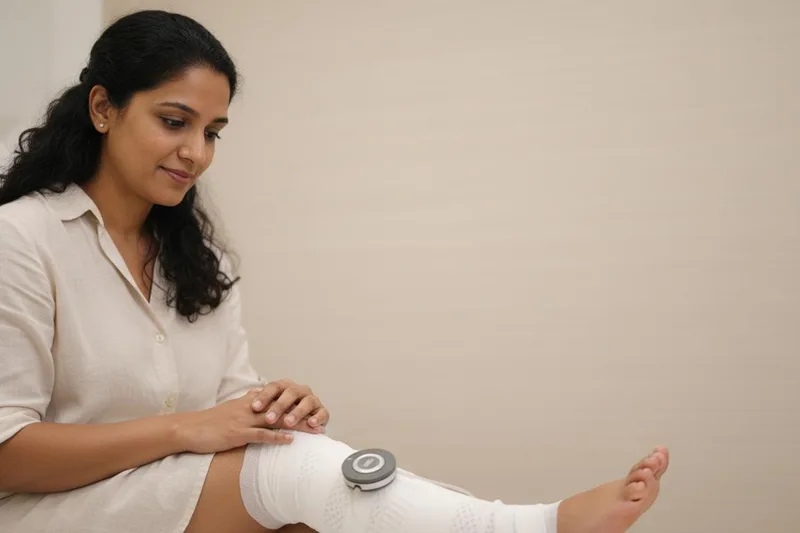
Sometimes, wounds we get, especially after surgery, wounds on our legs due to diabetes, or wounds from major accidents, take a while to heal, don't they? Some wounds continue to ooze fluid, swell, and feel like they won't heal even after being cleaned. So today we're talking about a very effective and modern treatment method that can help these difficult-to-heal, complex wounds heal quickly.
What is this 'Negative Pressure Wound Therapy'?
Simply put, this is a method of placing a small machine over a wound and 'sucking' out unwanted fluid, pus, and bacteria from the wound. It's like using a small vacuum cleaner to suck out dirt. This is sometimes called 'vacuum-assisted therapy'.
This method works like this:
- By removing harmful fluids that constantly leak from the wound , swelling (edema) is reduced.
- A moist, clean environment is created inside the wound, which speeds up the growth of healthy new tissue.
- Blood flow to the wound is good, which means it gets the oxygen and nutrients needed to grow new tissue.
- As the wound is pulled, the two sides of the wound come closer together, causing the wound to shrink and close quickly.
This treatment is widely used by doctors around the world and has very successful results.
How is this treatment done?
The way this is done is very systematic. Your doctor or trained nursing staff will follow these steps:
1. Cleaning the wound: First, the wound and the surrounding area are thoroughly cleaned. If there is any dead tissue or infected parts of the wound, they are removed with special instruments in the operating room.
2. Placing a foam: Next, a special foam-like sponge cut to size is placed over or into the wound.
3. Airtight sealing: The foam is completely covered with a transparent plastic-like film so that no air can enter, sealing it well.
4. Installing a tube: A small tube (suction tube) is installed on top of the film.
5. Connecting to the machine: Finally, the tube is connected to a small machine. When this machine is turned on, it creates a 'negative pressure', that is, a vacuum pressure, inside the wound. Then, the unwanted fluid and pus in the wound come down the tube and collect in a canister connected to the machine.
This machine can be battery-powered or electric. Also, the doctor can adjust the required pressure level. An alarm will sound if the battery runs low or the pressure stops. Sometimes, saline or antibiotics can also be injected into the wound through this method.
What types of injuries is this treatment suitable for?
This is not used for every wound. These are some of the situations in which a doctor may recommend this treatment.
| When to use the treatment | Examples |
|---|---|
| Complex or non-healing wounds | Diabetic foot ulcers, pressure ulcers in bedridden patients. |
| Traumatic injuries | Wounds where the skin and flesh have been torn open by major accidents. |
| Injuries after surgery | Especially surgical wounds that are at risk of infection, cannot be closed, or wounds where the stitches have broken and reopened. |
| Burns | To help with the healing process of some severe burns. |
But remember, this treatment is usually not suitable for cancerous wounds, wounds with a lot of dead tissue, and wounds that expose internal organs or large blood vessels . The final decision on this is made by your doctor.
What are the advantages and possible disadvantages of this treatment?
As with any treatment, there are benefits and a few things to be aware of.
| Main Benefits | Things to be aware of (Possible Side Effects) |
|---|---|
| Wound healing quickly. | Bleeding (rarely). |
| Reduction of swelling and pain. | Pain (when changing the dressing). |
| Reduced risk of wound infection. | Infection of the wound (if cleanliness is not taken care of). |
| No need to change the dressing frequently (usually every 2-3 days). | The foam used sticks to the wound. |
| Reduced time spent in the hospital. | Allergic reaction to the materials used. |
| Because the machine is small, it is easy for the patient to move around. | Machine malfunctions (battery low, tube stuck). |
If you are receiving this treatment at home, when should you immediately tell the doctor?
Sometimes your doctor may send you home with this machine. If that happens, you and your family should be very careful about these things. If you notice any of the following, you should call your doctor or the clinic where you are being treated without delay.
- If the wound starts to bleed.
- If you develop a fever or the wound shows signs of infection, such as redness, swelling, and increased pain.
- If you feel like the seal around the wound is coming off .
- If the sound coming from the machine has changed .
- If the machine's battery is low, the alarm goes off.
- If the pipe connected to the machine appears to be clogged .
- If the machine suddenly stops working.
Also, follow your doctor's instructions exactly. Don't let your dressing get wet during your bath, but sponge bathe instead. Take the prescribed painkillers and antibiotics exactly as prescribed.
Take-Home Message
- Negative Pressure Wound Therapy is a highly effective treatment that uses a vacuum method to help heal difficult-to-heal, complex wounds quickly.
- This reduces wound swelling, controls infection, and helps new healthy tissue grow.
- This treatment can be done in the hospital, and sometimes at home under the supervision of a doctor.
- If you notice anything unusual during treatment (bleeding, fever, changes in the machine), it is essential to notify your doctor immediately .
- Only your doctor can decide whether this treatment is right for you, so if you want to know more about this, talk to your doctor.




💬 Comments (0)
No comments yet. Be the first to share your thoughts here.
Add Your Comment