
Do you often get sick? Or has a doctor ever looked at your blood test and said, "Your white blood cells are a little low?" Maybe you have a fever, feel a little weak, but you can't figure out why. At times like these, it can be very important for you to be aware of this condition called neutropenia, which we are talking about today. Don't worry, let's explain it simply.
What is neutropenia? It's very simple!
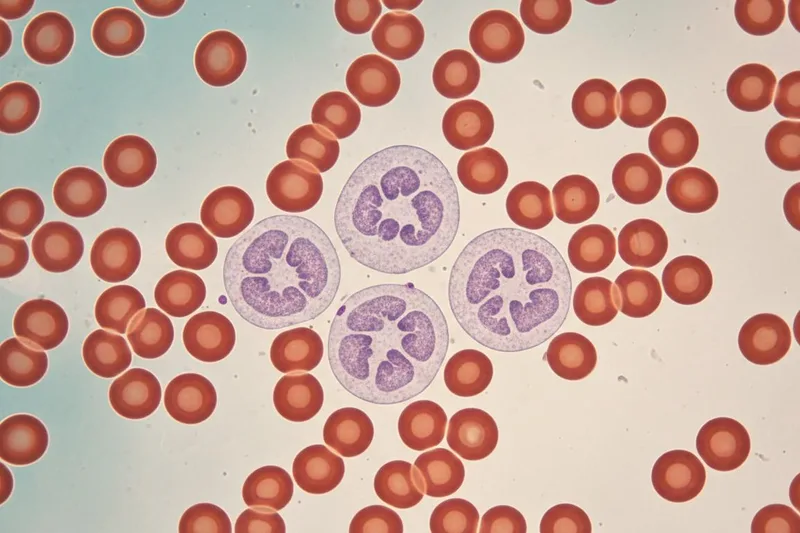
Simply put, neutropenia is a condition where your blood has a lower than normal number of a type of white blood cell called neutrophils. Think of these neutrophils as specially trained police officers inside our bodies. They are the ones who fight off germs, such as bacteria and viruses, that enter our bodies and protect us from disease.
These soldiers called neutrophils are made mainly in a factory inside our bone marrow. So, when the number of these neutrophils decreases, our body's ability to fight germs also decreases. That means the chances of developing infections increase significantly. In some severe cases, even bacteria that normally don't cause much trouble to a healthy person, such as those in our mouths or intestines, can cause serious illness. Do you understand?
What should the normal level of neutrophils be?
Neutropenia is classified according to the number of neutrophils in a blood sample. It is generally accepted that an adult should have at least 1,500 neutrophils per microliter of blood. (Some consider this limit to be 1,800). Here's how it breaks down:
- Mild neutropenia: Between 1,000 – 1,500 neutrophils.
- Moderate neutropenia: Between 500 – 1,000 neutrophils.
- Severe neutropenia: Less than 500 neutrophils.
This condition can be temporary (acute) or long-term (chronic). It can also be congenital or acquired.
Who is more likely to develop neutropenia?
Neutropenia can sometimes be caused by infections. However, it is most often seen as a side effect of cancer treatments, especially chemotherapy. Researchers say that up to 50% of people receiving chemotherapy may develop neutropenia.
There is another type called `Benign Ethnic Neutropenia (BEN).` This is a congenital, long-term condition. It is most common in people of African, Middle Eastern, and West Indian descent. These people have a neutrophil count of less than 1,500, but they are not at high risk of developing infections.
How does neutropenia affect my body?
The effects of neutropenia vary depending on your neutrophil count. A person with mild neutropenia may not have any symptoms. It is often discovered incidentally during a blood test for another condition. However, if you have moderate to severe neutropenia, you are at a much higher risk of developing infections. Severe neutropenia can be life-threatening if not treated properly. This is why it is important to be aware of this condition.
Why does neutropenia occur? What are the causes?
Neutropenia can be caused by three main factors:
1. Your bone marrow is not making enough neutrophils.
2. The rapid breakdown (destruction) of neutrophils that are produced.
3. Or, to destroy the neutrophils that have formed.
Here are some of the reasons why:
- Genetic conditions: Sometimes this condition can be passed down from parents to children through genes. Benign Ethnic Neutropenia (BEN), Cyclic neutropenia, and Severe congenital neutropenia are some of the types that are caused by such genetic causes.
- Infections: Neutropenia can also be caused by viral, bacterial, and parasitic infections. Examples include HIV, hepatitis, tuberculosis, sepsis (a severe infection of the blood), and Lyme disease.
- Cancer: Cancers such as leukemia, lymphoma, and other diseases involving the blood or bone marrow can cause the body to be unable to produce the healthy white blood cells it needs, resulting in neutropenia.
- Medications: Treatments for cancer, such as chemotherapy and radiation therapy, can damage neutrophils and the bone marrow that produces them. Also, some medications for other non-cancer conditions can lower neutrophil levels as a side effect.
- Nutritional deficiencies: Neutropenia can occur if the body does not get enough vitamins and minerals, such as vitamin B12, folate, or copper.
- Autoimmune deficiencies: This is when our own immune system misunderstands our own immune system and makes antibodies that destroy healthy neutrophils. It's like our own army attacking itself. Crohn's disease, lupus, and rheumatoid arthritis are some of these conditions.
Sometimes there is a condition called `Chronic idiopathic neutropenia`. That is, there is neutropenia, but the exact cause cannot be found .
Why does cancer treatment cause neutropenia?
Cancer treatments like chemotherapy are very powerful drugs. They kill cancer cells. However, they can also damage healthy cells that divide rapidly. Our neutrophils and the bone marrow cells that make them are also rapidly dividing cells. That is why neutropenia is common during chemotherapy. Neutrophil levels usually drop the most within the first two weeks of treatment. After that, they gradually increase again.
It is extremely important to take extra steps to protect yourself from infections during this time, as this is a time when the body's defenses are most weakened.
What are the symptoms of neutropenia?
Neutropenia itself does not have any specific symptoms. However, if you get infections due to neutropenia, you may experience symptoms of those infections. Frequent infections can also be a sign of neutropenia. Here are some of the symptoms:
- Fever (especially a condition called febrile neutropenia)
- Fatigue
- Sore throat (Pharyngitis)
- Swollen lymph nodes
- Ulcers in the mouth or around the anus
- Pain, swelling, and redness at the site of infection
- Indigestion, diarrhea
- Urinary symptoms, such as burning when urinating and frequent urination
If you have mild neutropenia, you may have enough neutrophils in your body to fight infections. In that case, you may not experience any symptoms.
How is neutropenia diagnosed?
The main and simplest test to diagnose this is a complete blood count (CBC) with differential . If you are undergoing treatment such as chemotherapy, your doctor will regularly perform this test to monitor your neutrophil levels.
If your doctor isn't sure what's causing your neutropenia, he or she may order more tests. For example, a sample of your bone marrow may be taken and examined under a microscope. This test can determine whether neutrophils are being produced properly in your bone marrow, or whether they are being destroyed after they are produced. This information can help your doctor confirm the diagnosis.
What are the treatments for neutropenia?
Some types of neutropenia may not require treatment. Other treatment options depend on the cause of your low neutrophil levels.
The following can be done as treatment:
- Antibiotics: If you have febrile neutropenia with a fever, antibiotics can be life-saving. You will often be admitted to the hospital and given antibiotics, such as saline, intravenously. During this time, tests will be done to find the cause of the infection.
- Corticosteroids: If you have neutropenia caused by an autoimmune condition, your doctor may prescribe a medication called corticosteroids. These medications reduce the activity of your immune system, which destroys your neutrophils.
- Granulocyte colony-stimulating factor (G-CSF): Your doctor may also prescribe medications that stimulate your bone marrow to produce white blood cells. If you are receiving chemotherapy, you may be given this G-CSF injection.
If it is determined that neutropenia is caused by a medication you are taking, your doctor will either tell you to stop taking that medication or change the dosage.
Can neutropenia be prevented?
We cannot prevent congenital forms of neutropenia. However, if you are undergoing chemotherapy, if your doctor suspects that your neutrophil levels are low, he or she may delay the next round of chemotherapy or reduce the dose. They may also recommend a G-CSF injection to increase white blood cell production.
How can I protect myself from infections if I have neutropenia?
If you know that your neutrophils are low, there are many steps you can take to protect yourself from infections. These are very important things to keep in mind.
- Wash your hands regularly with soap or use an alcohol-based hand sanitizer.
- Get all vaccines on time, including flu and COVID-19.
- Stay away from people who are sick and from crowded places where you might encounter someone who is sick.
- Be careful of scratches, cuts, and wounds (including tattoos and body piercings). Treat any skin damage immediately.
- Wash fruits and vegetables thoroughly, separate meat and fish from other foods, and prepare food in a clean kitchen, cooking it properly. This way, you can prevent the spread of germs.
- Do not share eating utensils, cups, or food and drink with others.
- Do not share items like towels, razors, and toothbrushes with others.
- If you are working in the garden, wear gloves.
- Avoid removing pet waste and changing newborn diapers as much as possible (if you must, wear gloves and wash your hands thoroughly after you're done).
- Avoid using lakes, ponds, rivers, and hot tubs.
- Use the medications exactly as prescribed by your doctor to prevent infections.
Many of these tips are things we usually do to stay healthy. However, if you have neutropenia, you need to be extra careful. Ask your doctor what else you can do to protect yourself from infections, depending on your lifestyle and health condition.
What is the prognosis for people with neutropenia? (Prognosis)
Neutropenia can be treated, so the outlook for most people is good. The most important thing is to prevent infections and seek treatment promptly (if you do get sick).
When should I see a doctor?
If you are receiving chemotherapy or have another condition that can cause neutropenia, see a doctor immediately if you experience any of these symptoms, or call your doctor immediately for advice on what to do:
- A fever of 100.4 degrees Fahrenheit (38 degrees Celsius) or higher.
- Sweating or shivering from cold.
- Difficulty breathing.
- Nasal congestion.
- Sore throat or neck stiffness.
- A new cough or worsening of an existing cough.
- Diarrhea and/or vomiting.
- Vaginal discharge or itching.
- Pain, redness, or swelling anywhere on the body.
- Change in urination (pain, burning, frequent need to urinate).
- New onset of pain, especially in the stomach or rectum.
- Feeling confused or mentally different than usual.
- Feeling excessively tired or unwell.
How you experience neutropenia depends on what caused your neutrophil levels to drop. If your levels are low due to a recent infection, they will likely return to normal as your body heals. If your neutropenia is caused by a long-term illness or chemotherapy, your doctor will monitor your neutrophil levels regularly to prevent complications from infections. Ask your doctor if your neutropenia requires regular medical tests and medications to prevent infections.
Finally, things to remember (Take-Home Message)
Neutropenia is a condition in which the body's white blood cells, called neutrophils, are low. This increases the risk of infection. This condition is especially common in people undergoing cancer treatments such as chemotherapy.
It's nothing to worry about, there are treatments for this. The most important thing is:
- Follow your doctor's instructions exactly.
- Taking every possible step to protect yourself from infection.
- If you notice any signs of infection, such as a fever , seek medical advice immediately.
If you are aware of this and take precautions, you can stay healthy even with neutropenia. Never hesitate to talk to your doctor about any questions or concerns you may have.
` Neutropenia, neutrophils, white blood cells, immunity, infections, cancer, chemotherapy


💬 Comments (0)
No comments yet. Be the first to share your thoughts here.
Add Your Comment