
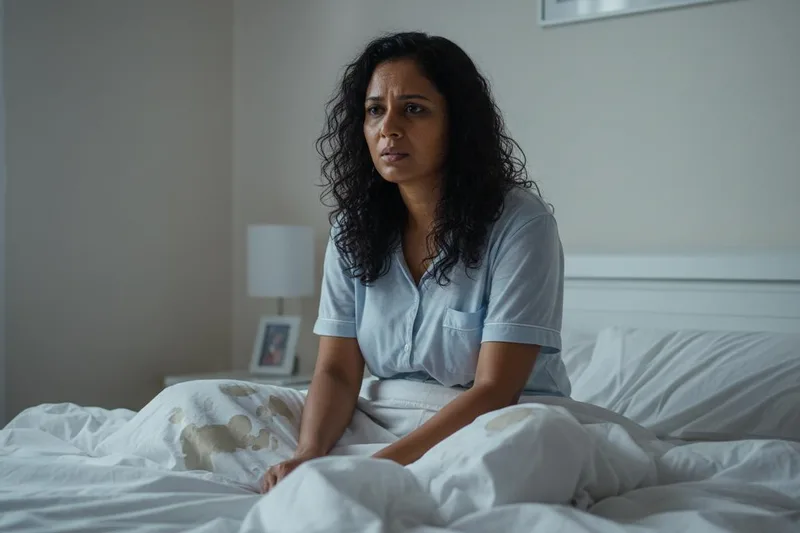
Have you ever woken up in the middle of the night sweating all over your body, soaking not only your clothes but also your bed sheets? When that happens, you feel a little scared, wondering, "Why is this happening to me?" Sweating is a normal part of our body when we feel hot. It's a natural way to regulate our body temperature. But what we're talking about here is night sweats, or night sweats , which are a different and more uncomfortable experience.
Simply put, Night Sweats are excessive sweating that can disrupt your sleep and soak your clothes and bedding. This is when you suddenly feel a surge of heat coming from within. You start sweating profusely, your skin turns red, and your heart rate increases. You may wake up drenched in a cold sweat. This condition is common among women, especially during menopause, but it can have many other causes.
What are the main reasons why women get Night Sweats?
Although anyone can experience night sweats, it is most commonly seen in women. The main reason for this is the hormonal changes that occur in women's bodies. In particular, changes in the levels of reproductive hormones such as estrogen and progesterone directly affect the body's temperature control. This can cause a sudden feeling of heat (hot flashes) and excessive sweating.
Perimenopause and Menopause
Night sweats are a common symptom experienced by many women before and during menopause. Menopause is the cessation of menstruation for 12 consecutive months. This usually occurs around the age of 51. The years leading up to this, when menstruation becomes irregular, are called perimenopause. During this time, between the ages of 40 and 50, the ovaries begin to produce less estrogen.
Think about it, the hypothalamus in our brain is like a thermostat in our body. When hormone levels change, this thermostat goes a little out of whack. That's why we suddenly feel hot in our face, neck, and chest. At that moment, our body thinks, "Oh, it's hot, we need to cool down quickly." In response, we start sweating profusely.
Premenstrual syndrome (PMS/PMDD)
Night sweats can also be caused by hormonal changes that occur during your monthly menstrual cycle. Estrogen levels drop a few days before your period. During this time, we may experience mood swings, PMS symptoms like cramps, and some people may also experience night sweats.
Pregnancy
Night sweats can also be caused by hormonal changes during pregnancy. This condition is especially common in the first trimester (first 14 weeks) and the third trimester (from 27 weeks until delivery). This sweating may continue for a few weeks after the baby is born, until hormones return to normal.
Other causes of night sweats besides hormonal changes
No, hormones are not the only cause of Night Sweats. It can be a symptom of various medical conditions and a side effect of certain medications. Let's learn about some other such causes in the table below.
| Reason category | Examples and descriptions |
|---|---|
| Infections | Serious infections such as tuberculosis and HIV. Bacterial infections such as endocarditis and osteomyelitis. Viral infections such as the common cold, flu and COVID-19. |
| Hormonal Diseases | Hyperthyroidism, diabetes, and certain hormonal cancers. |
| Cancer | Leukemia and Lymphoma, which are cancers of the blood and bone marrow. |
| Neurologic Disorders | Conditions such as stroke and autonomic neuropathy. |
| Mental health conditions | Anxiety and Panic Disorder. |
| Sleep-related diseases | Obstructive Sleep Apnea. |
| Other diseases and conditions | Gastroesophageal reflux disease (GERD), alcohol and drug use. |
| Side effects of medications | Some antidepressants, diabetes medications, high blood pressure medications, steroids, and anti-cancer drugs. |
How is this condition treated?
Treatment depends on the cause of your night sweats.
The most important thing is to see a doctor and find out the exact cause, rather than assuming this is the cause yourself.
If due to menopause:
Hormone therapy can be used to treat night sweats and other symptoms of menopause (e.g., vaginal dryness, thinning bones). However, estrogen therapy is not recommended for women with a history of breast cancer. Also, all hormone therapy carries some risks, such as blood clots, so it's important to discuss this with your doctor before making a decision.
Other medications:
In addition to hormone treatments, there are other medications that can be used to control night sweats. These should also be taken under the advice of a doctor.
- Anticonvulsants: Medications used to treat seizures, such as Gabapentin.
- Antidepressants: Low doses of antidepressants such as paroxetine.
- Clonidine: A medication used to treat high blood pressure.
- Oxybutynin: A medication used to treat urinary tract infections.
Things you can do at home to reduce this discomfort
Whatever the reason, there are several things you can do to improve the quality of your sleep and reduce this discomfort.
- Wear light clothing: When sleeping, wear light, loose-fitting clothing that absorbs sweat, such as cotton or linen.
- Keep the bedroom cool: Use a fan, turn on the AC if possible, or sleep with the windows open.
- Bedding: Use light, layered bedding. It's easy to remove one layer at a time when you feel hot.
- Drink water: Drink cool water little by little throughout the night.
- Avoid certain foods and drinks: Avoid alcohol, spicy foods, coffee, and smoking, especially close to bedtime.
- Exercise: Do some exercise daily, such as walking or swimming. But avoid exercising right before bed.
- Free your mind: Calm your mind with things like deep breathing exercises and meditation before bed.
When should we worry about Night Sweats?
If you have frequent night sweats that disrupt your sleep, or if you have other symptoms along with sweating, such as fever, weight loss, body aches, or extreme fatigue , be sure to see your doctor.
If you're over 50 and experiencing night sweats, it's likely due to menopause. However, because night sweats can also be a symptom of other serious conditions, only your doctor can make the correct diagnosis. Once the cause is determined, he or she can prescribe appropriate treatment.
Some frequently asked questions
Can Night Sweats Be Caused by Stress?
Yes. Stress, anxiety, and panic can cause your heart rate to increase, and you may feel hot and sweaty both during the day and at night.
What types of cancer cause night sweats?
Night sweats can be a major symptom of leukemia and lymphoma, but if it's caused by cancer, it's usually accompanied by other symptoms, such as fever and extreme fatigue.
What infections cause night sweats?
Night sweats are a major symptom of tuberculosis. In addition, this condition can also be seen in HIV, colds, flu, COVID-19, and some bacterial infections (endocarditis, osteomyelitis).
Take-Home Message
- Night sweats are different from normal sweating, and are excessive sweating that disrupts sleep.
- This condition is common in women during menopause due to hormonal changes, but that's not the only cause.
- Infections, other medical conditions, and some medications can also cause this.
- If your sleep is continuously disrupted or you have other symptoms such as fever and weight loss, seek medical advice without delay.
- Avoid self-diagnosis and always consult your doctor to find the exact cause.




💬 Comments (0)
No comments yet. Be the first to share your thoughts here.
Add Your Comment