
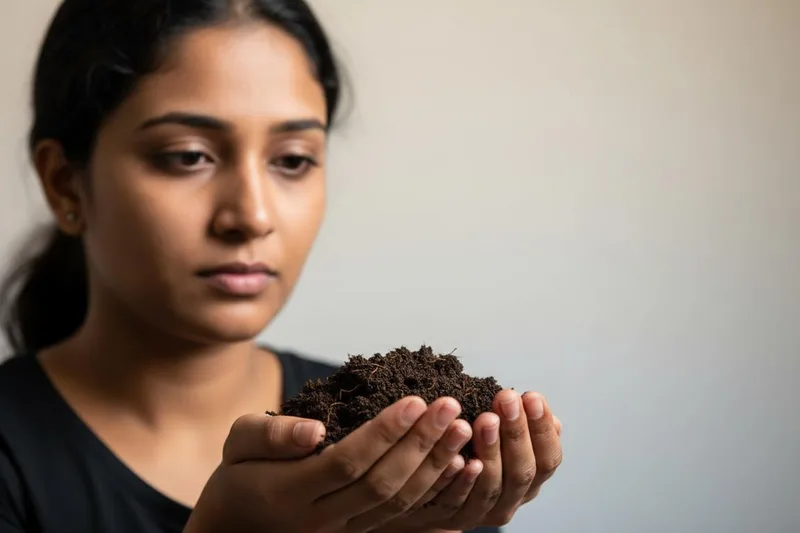
Have you ever thought that there are bacteria that can make us sick in the soil we touch and walk on every day? You may be surprised to hear this. Today we are going to talk about a disease that we have not heard of for a while, but it is very important for everyone to know about. This is called Nocardiosis in medical science. This is an infection caused by bacteria. Don't worry, we will talk about this in detail and simply.
What is Nocardiosis? Simply put...
Nocardiosis is an infection caused by a bacteria called Nocardia. This bacteria is commonly found in the soil around us, in decaying organic matter, and in dust. Think of it like the soil in our backyards.
This infection mainly affects our lungs, skin, and sometimes the brain. Most often, this disease occurs when we breathe in dust particles containing this bacteria, or when this bacteria enters the body through a wound in the skin.
The important thing is that nocardiosis is not a very common disease. That means it is not something that everyone gets easily. However, if it does occur, especially in people with weakened immune systems, it can sometimes be fatal. So it is very important to be aware of this.
How common is this disease?
Nocardiosis is actually a very rare infection. For example, in a country like America, only 500 to 1000 cases are reported per year. However, in some special cases, the risk is higher. For example, it has been found that between 1% and 4% of people who have undergone a heart transplant or a lung transplant are at risk of developing this nocardiosis. Such cases are also occasionally reported in Sri Lanka, especially in those with weak immune systems.
What are the symptoms of Nocardiosis?
The symptoms of this disease vary depending on where in the body the infection is located. Let's take a look at the main symptoms that are seen.
Lung-related (this is the most common):
- Cough (sometimes with phlegm)
- Chest pain
- Shortness of breath (difficulty breathing even with mild exertion)
- Fever
- Weight loss for no reason
- Night sweats
- Feeling extremely tired (this is a feeling of fatigue that increases day by day)
Skin-related:
- Ulcers or sores on the skin
- Lumps (nodules) under the skin - These may appear red, purple, or darker than the surrounding skin. They can sometimes be painful.
What does a Nocardia skin infection look like?
Imagine you have a small wound on your skin and you get some dirt on it. If this Nocardia bacteria gets in there, it will become red, swollen, and maybe blister, and pus will come out. Sometimes it can even form a crust. For some people, this can be painful.
If the infection spreads to the brain (this is a more serious condition):
- Headache (a severe, persistent headache)
- Nausea and vomiting
- Lifeless state
- Confusion (sudden loss of consciousness, agitation)
- Epilepsy symptoms (seizures)
If you have one or more of these symptoms, especially if you have a weakened immune system, it is very important to seek medical advice immediately.
What causes Nocardiosis?
Simply put, the cause is a bacteria called Nocardia. This bacteria lives in the soil in many parts of the world.
How does this bacteria enter our bodies?
There are three main methods:
1. By inhaling bacteria found in soil or dust: When we are in a dusty environment, small particles containing these bacteria can enter our lungs.
2. Bacteria entering through a cut or wound on the skin: Imagine you were working in the garden and got a thorn in your hand or a small cut. The bacteria can enter the body through the soil from that wound. It can also happen if dirty water or soil gets on an existing wound.
3. Through contaminated medical equipment during surgery (this is very rare): This doesn't happen very often, because the equipment in hospitals is kept very clean.
Is this disease contagious?
No. Nocardiosis is not a disease that can be transmitted from one person to another. This means that you cannot get it from talking to, shaking hands with, or being close to someone who has the disease.
Who is at higher risk of developing Nocardiosis?
Generally, a person with a healthy immune system rarely gets sick from the Nocardia bacteria, even if they inhale it or get on their skin. This is because our body's defense system fights and destroys the bacteria.
However, people with weakened immune systems are at higher risk of developing this disease. A weakened immune system means that the body's ability to fight disease-causing germs is reduced.
The main situations where the risk may increase are:
- People who have had a major organ transplant: Especially those who have had a lung or heart transplant (solid organ transplant).
- People who have had a stem cell transplant: especially those who have had stem cells taken from someone else (allogenic stem cell transplant).
- People with cancer (especially while undergoing cancer treatment).
- People with diabetes.
- People infected with HIV.
- People with autoimmune diseases or those taking immunosuppressants (medicines that reduce our body's ability to fight disease).
- People with chronic lung diseases, for example, diseases like `COPD (Chronic Obstructive Pulmonary Disease)`.
What are the possible complications of Nocardiosis?
As mentioned earlier, this can be serious if not treated properly. Some of the possible complications include:
- The infection spreads from the lungs to other parts of the body: for example, to the brain, blood, skin, eyes, kidneys, bones, or muscles.
- Pneumonia: An infection of the lungs.
- Lung abscess: A collection of pus inside the lungs that forms a lump.
- Sepsis: This is a potentially life-threatening, exaggerated response of the body to an infection.
- Respiratory failure: Impairment of the breathing process.
- Organ failure: Failure of vital organs in the body.
These complications do not occur in everyone, but people in high-risk groups should be especially careful.
How is Nocardiosis diagnosed?
Doctors use various tests to confirm the diagnosis. The main one is to look for the Nocardia bacteria in samples taken from the body. There are several methods used for this:
- Biopsies of skin ulcers: If there is a skin ulcer, a small piece of tissue is taken and examined under a microscope, or the bacteria are grown (cultured).
- Sputum samples: If there are symptoms related to lung disease, people will have their sputum tested.
- Bronchial alveolar lavage: This involves passing a tube with a small camera into the lungs and taking a sample of fluid from there for examination.
- Biopsy from brain abscesses: If the infection has spread to the brain and an abscess has formed, a sample is taken from there.
- PCR testing: This is a new technique that can detect genetic material from bacteria and confirm infection.
Additionally, a chest X-ray or CT scan may be done to check for lung infection.
Can Nocardiosis be cured?
Yes, this is a curable disease, but it needs to be diagnosed early and treated properly.
The main treatment is antibiotics . The doctor may prescribe one or more antibiotics depending on the severity of the infection and the type of bacteria.
The most important thing is to take these antibiotics for the full course of treatment, as prescribed by your doctor. Usually, you have to take these medications for a long time, about 6 to 12 months . Some people, especially those with very weak immune systems, may have to take the medication for more than a year. Even if your symptoms subside, do not stop taking the medication until your doctor tells you to. Otherwise, if you stop halfway, the disease may return.
Sometimes, if breathing difficulties are severe, supplemental oxygen may be given or a ventilator may be connected . If you are very sick, you may need to stay in the hospital for treatment.
Something about the death rate...
This may sound scary, but it's important to know. Some studies suggest that the mortality rate for nocardiosis is between 15% and 40% . In some cases (e.g., people with very weak immune systems, people with brain infections), this number can be even higher. However, this depends on many factors, such as the severity of the disease, the extent of the infection, and the patient's immune system. Therefore, early detection and treatment are key.
When should you see a doctor?
If you have any symptoms that you think may be signs of nocardiosis, see a doctor without delay. This is especially important if you are in one of the risk groups mentioned above (e.g., organ transplant recipients, immunosuppressants, or diabetics).
Some questions you can ask your doctor:
- What are some things I can do every day to take care of myself?
- What symptoms should I look out for?
- When should you go to the emergency room?
- When should I come back for another checkup?
- How do I use this medicine exactly?
When should you go to the Emergency Treatment Unit (ETU) ?
If you have any of the following serious symptoms , go to an emergency room immediately:
- Severe chest pain
- Severe difficulty breathing
- Confusion or loss of consciousness
- Symptoms of epilepsy (seizures)
- A wound that doesn't heal and gets bigger and bigger
- Large blisters or blisters that appear red, brown, dark green, or black on the skin
- A foul-smelling fluid oozes from the blisters
How to protect yourself from Nocardiosis?
While we can't completely avoid this, there are things we can do to reduce the risk:
- If you work with soil or dust (e.g. gardening, farming), wear gloves and a mask. This is especially important for people with weakened immune systems.
- Wear clothing that covers the skin as much as possible to prevent cuts or injuries, especially when working outdoors.
- Keep any cuts or open wounds on the skin clean and cover them (apply medication and apply a bandage).
- Wash your hands often, especially after coming from outdoors or working with soil.
- If you get a wound, treat it immediately. Wash it well with soap and water, and cover it. If the wound is very deep, if the bleeding does not stop, or if dirt or other debris is stuck inside the wound and cannot be removed, seek medical advice immediately.
For transplant patients, doctors sometimes prescribe antibiotics beforehand to prevent these types of infections. Talk to your doctor about this.
Finally, what to remember (Take-Home Message)
Nocardiosis is a rare, but sometimes fatal, bacterial infection. It's important to talk to your doctor about the best way to protect yourself from this infection, especially if you have a weakened immune system or are about to receive an organ transplant.
Also, if symptoms appear, be prepared to recognize them early and seek treatment as soon as possible. The earlier the diagnosis, the more likely it is that treatment will be successful. Let's not panic, be aware, and try to stay healthy!
` Nocardiosis, Bacterial infection, Soil-borne diseases, Immunology, Skin infections, Lung infections


💬 Comments (0)
No comments yet. Be the first to share your thoughts here.
Add Your Comment