
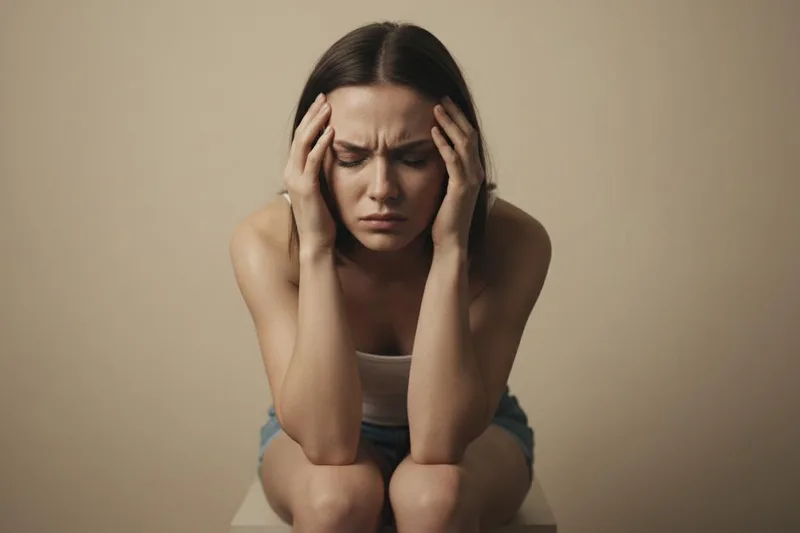
You may have heard, or experienced it yourself, that stopping certain painkillers or other medications suddenly can be very difficult. You may feel dizzy, lightheaded, and dizzy. That's exactly what happens when you suddenly stop taking opioids. Today, we'll talk about this in detail.
What are these opioids? Why are they so hard to quit?
Simply put, opioids are a group of very strong painkillers . Some are naturally occurring in the poppy plant (Opiates), such as morphine. Others are synthetically produced in laboratories (Opioids), such as oxycodone or hydrocodone. Heroin, which some people use as a drug, also belongs to this group.
These really help reduce pain. However, they are also highly addictive . Sometimes, after an accident or a major surgery, even if a doctor gives you this medicine for a short period of time, your body can get used to it. Once you get used to it, you start having problems when you stop taking it. This is what we call Opioid Withdrawal Syndrome.
This withdrawal condition affects those who use these drugs daily for more than two weeks, and especially for more than 90 days (3 months), rather than just a few days.
The important thing is that the withdrawal symptoms are not life-threatening. However, they can be very uncomfortable, like having a bad cold. The fear of these discomforts is what keeps some people from using them. If you have an opioid use disorder, getting treatment for these withdrawal symptoms is the first step to recovery.
What are the symptoms of opioid withdrawal?
These symptoms are not the same for everyone. They vary depending on things like the type of opioid you used and how long you've been using it. Early symptoms can feel like a bad cold . Check to see if you have any of these symptoms:
- Body aches and pains: Feels like the muscles in the body are being torn.
- Anxiety and restlessness: Feeling very restless, like you can't stay in one place.
- Chills and fever: Sudden chills, shivering, and feverishness.
- Diarrhea: loose stools.
- Dilated pupils .
- Increased heart rate and blood pressure.
- Excessive sweating.
- Insomnia: No matter how hard you try, you can't sleep.
- Opioid craving or craving.
- Nausea and vomiting.
- Tears coming from the eyes or frequent crying.
One or more of these symptoms may occur at the same time.
How long will these difficulties last?
It also depends on the type of opioid you took. For example, if you are taking a fast-acting opioid like heroin or oxycodone, these symptoms may last for about four to five days. However, if you are taking a long-acting opioid like methadone, these symptoms may last for a week or more.
Why is this happening? What is the reason for this?
Think about it, when we use these opioids for a long time, certain changes occur in our brain . These drugs not only reduce pain, but also change our mood. So, our body gets used to the feeling of these drugs. When we suddenly stop taking them, these withdrawal symptoms appear because of those changes in the brain. That is, the brain reacts as if it can't live without the drug.
What's the worst thing that could happen in this?
The most serious complication of this is accidental overdose after stopping opioid use and then starting again. Sometimes, these withdrawal symptoms are so severe that people are unable to cope with the pain and resort to using the drug again. This increases the risk of an overdose, as the body may not be able to tolerate the same amount of opioids as before.
How does a doctor know for sure that this is Opioid Withdrawal?
A doctor will examine you. They may do a blood test to check for drugs. They will also ask you these questions:
- Have you been previously diagnosed with Opioid Use Disorder?
- What type of opioid were you using?
- When did you stop taking it?
- What symptoms are you currently experiencing?
- When did those symptoms start?
- Have you ever experienced withdrawal like this before?
It is very important to answer these questions honestly.
What are the treatments for this? Can I get relief?
Yes, there are definitely treatments for this. Doctors will prescribe medication for specific symptoms you have. For example, for things like diarrhea, muscle cramps, etc.
They will also talk to you about your opioid use and give you advice on how to wean yourself off of it and avoid withdrawal symptoms. For example, if you are taking an opioid prescribed by your doctor for pain after surgery, your doctor will help you gradually taper off the medication rather than stopping it all at once.
If you have, or think you may have, an opioid use disorder, your doctor may ask you if you would like to be referred to a counseling service such as Cognitive Behavioral Therapy (CBT) .
Here are some medications that can help relieve withdrawal symptoms:
- For opioid addiction: Buprenorphine (Subutex®). This is most often given as a pill, but can also be given as an injection. Sometimes buprenorphine and the opioid blocker naloxone are combined (Suboxone® or Zubsolv®). Methadone (Dolophine® or Methadose®) is also given.
- For stomach cramps and diarrhea: Clonidine (Catapres®). This also helps with high blood pressure that increases during withdrawal. Your doctor may also prescribe over-the-counter medications for diarrhea.
- For insomnia: Trazodone (Desyrel®), Doxepin (Silenor®) or Mirtazapine (Remeron®).
- For nausea and vomiting: Ondansetron (Zofran ODT®), Prochlorperazine (Compazine®) or Metoclopramide (Reglan®).
- For muscle spasms: Baclofen (Baclofen - Ozobax®).
- For body aches and pains: Nonsteroidal anti-inflammatory drugs (NSAIDs) and paracetamol (Acetaminophen).
What can you expect?
Usually, you will need to take medication to reduce your cravings for opioids. Your doctor will explain to you how long you need to take this medication. The most important thing is to take the medication exactly as your doctor tells you, in the right dose, and at the right time.
Can't this opioid withdrawal be prevented?
It may not be possible to completely prevent it. However, you can take steps to prevent the onset of severe symptoms. If you are using opioids for any reason and are concerned about withdrawal, be sure to seek help from your doctor. He or she can prescribe medication to help control your symptoms. Also, getting help with these symptoms can help you avoid developing an opioid use disorder, or at least help you begin to recover from it.
How can you help yourself?
This is a really challenging time, but there are things you can do to help:
- Take your medication exactly as prescribed by your doctor, without missing a single dose. Missing a dose can cause withdrawal symptoms to return. This can make you want to use opioids again.
- Consider Counseling: If you are trying to quit opioid use, it could be that you are addicted to it, or that you have an opioid use disorder. Talking to an addiction counselor can be a great help in your recovery journey.
- Get enough rest: Even if you are taking medication for insomnia, habits such as avoiding coffee, tea, and alcohol at night can help you sleep better.
- Drink plenty of water: Even if you take medicine for diarrhea and vomiting, you can still lose a lot of water from your body and become dehydrated. This can cause dizziness and headaches. Therefore, drink plenty of fluids like water and juice.
- Take a walk or do some exercise: Do something like walking, running, swimming, or cycling. When we exercise, our brain releases hormones called endorphins. These help reduce pain, stress, and sadness. The release of more endorphins can reduce pain, stress, and improve mood.
When should I see a doctor?
If you are undergoing treatment for opioid withdrawal, if your symptoms get worse, or if you feel like using opioids again because of the difficulty, see a doctor immediately.
What are the important questions to ask the doctor?
When these opioid withdrawal symptoms suddenly come on, you may have many questions. Here are some questions you can ask your doctor:
- I took the medication as prescribed by the doctor. Why am I having these withdrawal symptoms?
- Will I have to take medication to treat these symptoms?
- Does experiencing these withdrawal symptoms mean I have an opioid use disorder?
- I have an opioid use disorder. How can I avoid using opioids again?
Maybe you took opioids for pain relief and are now having trouble cutting back. Or maybe you have an opioid use disorder and need help. You know how difficult these withdrawal symptoms can be. Getting treatment for this can help you manage your pain, manage your mood, and stay off opioids. No matter what reason you use opioids, talk to your doctor about ways to avoid opioid withdrawal, which can happen when you stop taking them.
Finally, things to remember
Okay, so let's remind you of a few things we've talked about that we think are important to you.
Although opioids are powerful painkillers, they can be addictive. Withdrawal symptoms can be very uncomfortable when you stop taking them suddenly, but they are not life-threatening. Don't be afraid to suffer alone. There are effective treatments for this. The best thing to do is to see a doctor and seek scientific treatment. Remember, asking for help is not a weakness, it is a strength. You can get through this.
` opioid, opiate, withdrawal, addiction, treatment, symptoms, painkiller




💬 Comments (0)
No comments yet. Be the first to share your thoughts here.
Add Your Comment