

Are you having trouble breathing, chest tightness, or feeling tired all the time? Your doctor may have told you that you need oxygen therapy. So, an oxygen concentrator is a very important medical device that comes to our aid at times like these. Although the name may sound like a big deal, its operation is very simple. Let's talk about it all today.
Simply put, what is an oxygen concentrator?
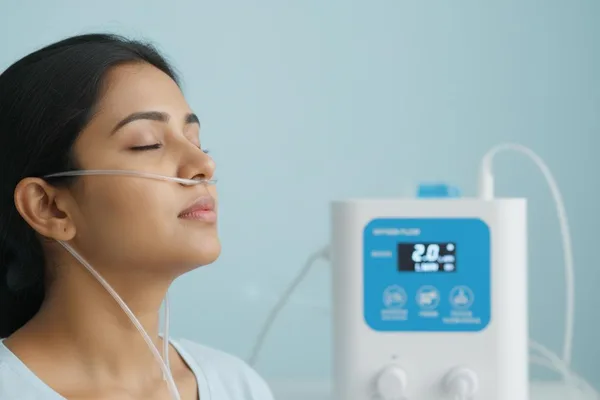
This is a medical device. If you have difficulty breathing, it is used to provide the body with the necessary amount of oxygen. You must have seen the big, heavy oxygen cylinders used in hospitals. When the oxygen in a cylinder runs out, it needs to be refilled. But the special thing about this concentrator is that it does not need to be refilled again and again .
How do you know that? This machine takes the normal air in your room, cleans it, and separates only the oxygen you need to breathe. It works like a water filter that removes the dirt from water and gives you clean water. The oxygen that is separated in this way, about 90% - 95% pure, is given to you either through a small tube (nasal cannula) that is attached to your nose or through a mask that covers your mouth and nose.
But one thing is important to remember . You should never use this device as you please without a doctor's recommendation. If someone who doesn't need it uses such high-concentration oxygen for a long time, it can damage their lungs.
There are two main types of these devices.
There are two main types of methods you can choose from depending on your needs. Let's take a look at what they are.
| Type | Description |
|---|---|
| Stationary Oxygen Concentrator (Home Use Type) | This is a bit big and heavy (about 10 kg). But it has wheels underneath, so it's easy to move around the house. It works with household electricity (current). So it needs to be plugged in. Some types come with a battery backup or a small oxygen tank to use in case the electricity goes out. |
| Portable Oxygen Concentrator | As the name suggests, it is small and lightweight. So you can easily take it with you on a trip or out for work. These mostly work with rechargeable batteries. However, they may not provide as much oxygen as a large machine at home. |
What medical conditions require an oxygen concentrator?
A doctor may recommend this for any respiratory condition that causes low oxygen levels in your blood. For example:
- Asthma
- COPD (Chronic Obstructive Pulmonary Disease) - a common condition, especially among smokers
- Pneumonia
- Heart Failure
- Lung Cancer
- Sleep apnea
- Cystic Fibrosis
- Chest injuries (e.g., chest wall fractures)
Additionally, athletes sometimes use these to train when they go to high altitudes, such as in the mountains. This helps the body gain more energy, as there is less oxygen in the air at higher altitudes.
Risks and things to be safe about
Although this brings great convenience to life, there are a few things we must be careful about when using it. This is very important.
Fire hazard
This is the most important thing. Oxygen is not a flammable gas. But it does help the fire. Simply put, if the concentration of oxygen in a fire increases, the fire will spread much faster, much more violently. It could even cause an explosion.
Therefore, the oxygen concentrator should be kept at least 10 feet away from the following things:
- Fire sources: Cigarettes, bidis, cigars, lit stoves, gas stoves, wood stoves, grill machines.
- Flammable materials: gasoline, kerosene, thinner, sprays, rubbing alcohol.
- Oily cosmetics: Petroleum jelly, such as Vaseline®. Many people apply Vaseline around their nose to prevent dry lips. However, this is not a good idea if you are using oxygen. Ask your doctor about a water-based product instead.
Electrical appliances
Some electrical appliances can produce a small spark. This can be dangerous if it comes in contact with oxygen. So don't keep these near:
- Hair dryers
- Electric razors
- Electric blankets
- Vape pens
Power Outage
Since the machine at home runs on electricity, you also need to think about what to do if the power goes out. Therefore, it is very important to always keep the batteries charged and have a small backup oxygen tank .
When do you need to see a doctor?
When receiving oxygen therapy, problems can arise whether the body receives too much or too little oxygen. Be aware of these symptoms.
| Seek medical advice immediately. | |
|---|---|
| Symptoms of Oxygen Poisoning | |
| |
| Symptoms of lack of oxygen (Hypoxia) | |
|
It's very helpful to have a Pulse Oximeter with you at times like this. You can easily monitor your blood oxygen levels by clipping it to your finger. Also, if you feel like your concentrator isn't working properly, call your doctor or the company that supplied the device immediately.
Are you renting this? Are you buying it outright?
This is a problem for many people.
- Renting: If you need this for a short period of time (e.g. until you recover from pneumonia), renting is advantageous.
- Purchase: But if you have a long-term condition like COPD, it may be cheaper in the long run to spend a one-time fee and buy the latest equipment rather than paying rent every day.
The best decision about this is to talk to your doctor. He or she will recommend what is best for you based on your medical condition, lifestyle, and financial capabilities.
Take-Home Message
- An oxygen concentrator should only be used on the recommendation of a doctor . Do not use it as you please.
- When using this device, keep it at least 10 feet away from fire, flammable materials, and some electrical appliances .
- Be prepared for a power outage. Keep a battery backup or a small oxygen tank nearby.
- Watch for signs of oxygen deficiency (dizziness, confusion, bluish skin). If you have any concerns , tell your doctor immediately .
- Discuss with your doctor whether to rent or purchase the device and make the best decision.




💬 Comments (0)
No comments yet. Be the first to share your thoughts here.
Add Your Comment