

Your child is turning 11 years old soon, which marks an exciting and fast-changing chapter in their life. They are growing up fast and shifting from little kids into independent preteens. Keeping a close eye on their health during this time through a regular medical checkup is extremely important. Let us walk through what happens during this 11-year well-child visit so you and your child feel completely prepared and confident.
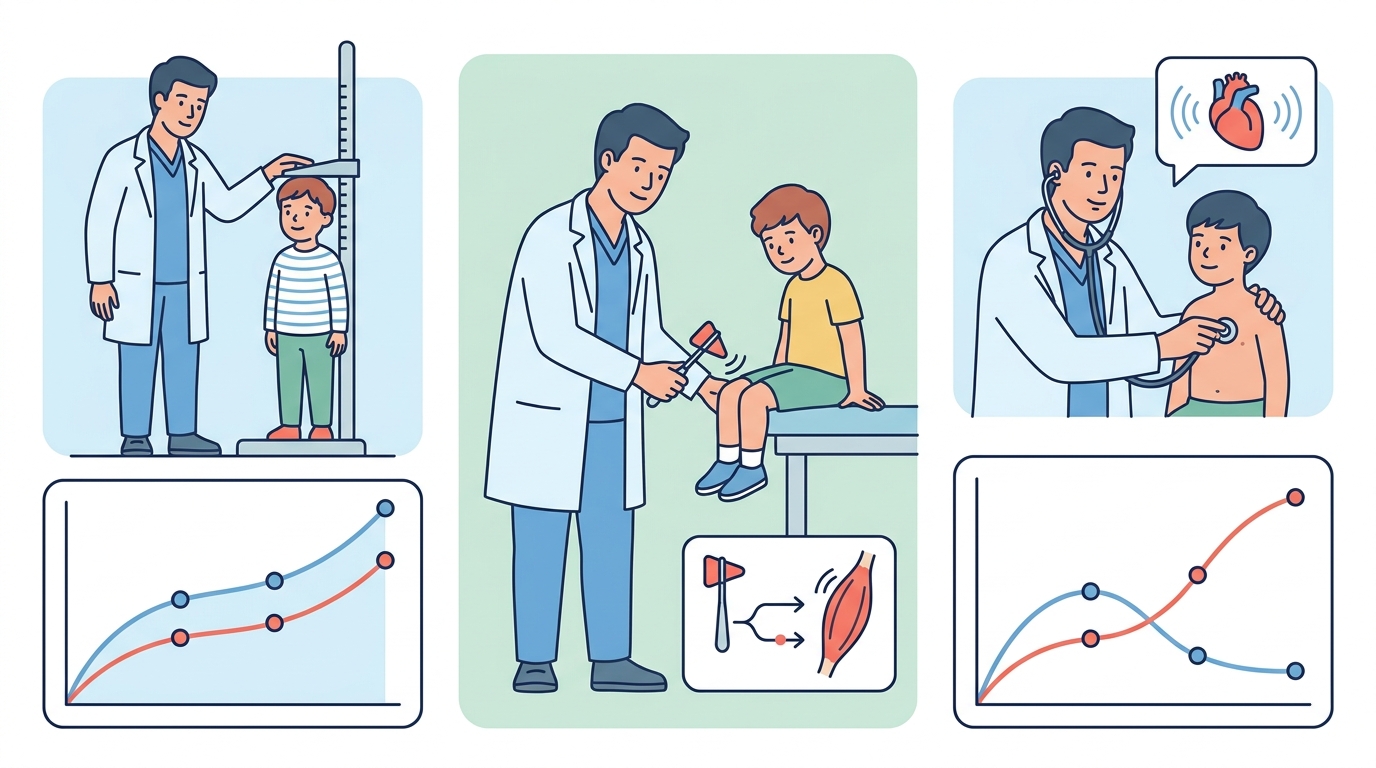
Well-child visits are not just about getting shots or measuring height. They provide a wonderful chance to talk openly with your doctor about physical growth, mental health, school habits, and social changes. You can ask questions, address worries, and make sure your preteen is thriving in every possible way.
Key Takeaways for Your 11-Year-Old Visit.
- Growth and BMI: Doctors track height, weight, and body mass index to monitor healthy development.
- Puberty Milestones: Preteens undergo significant physical and hormonal changes that require supportive guidance.
- Healthy Nutrition & Sleep: Kids need balanced meals, limited screen time, and nine to twelve hours of nightly sleep.
- Vital Vaccinations: Stay up to date on adolescent vaccines like Tdap and the HPV series.
- Open Communication: Private one-on-one time with the doctor helps preteens discuss sensitive topics safely.
What Happens During the Visit?
When you and your child arrive at the clinic, the doctor and nurse will guide you through a comfortable routine. The goal is to check your child's overall wellness, answer any questions, and ensure they are growing up strong and healthy. There is nothing to fear, as every step is designed to support your child.
Weight, Height, and BMI.
The nurse will start by measuring your child's height and weight accurately. They use these numbers to calculate the body mass index, commonly known as BMI. This calculation helps show if your child has a healthy body weight for their height and age. The medical team records these figures on a growth chart to compare your child's growth pattern over time and against peers.
Blood Pressure and Hearing.
Next, the doctor checks your preteen's blood pressure using a comfortable arm cuff. Monitoring blood pressure starting in preadolescence helps catch potential health issues early. The nurse may also perform a quick hearing screening to ensure your child's ears are functioning properly for school and daily activities.
Doctor Questions and Your Concerns.
This part of the visit involves an open conversation between you, your child, and the doctor. You can share any behavioral changes, school updates, or physical symptoms you have noticed. Feel free to ask questions about parenting challenges, emotional shifts, or health routines without holding anything back.
Eating Habits.
Preteens need guidance to choose nutritious foods that fuel their active bodies. The doctor will ask if your child eats plenty of lean protein, whole grains like brown rice and millet, fresh fruits, vegetables, and low-fat dairy. An 11-year-old should aim for about three cups of low-fat milk or equivalent calcium-rich foods each day, along with at least five servings of fruits and vegetables.
Sleeping Habits.
Growing preteens need nine to twelve hours of quality sleep every night. Without enough rest, children struggle to focus at school and often feel sleepy during the day. Establish a consistent bedtime routine and encourage relaxing habits like reading a book before sleep. Keep televisions, smartphones, and tablets out of the bedroom to protect their sleep quality.
Physical Activity and Screen Time.
Your 11-year-old needs at least 60 minutes of physical activity every day that gets them moving and breathing faster. Running outside, playing sports, and riding bicycles are fantastic choices. The doctor will also discuss setting healthy limits on recreational screen time involving televisions, video games, computers, and smartphones.
Growth and Development Changes.
By age 11, children often show distinct signs of development. These changes are completely normal, so try not to worry if your child is developing slightly earlier or later than their friends.
- Puberty Signs: Puberty is the biggest physical change during this preteen stage.
- Girls: Puberty usually begins between ages 8 and 13, starting with breast development and the growth of underarm and pubic hair. Menstrual periods typically begin about two years after breast development starts.
- Boys: The first sign of puberty in boys is testicular enlargement, which usually starts around age 11 but can range from age 9 to 15. This is followed by penis growth, pubic hair development, and voice deepening.
- Skin becoming oilier, which can lead to occasional acne breakouts.
- Acting impulsively without fully thinking about the future consequences of their actions.
- Showing a strong desire for independence, making personal choices, and hanging out with friends.
- Caring deeply about their appearance, hairstyles, clothing, and what peers think of them.
- Sometimes engaging in risky behaviors, such as trying dangerous stunts or riding bikes too fast.
Think about how many new feelings, questions, and curiosities run through a preteen's mind during these changes. They truly need our patience and support.
Will the Doctor Talk With Your Child Alone?
After talking with you, the doctor may ask to spend a few minutes alone with your child. This private time allows preteens to ask sensitive questions about puberty, body changes, or emotional worries without feeling embarrassed. This practice is completely normal and helps build trust between your child and their doctor.
Physical Exam.
The doctor performs a gentle physical exam to check your child's overall health. They will examine the skin for rashes or moles, listen to the heart and lungs with a stethoscope, and check the spine for signs of scoliosis by having the preteen bend forward. The doctor may also check pubertal development to ensure healthy maturation. Parents or guardians should stay in the room during this exam. This siblings wait outside to respect your preteen's privacy.
Vaccines.
Keeping immunizations up to date is vital for protecting preteens from serious infections. At age 11 or 12, children often receive the Tdap booster shot to protect against tetanus, diphtheria, and pertussis, along with the first dose of the HPV vaccine series. Vaccination schedules can vary slightly depending on your location, so consult your pediatrician for personalized advice.
Required Tests.
The doctor will only order laboratory tests if they suspect a specific health concern. Common tests during preadolescence include checking for iron deficiency anemia, high cholesterol, or tuberculosis if risk factors are present. Most healthy children do not need routine blood draws at this age.
Keep These Things in Mind Until the Next Checkup.
As you wait for your child's 12-year checkup, consistent daily parenting habits will support their ongoing physical and emotional success.
School and Learning.
- Encourage your child to join diverse activities like music, art, school clubs, and sports to build confidence and skills.
- Praise their hard work and achievements while offering gentle support when school tasks get difficult.
- Create a quiet, distraction-free study space at home, away from televisions and mobile devices.
- Watch out for academic struggles that could signal a learning disability, attention issue, bullying, or emotional stress, and talk with teachers if concerns arise.
- Peer pressure peaks during preadolescence, increasing the risk of experimenting with unhealthy habits. Know who your child spends time with and guide their friendships.
Personal Care and Mental Health.
- Spend a little time talking and connecting with your child every single day over meals, games, or shared conversations.
- Set clear house rules and expectations while offering fair consequences for broken rules and warm praise for good choices.
- Answer questions about puberty, body changes, and emerging feelings with openness and respect rather than dismissing them.
- Talk simply about respectful relationships, gender identity, sexuality, and the importance of delaying sexual activity.
- Remind your child to shower daily and introduce a gentle deodorant if body odor becomes noticeable.
- Encourage brushing teeth twice daily, flossing once a day, and visiting the dentist every six months.
- Watch for signs of depression, such as ongoing sadness, sudden anger, loss of interest in favorite hobbies, dropping grades, or talking about hopelessness. Seek professional help right away if you notice these signs.
Safety and Well-Being.
- Talk openly about the dangers of smoking, vaping, alcohol, and drug use, focusing on how these substances harm growing bodies.
- Preteens should always ride in the back seat of motor vehicles and wear seat belts properly. Children should use a booster seat until they reach 4 feet 9 inches (150 cm) in height.
- Ensure your child always wears a properly fitted helmet when riding bicycles, skateboards, or scooters, along with protective sports gear like mouth guards and knee pads.
- Apply a broad-spectrum sunscreen with an SPF of 30 or higher 15 minutes before going outside, and reapply every two hours, especially if swimming or sweating.
- Protect your child from secondhand smoke by keeping them away from anyone smoking nearby.
- Monitor your child's internet use by placing computers in common family areas, using safety filters, and reviewing browser history.
- Discuss online safety, cyberbullying, and the risks of sharing personal details, passwords, or photos with strangers online.
- If you keep a firearm in your home, store it unloaded and locked securely in a safe place separate from ammunition, with keys kept completely out of children's reach.
- If you face major life challenges like food insecurity, unstable housing, or financial stress, share this with your doctor so they can connect you with helpful community resources or social workers.
Quick Summary of Key Points.
Turning 11 is a monumental milestone filled with rapid physical, emotional, and social growth. Active parental involvement ensures your child navigates these changes smoothly and healthily.
Talk openly with your doctor and never hesitate to ask questions. No question is ever silly when it comes to your child's health and happiness.
This well-child visit provides great reassurance and guidance for both you and your preteen. Raising a healthy, confident, and happy child takes teamwork, and regular medical checkups are a vital part of that journey.
| Health Area. | Recommended Daily Habit. | What to Avoid. |
|---|---|---|
| Sleep. | 9 to 12 hours of quality nightly sleep. | TVs and phones inside the bedroom. |
| Activity. | At least 60 minutes of physical play. | Excessive recreational screen time. |
| Nutrition. | Fruits, vegetables, and lean proteins. | Sugary drinks and processed snacks. |
When to Call the Doctor right away.
Seek medical help right away if your child experiences any of the following emergency red flags:
- Expressions of suicidal thoughts, severe hopelessness, or self-harm intentions.
- Sudden chest pain, severe dizziness, or fainting spells during physical activity.
- High fever accompanied by a stiff neck, severe headache, or unusual rash.
- Severe allergic reactions with facial swelling or trouble breathing.
- Call 911 (US/Canada) or 999 (UK) right away for life-threatening medical emergencies.
A Note from Dr. Priya Sammani.
Monitoring developmental milestones through regular well-child visits is essential for preteen health. Annual checkups at key ages help doctors track vision, hearing, emotional development, and immunization schedules. These visits allow healthcare teams to catch potential health issues early, support healthy lifestyle choices, and guide families through the exciting transition into adolescence.


💬 Comments (0)
No comments yet. Be the first to share your thoughts here.
Add Your Comment