

Turning 19 marks a major and exciting milestone in your life. You are stepping into young adulthood and dreaming big about your bright future ahead. During this time, taking care of your physical and mental health is more important than ever. That is why your 19-year-old medical examination, often called a well-child visit, matters so much. Let us explore what happens during this visit and how it benefits your health.
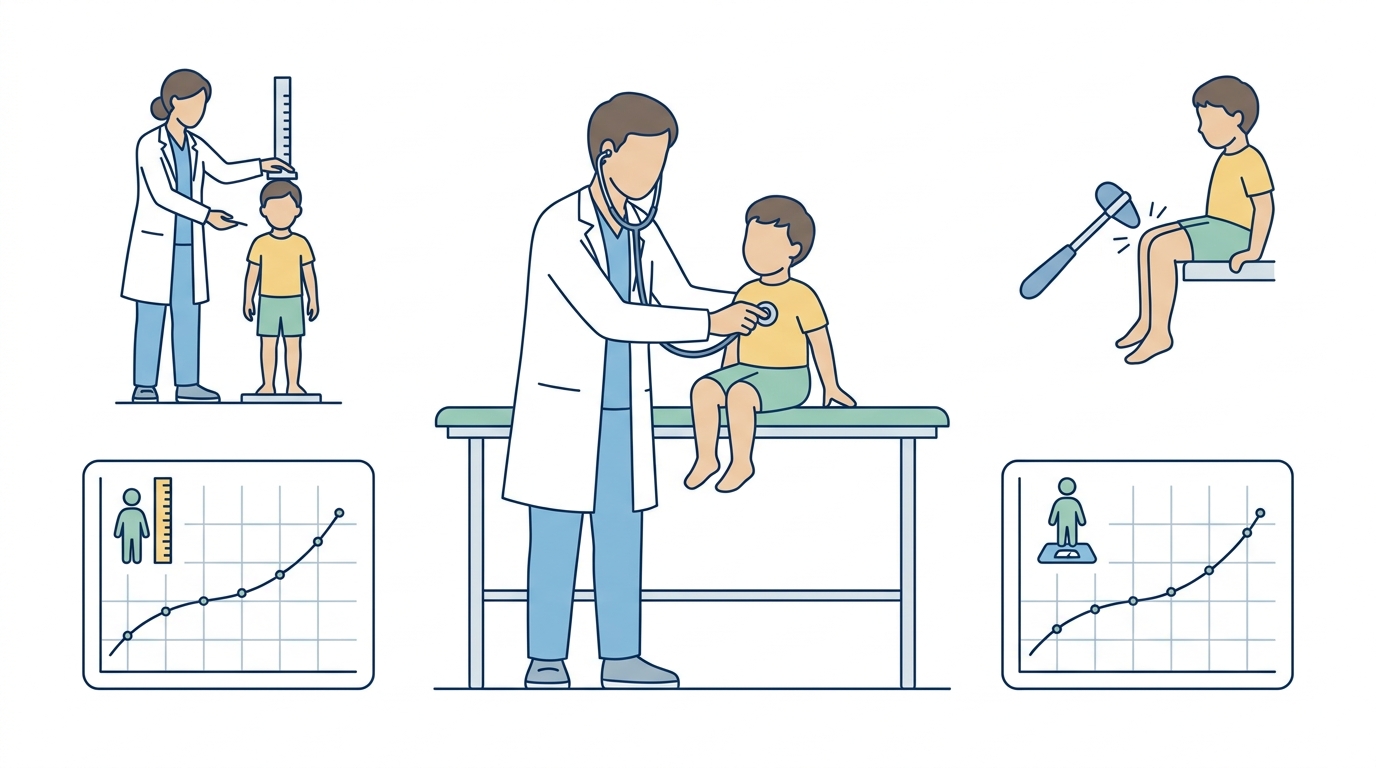
doctors design this visit specifically for your age group to address your changing needs. Whether you are heading off to college, starting a job, or planning your next steps, this checkup ensures your body and mind are ready. Let us walk through everything you need to know about this special appointment.
Key Takeaways at a Glance.
- Your 19-year-old medical exam tracks your physical growth, blood pressure, and overall fitness.
- Mental health screenings help catch stress or depression early so you can get support.
- Doctors provide tailored advice on sleep, nutrition, physical activity, and safe lifestyle choices.
- Vaccines and routine lab tests keep you protected against serious illnesses and deficiencies.
BMI Calculator
Know your body mass index (BMI) and weight classification
What to Expect During Your Medical Examination.
This appointment feels similar to a routine doctor visit, but it focuses heavily on young adult health. Your doctor and nurse will work together to review your overall wellness and guide you toward healthy habits.
Checking Your Weight Height and BMI.
Your doctor will first measure your weight and height to calculate your body mass index, known as BMI. This number helps show if your weight matches your height in a healthy way. Afterward, the team records these numbers on your growth chart to monitor your physical development over time.
Blood Pressure and Hearing Tests.
Next, your care team will check your blood pressure to make sure your heart is working smoothly. In some cases, they may also test your hearing to catch any subtle changes early. While these routine checks are simple, they play a vital role in spotting hidden issues.
Mental Health and Depression Screening.
Young adulthood brings unique stressors, academic pressures, and major life changes. Because of this, your doctor will check in on your mental health and emotional well-being. They may use a brief questionnaire to screen for signs of depression or anxiety. Talking openly about these feelings makes it much easier to find helpful support.
Talking About Your Daily Lifestyle Habits.
Your doctor will ask questions about your daily routine, listen to your concerns, and offer helpful advice. Expect conversations covering several core areas of your daily life.
- Eating Healthy Food: Eat at least three balanced meals every day. Include lean proteins like chicken, fish, or eggs, and aim for five servings of fruits and vegetables daily. Add whole grains like brown rice or oats, plus three daily servings of dairy or fortified soy milk. Stay away from foods and drinks high in fat, salt, and sugar like fast food and sugary sodas.
- Getting Enough Sleep: Aim for seven to nine hours of quality sleep every night. Good sleep keeps your energy high and helps you focus on your daily tasks. Try relaxing before bed by reading a book or listening to calm music. Turn off phones and computers at least one hour before sleep because screen light disrupts rest.
- Staying Physically Active: Aim for 150 minutes of moderate exercise like brisk walking every week. You can also choose 75 minutes of vigorous activity like running or cycling. Playing sports with friends is a fun and active way to keep your body strong.
- Growth and Development: By age 19, young adults experience several typical milestones. You develop a clearer sense of self and personal values. You start valuing person friendships over large peer groups. You seek more independence from parents and make your own choices. You also develop the ability to think abstractly and plan long-term goals.
A Complete Physical Examination.
Your doctor will examine your skin, listen to your heart and lungs, and check for any physical concerns. Female patients may receive a referral to a gynecologist if specialized care is needed.
Male patients will have their testicles checked for hernias, lumps, or a condition called varicocele. Varicocele involves enlarged veins inside the scrotum that doctors can easily evaluate. These physical checks are standard, routine, and nothing to worry about.
Updating Your Vaccines.
Vaccines protect you from dangerous infections and keep your immune system strong. Since immunization schedules vary by region, ask your doctor which shots you need. Keeping your vaccines up to date is one of the best ways to stay healthy.
Recommended Lab Tests.
If your doctor feels it is necessary, they may order specific laboratory tests. Common checks include screening for anemia to check iron levels, high cholesterol, tuberculosis, hepatitis C, and sexually transmitted diseases. These tests provide a clearer picture of your overall internal health.
Looking Ahead to Your Future.
After your medical checkup, think about your upcoming goals and how to shape your future. Here are several practical steps to guide your personal growth.
Your Personal Development.
- Plan Your Future: Set clear goals for your college education or career path and chase your dreams.
- Pursue Your Hobbies: Keep enjoying art, music, exercise, or community service to boost your mental well-being.
- Take Responsibility: Handle your school or work duties responsibly and ask trusted adults for support when needed.
- Manage Stress: Practice healthy stress relief through exercise, meditation, or talking with supportive friends and family.
- Know Depression Signs: Watch for persistent sadness, loss of interest, or falling behind, and seek professional help.
- Transition to Adult Care: If you still visit a pediatrician, transition to an adult primary care doctor now.
- Protect Your Teeth: Brush twice daily with fluoride toothpaste, floss between teeth, and visit your dentist twice a year.
Your Personal Safety.
"Your safety is entirely in your own hands, so make smart choices every single day."
- Always wear your seatbelt every time you ride in a vehicle.
- Never text or use your phone while driving a car because it causes dangerous distractions.
- If you are sexually active, use birth control and condoms to prevent unwanted pregnancies and infections.
- Leave relationships that feel violent, disrespectful, or involve pressure for unwanted sexual activity.
- Apply broad-spectrum sunscreen with SPF 30 or higher before going outside and reapply every two hours. Avoid tanning beds entirely to lower your skin cancer risk.
- Stay away from smoking, vaping, alcohol, and illicit drugs. Never take prescription medicines that were not prescribed for you.
- Never drink and drive, and never ride with a driver who has been drinking. Plan ahead with a designated driver or safe transport.
- Keep firearms securely locked away with ammunition stored separately in a safe location.
If you face challenges with your living situation, such as food insecurity or housing worries, talk to your doctor. They can connect you with community resources and social workers who offer direct assistance.
doctors base these recommendations on guidelines from the American Academy of Pediatrics and the Bright Futures program.
When to Seek Emergency Medical Help.
Call 911 (US/Canada) or 999 (UK) or go to the nearest Emergency Department right away if you experience:
- Severe chest pain, sudden shortness of breath, or fainting spells.
- Thoughts of self-harm, suicide, or severe emotional distress that you cannot manage.
- Sudden, severe abdominal pain or signs of a serious injury.
- High fever accompanied by confusion or a stiff neck.
💡 Take-Home Message.
Your 19-year-old medical checkup is much more than a routine physical exam. It is a powerful investment in your health and your future.
- Speak Openly with Your Doctor: Share any questions, worries, or health concerns honestly so your doctor can help.
- Take Charge of Your Health: Step into young adulthood by taking personal responsibility for your body and mind.
- Keep Up Healthy Habits: View this checkup as one important step in a lifelong commitment to wellness.
We wish you a healthy, happy, and successful future ahead!
| Healthy Choices (Do's). | Risky Habits to Avoid (Don'ts). |
|---|---|
| Eat balanced meals with lean proteins, fruits, vegetables, and whole grains. | Relying on fast food, sugary sodas, and processed snacks. |
| Get seven to nine hours of quality sleep every single night. | Using phones or computers right before trying to sleep. |
| Engage in regular physical activity like sports or brisk walking. | Remaining inactive for long hours every day. |
| Protect your skin with sunscreen and avoid tanning beds. | Using tobacco, vaping, alcohol, or illicit drugs. |


No comments yet. Be the first to share your question or experience below.