

As a parent, your greatest hope is seeing your child grow up healthy and happy. When your child feels fine, you might wonder if you really need to visit the doctor. The answer is a clear yes, and these important appointments are known as well-child visits.
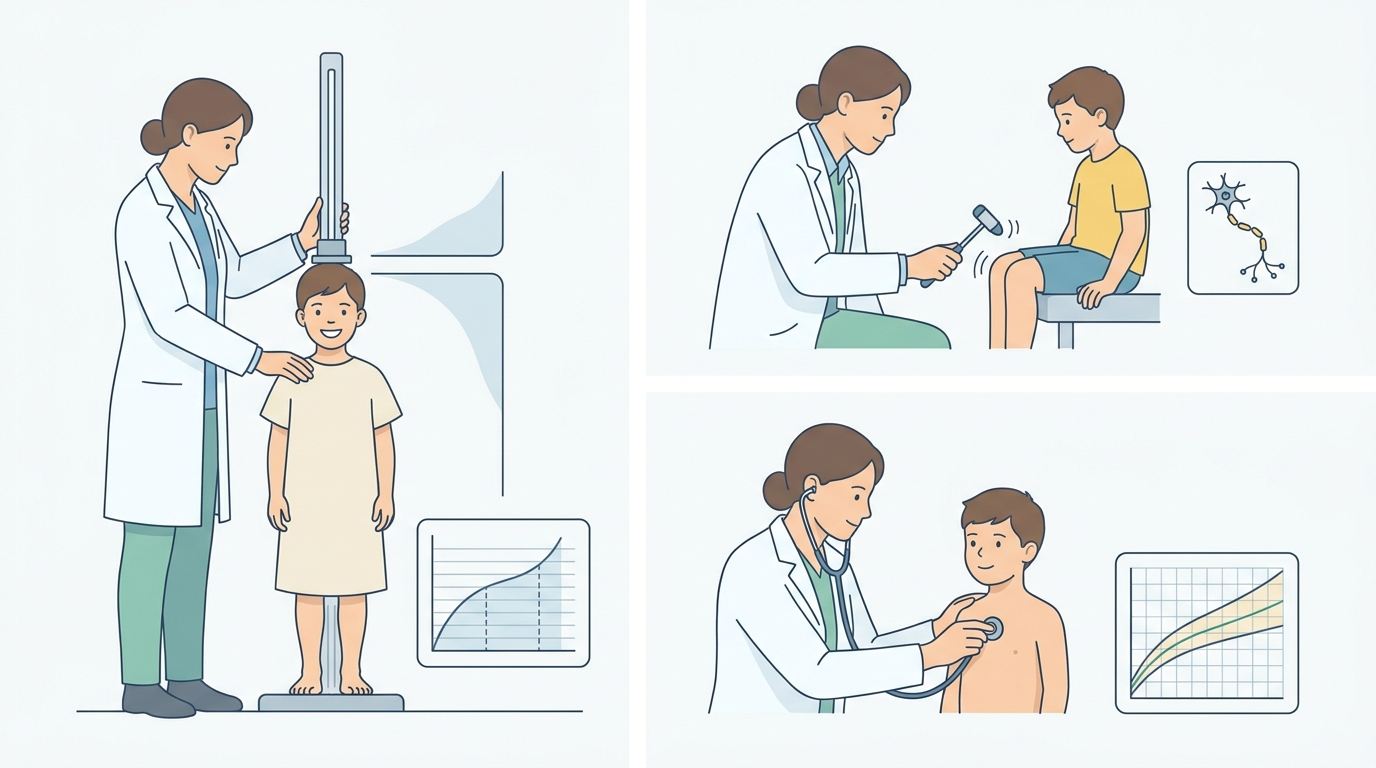
Think of these visits as a helpful guide for your child's healthy journey. They keep your child on the right track from birth through the teenage years.
Key Takeaways for Parents.
- Well-child visits track your child's height, weight, and overall physical growth.
- Doctors check key developmental milestones like walking, talking, and social skills.
- These visits ensure your child receives timely vaccines to prevent serious illnesses.
- Annual checkups continue through school age and adolescence to support mental and physical health.
BMI Calculator
Know your body mass index (BMI) and weight classification
What is a Well-Child Visit and Why Does It Matter So Much?
Simply put, a well-child visit is a doctor checkup for your child when they are not sick. It focuses on overall health, growth, and development. This works just like taking your car in for routine service. You want to spot and fix small issues before they turn into major problems.
Consider how much these routine checkups can teach you about your child's health:
- Healthy Growth Tracking: The doctor measures your child's height, weight, and head size for babies. This helps spot issues like poor nutrition early.
- Developmental Milestones: The doctor checks if your child smiles, rolls over, crawls, walks, or talks on time. Catching delays early helps your child get fast support.
- Vaccine Schedules: Vaccines protect your child from serious diseases. These visits keep your vaccine schedule on track.
- Answers to Your Questions: You can ask about food, sleep, behavior, or safety. Talking to a doctor gives you peace of mind.
- Early Problem Detection: Some health issues show no early signs. Checkups help find vision or hearing problems early so treatment can start right away.
"Taking your child to the doctor when sick is normal. But checking their health when they are well shows true smart parenting!"
From birth until about age three, you will visit the doctor quite often. This happens because a child's body and brain grow very fast during these early years. Plus, many important vaccines are given during this stage.
Most parents follow the schedule found in their child health record book. These timelines include key milestones for early visits:
- Age 3 to 5 Days: The first checkup shortly after coming home from the hospital.
- Age 1 Month: The first monthly checkup.
- Age 2, 4, and 6 Months: Checkups paired with important routine vaccines.
- Age 9 Months: Another key milestone checkup for growth and motor skills.
- Age 12 Months: A checkup celebrating the first birthday.
- Age 15 and 18 Months: Essential toddler wellness visits.
- Age 2, 2.5, and 3 Years: Checks focusing on speech, language, and behavior.
During these visits, the doctor checks weight, height, and head size. They ask about eating, sleeping, and daily habits. They also listen to the heart and lungs and check the eyes and ears. Never hesitate to share small worries with your doctor. Asking a question like, "Is it normal that my baby is not crawling yet?" is always encouraged.
Special Focus Areas During Early Checkups.
- Feeding and Nutrition: Discussions cover breastfeeding, formula, and starting solid foods.
- Sleep Patterns: Reviewing sleep routines and solving common rest issues.
- Child Safety: Tips on home safety and injury prevention for active toddlers.
- Teething: Managing teething pain and learning how to clean new teeth.
Preschool and School-Age Children: Time for Annual Checkups.
Once your child turns about four years old, you will usually visit the doctor once a year. At this stage, your child enters preschool and then starts school. This brings big changes to their daily life.
Checkups change focus as your child grows older:
- Continued Growth Tracking: Doctors measure height, weight, and body mass index to confirm healthy growth.
- Vision and Hearing Tests: Healthy senses help children succeed in school work.
- Learning and Behavior: The doctor discusses school performance, social skills, and behavior with you.
- Booster Vaccines: Certain vaccines need booster doses to keep protection strong over time.
- Nutrition and Exercise: Conversations focus on balanced meals and daily active play.
Imagine a child sitting in class who cannot see the blackboard clearly. They might struggle in silence without telling anyone. Finding this during a routine checkup protects their entire future.
✨ Hearing health Verified Partner
Medical grade state-of-the-art hearing aids
Advanced hearing aids designed for clear hearing and noise control in the ear.
Check Availability →
Entering the Teen Years: Supporting Adolescent Health.
As your child grows into a teenager, between ages 11 and 21, annual checkups remain vital. Their bodies and minds go through major changes during this time.
Key areas of focus during teen checkups include:
- Puberty and Body Changes: Discussing physical changes and answering questions about periods for girls.
- Mental Health: Addressing stress, worry, and emotional well-being.
- Risk Behaviors: Guiding teens away from smoking, vaping, and substance use.
- Healthy Lifestyle Habits: Promoting balanced food choices, exercise, and good sleep.
- Future Independence: Helping teens take responsibility for their own health.
Giving teens a few minutes to talk alone with the doctor helps them speak freely about private concerns.
What You Can Do to Prepare for the Doctor Visit.
To get the most out of your well-child visit, a little preparation helps:
- Write Down Questions: Jot down your questions beforehand so you do not forget anything.
- Bring Health Records: Bring your child health record book with growth charts and vaccine history.
- Be Honest: Share accurate details about eating habits and behavior so the doctor can give the best advice.
- Involve Your Child: Let older children ask their own questions and share their thoughts.
When to Seek Urgent Medical Care.
Do not wait for a scheduled well-child visit if your child shows emergency warning signs. Call 911 (US/Canada), 999 (UK), or go to the nearest emergency department right away for:
- Severe trouble breathing or bluish lips.
- Sudden confusion, extreme drowsiness, or trouble waking up.
- A stiff neck accompanied by a high fever.
- A sudden, severe headache or uncontrolled bleeding.
Comparison of Checkup Focus by Age Group.
Age Group. Primary Focus. Key Interventions. Infants (0-1 Year). Rapid growth, feeding, and basic motor skills. Frequent growth measurements and primary infant vaccines. Toddlers & Preschoolers. Speech, social skills, and safety. Developmental screenings and nutrition advice. School-Age (5-10 Years). School readiness, vision, hearing, and activity. Annual physical exams and booster vaccines. Teenagers (11-18 Years). Mental health, puberty, and lifestyle habits. Confidential counseling and adolescent health guidance. 💡 The Take-Home Message.
Well-child visits are much more than a routine doctor checkup. They are a valuable investment in your child's healthy future.
- Never skip these visits. Bring your child for scheduled checkups even when they feel completely fine.
- Team up with your doctor. Share your thoughts and ask questions freely during every visit.
- Catch small problems early. Early checks prevent bigger health issues down the road.
Seeing your child grow up healthy, happy, and strong brings unmatched joy. Routine well-child visits give you great support along the way!


No comments yet. Be the first to share your question or experience below.