

Making friends at school, being together and having fun with those friends is very important for children from a young age. But sometimes these groups of friends, or what we call 'sets', start to behave a little differently. Some children 'in', some 'out', and only care about their 'status'. Because of these 'cliques', it can be very difficult for children to deal with school friends and do school work, especially for middle-aged school children. But don't worry, as a parent, there are many things you can do to help your child at this time.
What is a 'clique'? How is it different from a regular group of friends?
Usually, there is nothing wrong with having a group of friends. It allows children to spend time with each other, play, and study. But a 'clique' is a little more complicated than that. Simply put, a 'clique' has rules about who is 'in' and who is 'out'. They think most about the 'status' of their group. They have an attitude like 'we are the best' and 'others are not as good as us'. This is why 'cliques' are different from a normal group of friends and can cause problems for children.
Is your child suffering from a 'clique'? How do you know?
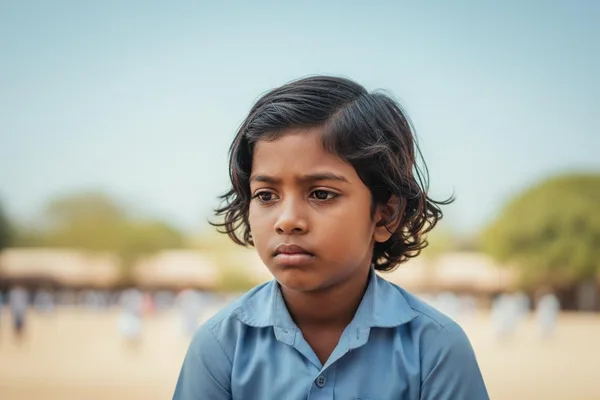
Some children are in a clique. Others are out. Some children may be in today and out tomorrow. If your child suddenly seems sad, or if a very sociable child suddenly spends time alone, you need to investigate. Ask him about it. It could be because of a clique at school.
If your child is being marginalized by a 'clique', how can you as a parent help?
When a child is facing a situation like this, they need your support. See if you can do these things.
Share your experiences.
If you have had similar experiences while you were at school, talk to your child about it. Cliques are not something that has happened recently, they have been around for a long time! When your child hears your story, they will realize that they are not the only one going through this. This will give them a lot of strength. They may think , "If this has happened to mom/dad too, this must be normal."
Explain to your child what 'rejection' means.
Help your child understand the pain they feel when someone shuns or rejects them. At the same time, remind them that sometimes we too get angry with our parents, friends, and siblings. But also teach them how quickly that anger fades. That is, help your child understand that rejection and shun are not permanent, they can change . Tell them that the friend who shuns them today may talk to them again tomorrow.
Talk about healthy and unhealthy friendships.
Explain to your child what a healthy friendship is and what an unhealthy one is. Teach them how to recognize one-sided, or fake, friendships. Tell them that sometimes people judge others by their appearance, behavior, and the way they dress. However, explain that people who treat others badly and put them down often do so because they lack self-confidence and try to control others to cover it up.
Clique leaders can be really insecure.
Think about it, the person who is the leader of the 'clique' may be more concerned about being popular and accepted by others than the child who is the outcast. What they really feel is not what they show. People like this may be deeply insecure. So tell your child not to judge people by their outward appearance.
Find stories and movies that your child can relate to.
Many books, TV shows, and movies feature characters who overcome these kinds of rejections and ultimately triumph. These stories teach a powerful message about the value of being true to yourself and the importance of being a good friend. For example, books like "Blubber" by Judy Blume show young children how quickly "cliques" can change. Older children and young adults can relate to movies like "Mean Girls," "Angus," "The Breakfast Club," and "Clueless."
Focus on extracurricular activities
If your child isn't already involved in such things, get them involved in extracurricular activities. Examples include art classes, sports, martial arts, language learning, or volunteering. These activities give your child the opportunity to build a new social group and develop new skills. This will help them develop a sense of belonging and happiness outside of the school clique.
Is your child sitting in a 'clique' and bullying others? If so, what should you do?
Sometimes your child may be the one sitting in a 'clique' and ostracizing other children, making fun of them, and bullying them. If you see something like that , you need to talk to your child about it right away. Nowadays, from talent shows to reality shows on TV, rude behavior and yelling at others is shown as a big deal, so teaching children things like kindness, respect, and compassion has become a big challenge for families.
Talk about 'power' and 'control' in friendships.
Talk to your child about how power and control work in friendships. Try to understand why they feel they need to be in a clique, and what the reasons are for that. Talk openly about who is in the clique, who is out, and what happens to the kids outside (i.e. are they ignored, marginalized, or bullied?). Remind your child that spending time with a few friends is different from intentionally excluding others .
Ask the child if they are proud of their behavior.
Ask your child if they are proud of the way they behave at school, and encourage them to think about it. You can ask questions like, "Do you really enjoy it when you behave like that?" "How would you feel if another child did that to you?"
Additionally, ask teachers, guidance counselors, or other school officials for their opinions on what is going on inside and outside the classroom. They can also ask if the school has any programs to help manage cliques and help students with different opinions work together.
How can you help your child develop healthy friendships?
You can help your children develop healthy friendships and avoid becoming too caught up in 'cliques' by giving them these tips:
Find what 'works', don't just 'fit in'
Ask your child to think about what they value, what they like, and whether those things fit into the group they are in. Ask questions like:
- 'What is the main reason you want to be on this team?'
- 'What kind of compromises will you have to make to be on this team? Are those sacrifices worth it?'
- 'What would you do if the leader of the group told you to treat the other kids badly, or told you to do something you didn't want to do?'
- 'What is the difference between teasing and bullying, just teasing, and teasing in a way that hurts others?'
Tell them not to give up on the things they love.
Imagine your child has always wanted to play the piano, but suddenly decides it's "not cool" and wants to give it up. Talk to your child about it and help them find a solution. Encourage them to participate in activities that they enjoy and that build their self-confidence.
Encourage a variety of friends
Encourage your child to make friends from different environments, backgrounds, ages, and interests, who they like and enjoy being around. Be a role model for your child by making as many friends and acquaintances as possible, of different ages and types. Tell them that they can learn a lot in life by interacting with a variety of people rather than just hanging out with the same type of people.
Think about the 'quality' of friendship, not the 'status'.
Worrying too much about whether your children are friends with the 'right' people and in the 'right' groups can lead them to worry about 'status'. Instead , focus on good, quality friendships. Help your child understand that even if they have a few friends, they are still good, trustworthy people.
Teach them to speak out against wrongdoing and stand up for others.
If your child is feeling scared or pressured by what's going on in 'cliques', encourage them to stand up for themselves and others who are being marginalized or bullied. Tell them not to participate in anything that they think is wrong. It doesn't matter if it's just a joke or gossiping about others.
Tell them to take responsibility for their actions
Encourage your child to be sensitive to others and not to agree with everything just because the group says it. Remind your child that a true friend will always respect your opinions, preferences, and choices, no matter how different they are. It can be hard to stand out from the crowd at times, but ultimately, teach your child that they are responsible for what they say and do.
The most important things to remember (Take-Home Message)
When we look at what we've been talking about, dealing with cliques can be difficult at times. But remember, these things can change very quickly. The clique you have today may be gone tomorrow. What's more important is to make real friends – people you can talk to, laugh with, and confide in.
The real secret to being truly 'popular' is to try to be the kind of friend you want to be: respectful, fair, supportive, kind, trustworthy, and good. That's the most valuable lesson to teach your child.
` School friends, cliques, groups, marginalization, bullying, healthy friendships, parental support




💬 Comments (0)
No comments yet. Be the first to share your thoughts here.
Add Your Comment