
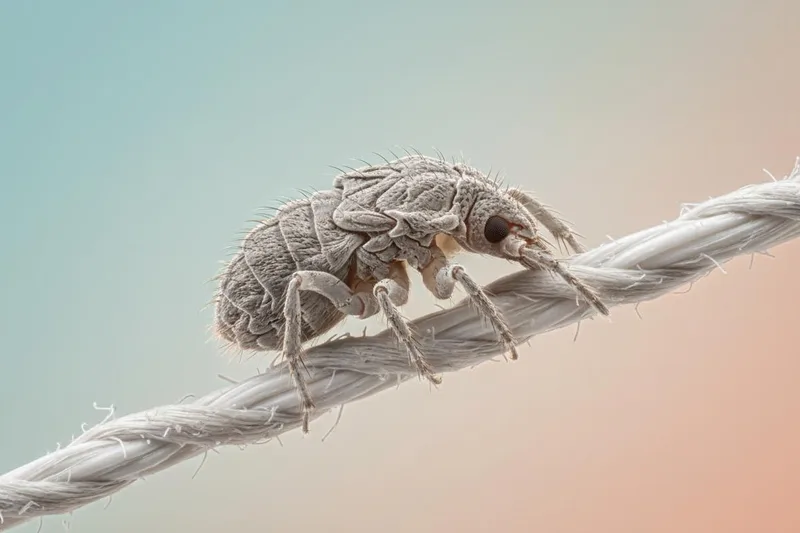
Sometimes our little ones can get asthma-like conditions or allergies because of one thing or another. We call these things that increase symptoms 'triggers'. Your doctor can help you find out what triggers your child. Of these, one that many little ones have a problem with, but we may not pay much attention to, is dust mites. So today, let's talk about these dust mites.
What are these dust mites?
Now, let's first see what these dust mites are. Simply put, these dust mites are a type of insect that is too small to be seen by our eyes. They are so small that they can only be seen with a microscope. They live in any type of fabric or fiber that we use, such as bedding, sofas, carpets. Imagine, your mattress, pillow, and carpet can be full of them.
Their main food is dead skin cells that fall off our bodies. That is, we are unknowingly feeding them. It is not just the bed bugs themselves, but their droppings that actually cause allergies. They are especially fond of upholstered furniture, some types of bedding, and carpets. Even in a home, the highest concentration of dust mites is found in bedrooms. This is because that is where we spend the most time and where our skin cells accumulate the most. They also like warm, humid environments.
How do we protect our child from these dust mites?
Okay, now we know who these dust mites are and where they live. So let's see what we can do to protect our little ones from these annoying creatures. It takes a little effort, but it's worth it for the well-being of our children, right?
Let's keep the house clean!
This is the first and most important thing.
- Regular cleaning: The house, especially the child's room, should be thoroughly vacuumed and dusted at least once a week.
- A good dehumidifier: If possible, put a special small-pore filter bag in your dehumidifier. Otherwise, it would be great if you could get a dehumidifier with a (HEPA) filter. Because this (HEPA) filter captures even the smallest dust particles that are invisible to the eye, parts of bed bugs, and even their feces. Then they will not be added to the air again.
- Dusting: When dusting, don't forget to use a damp cloth. Wiping with a dry cloth will only resuspend the tiny dust particles in the air. Therefore, wiping with a damp cloth will cause those particles to stick to the cloth.
Special attention to the bedroom!
As we've said before, the bedroom is the main habitat for dust mites, so you need to take special care there.
- Bedding type: Avoid using pillows, mattresses, and comforters made of feathers or down. Instead, choose bedding made of synthetic materials. These are less inviting to dust mites and are harder to grow.
- Washing bedding: Change or wash bedding once a week. All of your child's bedding, including washable soft toys, should be washed in hot water no hotter than 130 degrees Fahrenheit (54.4ºC) and dried thoroughly. If you have a dryer, it's best to dry it on the highest setting. Dust mites don't tolerate high heat.
- Mite-proof covers: Another very important thing is to cover mattresses, pillows, and box springs with special mite-proof covers that prevent dust mites from entering. These are now available in large stores and online. These covers prevent mites from getting into the mattress and prevent mites from getting out. These covers should be cleaned and kept clean regularly.
Let's take care of carpets and rugs
Carpets are another favorite place for dust mites.
- Carpet Removal: If possible, it is a good idea to remove carpeting, especially wall-to-wall carpeting, from your child's bedroom and other areas where he or she spends a lot of time. This is a must-do if your child's symptoms are not controlled by cleaning with a HEPA-filtered vacuum cleaner.
- Washable rugs: If you use small rugs (like area rugs) instead of large carpets, check to see if they are washable and wash them in hot water once a week.
Let's reduce window treatments and unnecessary items.
- Window coverings: You should also think about window coverings. They should be easy to wash and clean. Avoid blinds with horizontal stripes. Horizontal surfaces attract more dust. Also, large, fancy curtains with lots of folds or areas where dust collects should be dry cleaned. Window coverings should also be washed regularly. Simple, easy-to-wash cotton fabrics are best.
- Upholstered furniture: If you have upholstered furniture, it is more likely to harbor dust mites. It is best to minimize the amount of such furniture in children's rooms. Choose furniture with surfaces such as wood or plastic.
- Reduce unnecessary items: Don't keep unnecessary things piled up in your home. Keep small decorative items, photo frames, and plants that collect dust out of sight and out of reach, and keep them as small as possible. These not only collect dust, but are also difficult to clean.
- Books: As much as possible, keep your child's books in another room, such as a closed cupboard, rather than in their bedroom or playroom.
Let's clean the toys too, especially the soft toys!
Soft toys are the best friends of little ones, but they are also a haven for dust mites.
- Keep things minimal: Don't keep too many soft toys. Keep only the essentials, the ones your little one can't live without.
- Wash them often: They should also be washed regularly in hot water (unless they contain things like batteries). Then dry them in the dryer on high heat.
- Freezing: Another good method is to put these toys in a plastic bag, seal it tightly, and put it in the freezer for at least 5 hours, or overnight. Dust mites cannot withstand extreme cold, and they will die. Then take them out and shake them well to remove the dust. Imagine, your little one is sleeping with his favorite teddy bear. If that teddy bear is full of dust mites, when he breathes in, the harmful particles of those mites can enter his body, right? So be careful about this too.
Let's control the humidity at home
Dust mites prefer a humid environment.
- Avoid using humidifiers: Avoid using humidifiers, especially in your child's room. Sometimes doctors recommend humidifiers, but if dust mites are a problem, talk to your doctor about this again.
- Humidity level: Try to keep the humidity in your home below 50%. If necessary, use an air conditioner or dehumidifier. Change the AC filter regularly and don't forget to drain and clean the dehumidifier. It is also important to keep windows and doors open for good ventilation.
"A clean house, free of dust mites, is the greatest comfort a child can receive."
A few things to remember in short (Take-Home Message)
Okay, so from what we've talked about, it should be clear to you how these little creatures called dust mites can affect the health of our little ones. Although they can't be completely eliminated, if you follow these simple methods we've talked about, you can greatly reduce their number. Then our children will get some relief from asthma and allergies.
Here are some key points to remember:
- Clean the house, especially the child's room, at least once a week with a dehumidifier cleaner with a (HEPA) filter, and dust with a damp cloth.
- Wash bed sheets and pillowcases once a week in hot water (above 54.4 degrees Celsius) and dry thoroughly.
- Use mite-proof covers for mattresses and pillows.
- Reduce the use of carpets as much as possible, especially in bedrooms.
- Wash soft toys frequently in hot water or place them in the refrigerator to kill bed bugs.
- Keep the humidity in your home below 50% .
The most important thing is to keep your home, especially your child's environment, clean and dry. If you do these things with a little effort, it will be a great help in keeping your child free from dust mites and healthy. It's hard to do everything at once, but if you gradually develop these habits, you will notice the difference. You can also talk to your doctor about this and get more advice.
` Dust Mites, Asthma, Allergy, Cleanliness, Children's Health, House Cleaning


💬 Comments (0)
No comments yet. Be the first to share your thoughts here.
Add Your Comment