
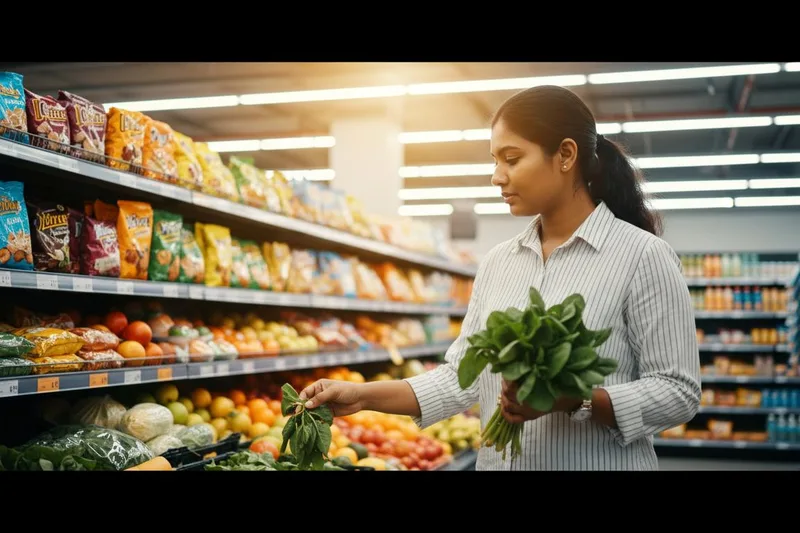
The groceries we buy at the store every week, that is, the things we buy to eat, can greatly improve the health of our children. Not only that, but this also helps instill a good attitude towards nutritious food in children. However, when we go to the store and see all the colorful, delicious foods and sweet drinks, we may be filling our carts with things that lack nutritional value without even realizing it, right? Therefore, it is very important to be a little careful about this.
Should we make a list before going to the store?
If you write down the items you need to buy before you go to the store, you can significantly reduce the number of things you buy that you don’t need. Imagine how much easier it would be if you planned your meals for the entire week and only wrote down the items you needed on the list. Then you can prioritize nutritious foods like fresh vegetables, fruits, lean meats, poultry, fish, whole grains, and low-fat dairy products .
When preparing food for your family, consider the following:
- Include vegetables and fruits in your daily meals. Make it a habit to give them to your children.
- Reduce your intake of sugary drinks such as sodas and fruit drinks. Even homemade fruit juices should be made with less sugar.
- When cooking, try using vegetable oils, such as olive oil or canola oil, instead of butter, margarine, or lard .
- When choosing bread, cereals, pasta, and rice, choose whole-grain breads instead of refined-grain breads . For example, choose whole-wheat bread or atta bread instead of white bread.
- When choosing milk and dairy products, choose nonfat or low-fat ones .
- Try to include more fish in your diet, at least two or three times a week.
- Reduce the amount of salt you add to your food as much as possible. Instead, use other spices to add flavor.
Besides vegetables and fruits, what else would you add to the list?
Okay, so vegetables and fruits are on your list now. What other good things can we add? Let's see.
Protein-rich foods
Protein is very important for the body. Choose fish (fresh, frozen, and canned - especially salmon and mackerel), skinless chicken, turkey, lean cuts of beef and pork. If you don't eat meat, tofu, cooked legumes (for example, chickpeas, lentils, peas, and green beans), nuts and seeds, and eggs are good sources of protein.
Grains and Cereals
Choose whole-grain breads, tortillas, pasta, and cereals. Also , oatmeal, brown rice, bulgur/cracked wheat, barley, and quinoa are great. They are also good sources of fiber.
Milk and dairy products (Dairy)
As mentioned earlier, choose low-fat or nonfat milk, yogurt, and cheese . You can also choose calcium-fortified milk alternatives, such as almond milk or soy milk.
Let's walk on the right path even when walking in the supermarket!
If you're shopping at a supermarket, start your shopping in the outer aisles as much as possible. This is where most of the healthiest items, such as vegetables, fruits, dairy products, and fresh meat and fish, are usually located.
Then head to the inner aisles. There are also important items like canned and frozen vegetables, cereals, and cake ingredients. However, these inner aisles are where the unhealthy foods and snacks are most often found . Therefore, it is best to go to these aisles towards the end of your shopping. If possible, it is best to avoid the snack aisles where you can find things like biscuits and chips in colorful packets.
How to choose the best vegetables and fruits? How to bring them home and store them?
Whenever possible, choose vegetables and fruits that are in season . That way, the taste is better and the quantity is less. Go to your local farmer's market or a small roadside shop . That way, you can buy fresh things from our own farmers. But, don't buy too much that you can't use before it goes bad, right?
A good way to teach children about these things is to take them to a farm or orchard and let them pick their own fruit . It will be a new experience for them, and it will also get them interested in food.
Okay, if we didn't pick them ourselves, how do we know if the vegetables and fruits we buy at the store are fresh? From a bean pod to a papaya, every vegetable and fruit has clues about their ripeness and freshness .
- When choosing vegetables, choose ones that are fresh and look good . Most vegetables should be firm to the touch. Avoid those that are wilted, bruised, or show signs of spoilage.
- When choosing fruit , avoid any that have bruises . But remember, sometimes what looks good on the outside may not be in the best condition on the inside.
- If stored properly , fresh fruits and vegetables can be kept for a long time. Some vegetables can be kept in the refrigerator for a few days. Root vegetables like cabbage and carrots can be kept even longer. Store potatoes and onions in a cool, dark, and airy place . Use fruits and vegetables that wilt or spoil quickly first. Keep those that can last a little longer.
Let's also learn about frozen and canned vegetables and fruits.
Fresh fruits and vegetables are delicious. However, frozen and canned fruits and vegetables are also very convenient . They can be stored for a long time, and their nutritional value is just as good as fresh ones . Many people think that canned and frozen fruits are not good, but that is not the case if you choose them correctly.
The most important thing is to choose products that are free of sauces and added sugar . If you are buying canned fruit, check the label to choose those that are packed in juice instead of in sugar syrup .
Remember: Just as you wouldn't buy a bruised fruit, don't buy a frozen vegetable package if it's torn, the box is wet, or the packaging is torn. When buying canned goods, never buy a can that has a big dent, looks swollen, or leaks .
You should also allow room for a little treat, right?
When you're trying to get everyone in your family to eat healthy , you might think that you need to ban all sweets and snacks all at once. However, suddenly cutting out sweets and snacks that your kids love can backfire . If your kids think, "Oh, we're not going to let them eat these," they may be tempted to sneak in more of the forbidden foods when they're out and about.
So, it's important to strike a balance, not to impose strict rules or allow them to eat whatever they want . Avoid saying things like 'this is bad food' and 'this is good food' as much as possible. Instead, let your child choose a snack from time to time, either at the store or at home . For example, a child who loves chips can choose a lower-fat bag of chips and a bottle of salsa from the store. When they get home, they can enjoy two small bowls with chips and salsa!
So, let's remember what we talked about, shall we?
Simply put, being a little careful when shopping can go a long way in helping you and your family stay healthy .
- Make a list before you go shopping. This will help you avoid buying unnecessary things.
- Prioritize things like fresh vegetables, fruits, whole grains, lean meats, and low-fat dairy products .
- At the supermarket, look at the outer shelves first, then move on to the other ones. Stay as far away from the snack aisles as possible.
- When choosing fruits and vegetables , make sure they are fresh and store them properly.
- If you buy frozen or canned foods, choose those that do not have added sugar or sauces.
- Allow for a small treat every now and then. Don't go around banning everything.
The most important thing is to talk to your children about these things and involve them in these choices. Then they will also get used to good eating habits at a young age! Wishing you all good health!
` Healthy food, grocery shopping, nutritious food, children's nutrition, healthy lifestyle, food list, fresh vegetables and fruits


💬 Comments (0)
No comments yet. Be the first to share your thoughts here.
Add Your Comment