
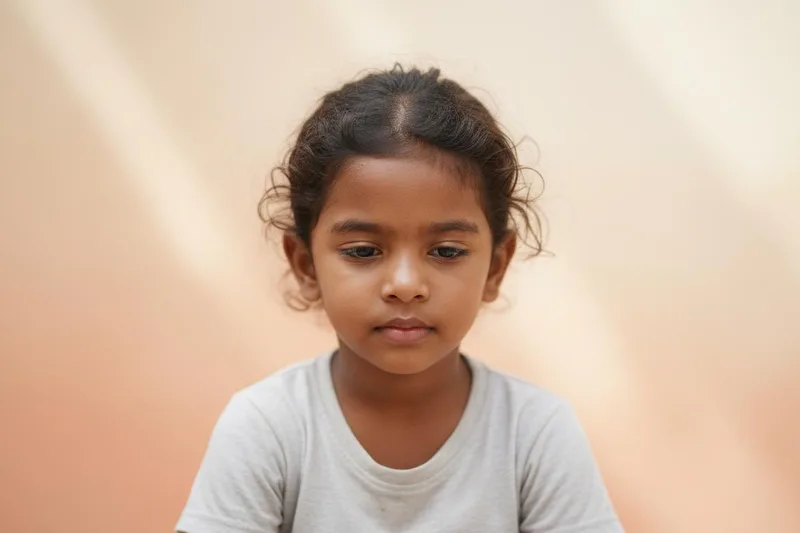
It's really normal for every child to feel lonely and isolated at some point in their life. It's not a big deal. But, as a mother or father, you can teach your child some important skills that will help them deal with this loneliness, connect with others, and stay connected. We call these social connection skills . These are very important for a child's mental health.
So, today we're going to talk about three ways you can help your child build these social skills. These are very simple things, but the results are very high.
1. First, connect well with your child!
This is the most important thing. Talk to your child every day, at least for a few minutes, and find time to spend with them. Think about it, a child who comes home from a hard day at school expects a little love and attention from you, right?
- It could be small talk: "How was school today, son/daughter?" "What was special today?" "Who was your best friend today?" Ask simple questions.
- Listen carefully to what your child is saying: Instead of looking at your phone or watching TV, look at your child and listen to what he or she is saying with your full attention . As if you were talking to a small person.
- Look into the eyes, smile, and hug: These little things can make a child feel very comfortable and secure. Your warm hug can erase many of the sadness in a child's heart.
- Make them feel that you are always there for them: Give your child the feeling that "Mom and Dad are with you no matter what the problem is." Then they will come closer to you instead of having to deal with problems alone.
Over time, your child will learn that one of the best ways to cope with loneliness is to think about someone they already know, which means thinking about you and talking to you. This will feel like a safe haven to them.
Imagine, if you set aside 15 minutes a day, sit with your child, and listen to what he has to say without any interruptions, how much of a bond it will create between you? Maybe the child will share with you a small problem or joy that he faced that day. That will free his mind and build a lot of trust in you.
2. Should we help our child make healthy friendships?
Friends play a big role in a child's life. Having good friends reduces loneliness to a great extent. So, you can help your child build good, healthy friendships .
- Talk to your child about friends: Ask questions like, "Who is your son/daughter's favorite friend?" "Why do you like him/her so much?" "What do you like to do with him/her?" and get to know your child's inner friends and those friendships.
- Teach me how to make friends:
- Be kind, be fair: teach them how to help others, how to share their toys, and how to treat everyone equally.
- Include others in the game: If you see someone alone, invite them to join you in the game.
- Take Turns: Practice giving everyone a chance when playing and talking, and being patient until your turn comes.
- Listen carefully: When a friend is talking, listen carefully and try to understand him/her.
- Good Sport: Whether you win or lose, accept it with joy, teach others to congratulate you, and encourage them to try again without getting angry.
- Teach your child to speak up for themselves and others: If someone is doing something wrong or if they are being treated unfairly, teach them to speak up against it, and if they see someone else being treated unfairly, teach them to stand up for them. This will build their self-confidence .
When children feel like they are part of a family, a group of friends, or a community, they feel much less lonely. They feel, "I am not alone, there are people who care for me and love me."
Simply put, a friend is like another window into a child's world. Through that window, they see new things, learn, and are happy. So it's your responsibility to help keep that window clean and beautiful.
3. Teach your child to help others, be kind, and show gratitude.
Helping others, being kind, and expressing gratitude for even the smallest things can bring great joy and satisfaction to a child. These things also strengthen social relationships and reduce loneliness.
- Show children how to help:
- At home: Get your child used to helping you with small tasks. For example, putting away his toys, helping him carry the dishes to the table, or watering a flower plant.
- At school: Things like giving a friend a pencil or eraser if they don't have one, doing a little favor for the teacher.
- In society: You can set a big example with small things like giving a dog or cat some food on the street, or helping an elderly person cross the road (under your supervision).
- Teach them to be kind: Help others in their sorrows and troubles, teach them to be kind to others. Teach them to be kind to animals.
- Teach others to thank you: Even if someone does a small favor or gives you a gift, practice saying "thank you." This will teach your child the valuable quality of gratitude .
- Be a good role model yourself: When your child helps you or does something kind, thank them. Say, "Thank you, son/daughter, for helping me." Then your child will understand how good this is.
When a child helps someone else and sees a smile on that person's face, the child feels incredibly happy. They feel like "someone is happy because of me." That's the real gift they get. Things like this make them feel connected to society, and loneliness gradually disappears from them. Because, everyone likes people who are kind and helpful to others, and they feel less lonely.
What to do if your child's loneliness seems a bit serious?
Often, children and teenagers cope well with their loneliness on their own, with the help of a parent or a good friend. However, when they find a way to connect with someone, to feel accepted, to feel understood, or to remember that they are part of this community, that feeling of loneliness gradually fades.
However, sometimes this feeling of loneliness can be profound and can be difficult for a child to deal with. If the loneliness lasts for a long time, or if you feel like your child is lonely all the time , it is important to talk to your child's doctor about it. Perhaps your child can find strength and strategies to cope with this situation by talking to a therapist or other mental health provider . It is not something to be ashamed of, just like taking medicine for a physical ailment.
Remember, a child's mental well-being is just as important as their physical well-being. So, if you suspect that your child is experiencing a mental health issue, never hesitate to seek professional help.
So, what is the message we take home from this story?
Okay, so the most important thing for you from what we've talked about today is that the best solution to a child's loneliness is to give them love, care, and the skills they need to connect with others.
- Build a strong bond with your child.
- Help them build good, healthy friendships.
- Teach them to help others, be kind, and be grateful.
With these simple, everyday things, your child will overcome loneliness and grow up to be a happy, social, and mentally strong person. That's the biggest dream of every mother and father, right? So, start doing these little things today. Both you and your child will feel great!
` Children's loneliness, social relationships, mental health, parenting advice, friendship, kindness, raising children


💬 Comments (0)
No comments yet. Be the first to share your thoughts here.
Add Your Comment