

When your child takes a sudden tumble or bumps their head while playing, a wave of worry instantly hits your heart. Even if it seems minor, wondering whether something serious might be wrong is completely normal. Most minor bumps result in little more than a small bruise or scrape, but harder impacts can sometimes cause a concussion.
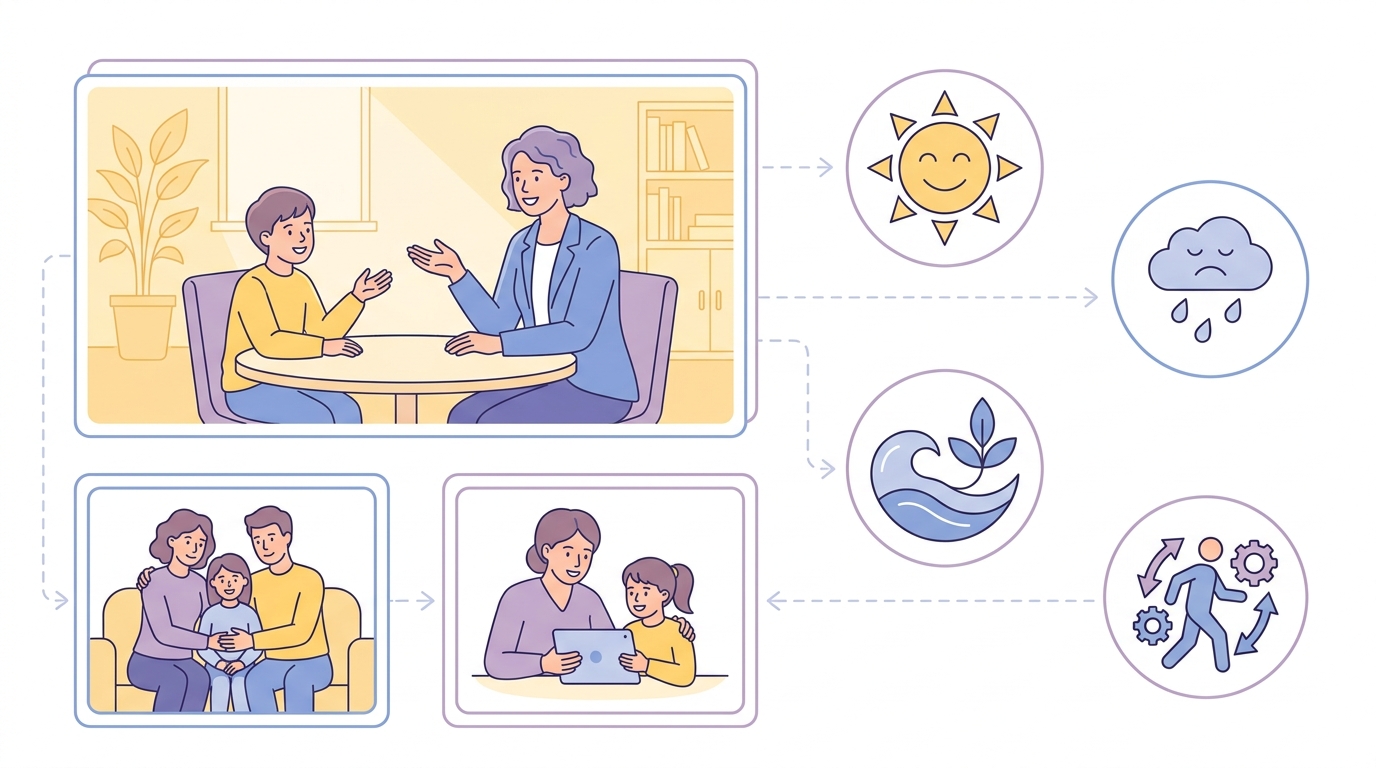
Today, we will talk about what a concussion actually is, how your child can recover safely, and when and how they can return to school. Understanding these steps will help you support your child with confidence and peace of mind.
Key Takeaways for Parents.
- A concussion is a temporary type of brain injury caused by a jolt or blow to the head.
- Loss of consciousness does not always happen during a concussion.
- Resting the brain first is essential before returning to schoolwork or screens.
- Collaboration with teachers and school nurses ensures a smooth transition back to the classroom.
- Every child heals at their own pace, so patience and medical guidance are vital.
What is a Concussion? Let Us Understand It Simply.
Simply put, a concussion is a temporary injury or effect on the brain. When the head takes a strong hit or moves violently, the brain shifts back and forth inside the skull. Imagine shaking a water bottle and watching the liquid splash around inside. That is similar to what happens to the brain during a hard impact.
This jolt can temporarily disrupt normal brain cell activity or cause mild injury to the cells. The most important thing to remember is that a concussion does not always cause a person to black out or lose consciousness. Often, a child might only feel slightly dizzy or confused for a few short minutes. Never assume a head injury is safe just because consciousness was maintained.
Common Symptoms of a Concussion.
Concussion symptoms can vary greatly from one child to another. Some children feel better within a few days. This others experience symptoms for several weeks or even a month.
- Headache: This is the most common sign reported by children and teens.
- Dizziness: Children may feel unsteady or report that their head feels light.
- Nausea or Vomiting: An upset stomach or throwing up often occurs shortly after the injury.
- Vision Changes: Eyes may feel strained, or vision can become blurry.
- Tinnitus: Some kids report hearing ringing or buzzing noises inside their ears.
- Fatigue: A deep sense of tiredness and constant sleepiness can set in quickly.
- Trouble Concentrating or Remembering: Reading text might become hard, or recent facts may slip away.
- Sensitivity to Light and Sound: Bright lights and loud noises can feel painful or overwhelming.
- Sleep Disturbances: Children may struggle to fall asleep or sleep much more than usual.
- Mood Changes: Irritability, sudden sadness, or anxious behavior can appear without clear reason.
These signs can appear right away or develop slowly over several hours or days. Watching your child closely for a few days after any head bump is vital.
When and How Can Your Child Return to School After a Concussion?
This is often the biggest question parents ask after a head injury. Let us look at the answer carefully.
Following a concussion, your child usually needs two to three days of good rest. This rest is not just about staying in bed. It means giving the brain a break from intense stimulation. You should limit television watching, phone usage, video games, and heavy school tasks during this initial recovery window.
Once your child's symptoms start to fade and they can comfortably handle thirty to forty-five minutes of light activity—about the length of a single school period—doctors often approve a return to school. However, you must always make this decision under direct medical supervision.
Important Safety Note: Even when your child returns to class, keep them away from sports, gym classes, and any activity where another head bump could happen. You must wait for official medical clearance before allowing them to resume physical play. A second impact before the first concussion heals fully can cause severe and lasting harm.
How Does a Concussion Affect Learning?
Most children returning to school after a concussion transition smoothly without major issues. However, some students may face specific learning hurdles while their brain finishes healing:
- Persistent Headaches: Ongoing head pain makes it difficult to focus on daily lessons.
- Blurred Vision: Reading textbooks or looking at classroom boards can cause eye strain.
- Mental Fatigue: Children may feel exhausted by midday and lose focus in class.
- Memory and Attention Issues: New instructions may not stick easily, and recalling past lessons can take extra effort.
- Light Sensitivity: Harsh classroom lights or outdoor glare can trigger discomfort.
- Frustration and Mood Swings: Struggling with schoolwork can cause sadness or quick anger.
Remember that these challenges are temporary. Proper rest and steady support will help these symptoms fade away safely.
What Kind of Support Can the School Provide?
Getting support from the school is crucial when your child heads back to class. Begin by asking the school administration if they have a specific concussion management policy in place.
Next, bring together a support team. This team can include you, your child, the treating doctor, teachers, the school principal, the school nurse, and a speech pathologist or psychologist if needed. If your child plays school sports, include their athletic coach as well.
| Support Strategy. | How It Helps Your Child. |
|---|---|
| Shorter School Days. | Attending for just a few hours initially prevents mental exhaustion. |
| Scheduled Rest Breaks. | Stepping away to rest during class helps keep headaches manageable. |
| Workload Adjustments. | Postponing heavy exams and reducing homework gives the brain time to heal. |
| Classroom Accommodations. | Allowing sunglasses for light sensitivity or providing clear notes reduces stress. |
While formal legal plans like a 504 plan or an Individualized Education Program exist in certain regions, every school can implement tailored support. The primary goal is understanding your child's unique needs and adapting the learning pace accordingly.
What Should You Do If Symptoms Return or Worsen at School?
Imagine your child calls or tells you that their headache or dizziness flared up while at school. When this happens, your child should right away notify their teacher or the school nurse. Taking a quiet resting break for a few minutes often helps them feel ready to try again.
However, if these symptoms persist or grow worse, you may need to reduce their school hours further, scale back assignments, or seek extra help. If your child has been back in school for two weeks and still struggles to handle daily class activities, schedule a follow-up appointment with your doctor right away.
How Can You Help As Parents?
As your child recovers from a concussion, your love, patience, and steady encouragement mean everything. Children often feel frustrated during this period. They might wonder why this happened to them or feel upset that they cannot keep up with normal routines. Some children even feel embarrassed about receiving special attention.
In these moments, talking with a professional school counselor or child psychologist can offer great relief. Remind your child that following medical advice is the fastest path back to their favorite activities. Healing takes time, and rushing the process will only slow things down.
Remember: Every child recovers at a completely unique speed. Avoid comparing your child's progress to others. Give them the time and backing they need to heal completely.
When to Seek Emergency Medical Care.
Call 911 (US/Canada), 999 (UK), or go to the nearest Emergency Department right away if your child shows any of these red flag symptoms:
- Worsening headache that does not go away.
- Repeated vomiting or severe nausea.
- Extreme drowsiness, inability to wake up, or confusion.
- Slurred speech, weakness, numbness, or poor coordination.
- Seizures or convulsions.
- Fluid or blood draining from the nose or ears.
Take-Home Message.
Let us review the most important points from our guide today:
- A concussion is a temporary brain impact that requires serious attention and care.
- Rest is the number one priority during early recovery before easing back into regular routines.
- Always follow medical guidance before letting your child return to sports or high-risk play.
- Partner closely with your child's school to create a supportive learning plan.
- Validate your child's emotions and offer plenty of love and reassurance.
- Most children make a full recovery with time, patience, and proper care.
We wish your child a smooth and speedy recovery!
A Note from Nirogi Lanka.
Navigating a child's head injury can feel overwhelming, but patience and structured recovery make all the difference. Always prioritize medical evaluation, keep open communication with your school teachers, and support your child with empathy and understanding every step of the way.


💬 Comments (0)
No comments yet. Be the first to share your thoughts here.
Add Your Comment