
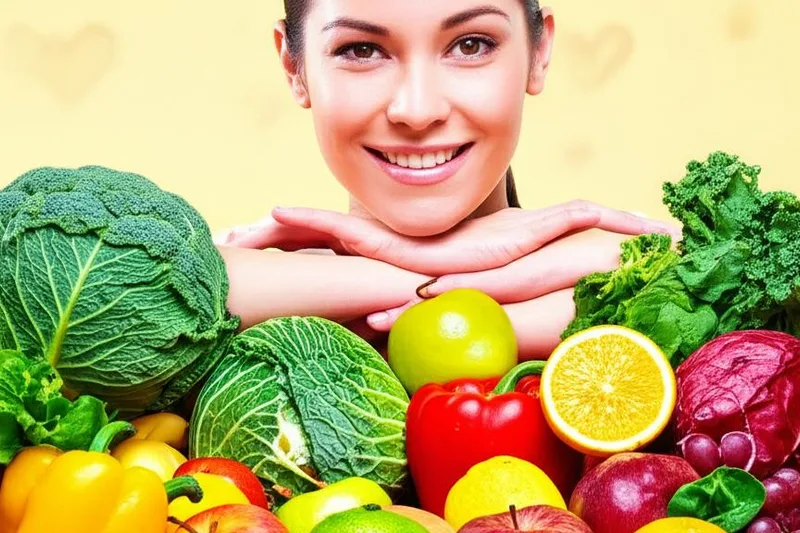
When we talk about cholesterol, we all get a little scared, don't we? We know that if the so-called "bad cholesterol" increases, it can build up in the blood vessels and obstruct the flow of blood to the heart and brain. So, as a solution to this, what effect would it have on staying away from meat and fish and eating more vegetables and fruits? A recent study has found some very important information about this. Let's talk about it simply.
What did this research actually find?
This is not just one study. It is a large analysis that combines the results of 30 small studies conducted over a period of 40 years, from 1982 to 2022. Simply put, the conclusions drawn from this are very strong.
In this study, participants were divided into two groups, one group was given a typical omnivorous diet that included meat, fish, dairy, and plant-based foods. The other group was asked to completely avoid meat, that is, eat only plant-based foods (vegetarian or vegan) . After about 7 months, the blood fat levels of both groups were tested.
The results really surprised many people.
What are the benefits of eating a plant-based diet?
Those who followed a plant-based diet had significantly lower levels of bad fats in their blood than those who ate meat and fish. Let's see how that works.
| Blood Fat Type | Decrease in people eating plant-based foods |
|---|---|
| Total Cholesterol | A decrease of 7% |
| "Bad" cholesterol (LDL Cholesterol) | A decrease of 10% |
| Apolipoprotein B (ApoB) | A decrease of 14% |
Now you're probably wondering what this apolipoprotein B (ApoB) is. It's the main protein found in "bad" cholesterol (LDL) molecules. Elevated levels of this ApoB in the blood are a good indicator of an increased risk of clogged blood vessels and heart disease and stroke.
However, no significant difference was seen between the two groups in the levels of triglycerides , another type of fat linked to heart disease.
"According to these results, following a plant-based diet can reduce all lipoproteins that clog blood vessels by 14%. This is about a third as effective as statin drugs that lower cholesterol," says the lead physician of the study.
That means that if someone follows a plant-based diet for five years, they can reduce their risk of developing cardiovascular disease by 7%. Imagine, that kind of result from food alone, without medication!
However, not all plant-based diets are the same!
Here's the most important thing we all need to understand: "Vegetarian" doesn't mean everything is good.
Imagine, if you don't eat meat, but you eat bread, biscuits, sweet drinks, and deep-fried foods (like lentil vadas, papadums, and rolls) all day long, it's not good for your heart. That's called an unhealthy plant-based diet . Because they are high in refined carbohydrates, artificial sugars, oil, and salt.
So what is a "healthy plant-based diet"?
That means giving more space on your plate to things like:
- Fresh vegetables and herbs
- Fresh fruit
- Whole grains (red rice, oats, millet)
- Flaky nuts (chickpeas, peas, green beans, soy)
- Nuts and seeds (cashews, peanuts, pumpkin seeds)
So do we have to stop eating meat and fish completely?
No, it's not mandatory. Experts say that if you're having trouble giving up meat and fish completely, there are good alternatives.
That's the Mediterranean-style diet . It consists of:
- Eat plenty of fresh vegetables, fruits, grains, and nuts.
- Fish and eggs are preferred for protein needs.
- Use low-fat dairy products.
- The use of red meat is very limited.
There is evidence that this diet can also help control cholesterol and blood pressure, reduce inflammation in the body, and control blood sugar levels.
Is it enough to control only food? Are there no effects of genes?
This is also a very important point. Some people have genes that cause their cholesterol levels to increase. That is, their liver naturally produces more cholesterol. It may be difficult for such a person to reduce their cholesterol levels to the desired level through diet alone.
That's why doctors prescribe medications like statins for some people. These medications control cholesterol production in the liver.
So if your cholesterol levels are high, it's important to switch to a healthy diet. But at the same time, taking the medication your doctor prescribes exactly is also essential for your safety. The best results are achieved when both diet and medication go together.
Take-Home Message
- Switching to a healthy plant-based diet (vegetarian/vegan) can significantly reduce "bad" cholesterol (LDL) and the risk of heart disease.
- But, not everything that says 'vegetarian' is good. Avoid processed, oily/salty/sugary foods. Give priority to fresh vegetables, fruits, whole grains, and nuts.
- You don't have to completely give up meat and fish. The Mediterranean diet, which reduces meat consumption and increases fish and vegetables, is also a great option.
- There is also a genetic influence on cholesterol levels, so it is very important to take the medication prescribed by your doctor as prescribed, while changing your diet.
- Before making any major changes to your diet, talk to your doctor for advice, especially if you have other medical conditions like diabetes or high blood pressure.


💬 Comments (0)
No comments yet. Be the first to share your thoughts here.
Add Your Comment