
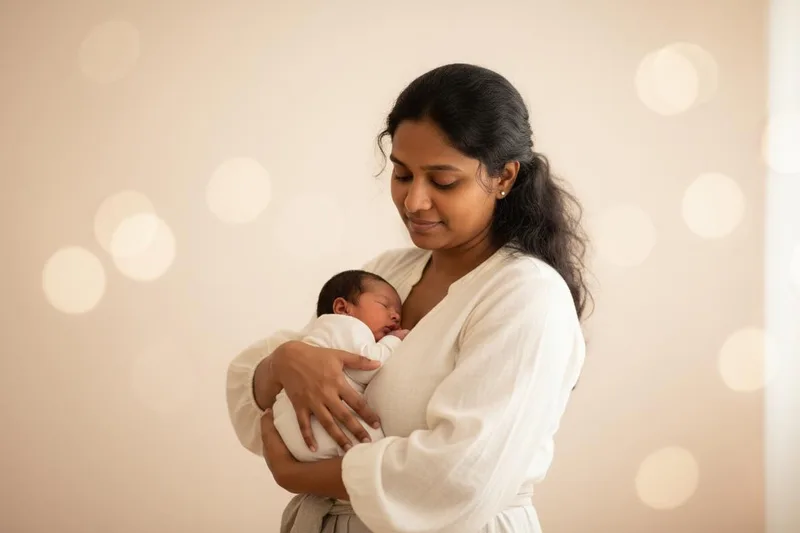
You've just brought a new baby into the world! Isn't that a big, happy thing? But after having a baby, your body and mind go through a lot of changes. This is what we call the postpartum period, or the time after giving birth. It's important for you to be well-informed about this.
What is postpartum? Simply put...
Simply put, the postpartum period is the time after you have your baby. This is often considered the first six to eight weeks, when your body is largely back to its pre-pregnancy state. However, the symptoms and changes that occur during this time can sometimes last longer than eight weeks.
During this time, your body and your life will go through a lot of changes. Some of the changes are physical - for example, your breasts will swell with milk, and your vagina will start to bleed. Others are caused by hormonal changes . Giving birth to a baby is a huge challenge, both physically and mentally. Then, taking care of your newborn and adjusting to this new life can be a daunting task.
Pay attention to how you feel after having a baby. Don't forget to tell your doctor if you feel anything strange or different. Just because you have a baby doesn't mean you should stop taking care of your health, it's very important. While you're taking care of your baby, try to think about your rest and health.
Your doctor will give you dates for postpartum checkups. Be sure to attend them. This is when the doctor can monitor your recovery and how you are doing. They can also help identify any potential complications early. This is a good opportunity to ask any questions you may have and talk honestly about your recovery.
What happens to your body? (Postpartum recovery schedule)
Your recovery time, just like your pregnancy, is unique to you. Not everyone has the same schedule. However, there are some general things you can expect.
In the first few hours and days after your baby is born, you can expect:
- Your uterus needs to shrink back to its normal size. This can cause cramping and vaginal bleeding. Sometimes your doctor may massage your uterus on your stomach to help it shrink faster.
- Major changes in hormones. This can cause hot flashes, mood swings, and headaches.
- Breast engorgement. Your breasts are producing milk. Even if you are not breastfeeding, your breasts can become painfully swollen.
- Perineal soreness. If you have had a normal delivery, it is normal to feel pain in the area between the vagina and anus (perineum). About 70% of women experience some degree of vaginal tearing during childbirth. For women who have had a C-section, the area where the surgery was performed may be more painful for a few days.
- Swelling due to extra fluid. This is usually the body's way of getting rid of the fluid that builds up during pregnancy. This swelling should go down within a week. However, if the swelling is accompanied by chest pain or difficulty breathing, it could be a sign of something more serious.
- Fatigue. Childbirth and caring for your baby can make you feel more tired than you've ever felt before. It's normal to feel tired for a few days or weeks after having a baby. You'll feel better if you try to get as much rest as possible.
Did you know that there are three stages of postpartum?
Doctors divide the postpartum period into three main phases: the acute phase, the subacute phase, and the delayed phase.
- Acute phase: This is the first 6 to 12 hours after delivery. This is when conditions like eclampsia, postpartum hemorrhage, and some medical emergencies are most likely to occur. During this time, your medical team will monitor your blood pressure, heart rate, and blood volume, as well as look for any unusual swelling.
- Subacute phase: This phase starts about 24 hours after delivery and lasts about two to six weeks. Your body is still changing, but the risk of a medical emergency is low. During this time, doctors are concerned about symptoms such as cardiomyopathy, postpartum depression, and urinary incontinence.
- Delayed phase: This phase lasts from six weeks to about six months after giving birth. Changes during this period occur very slowly. The main thing is that your muscles and tissues return to the state they were in before pregnancy. During this phase, doctors may treat conditions such as pelvic floor dysfunction, painful sex, and uterine prolapse.
What are the common symptoms after having a baby?
After giving birth, you will experience a lot of changes. Many of these are natural changes caused by hormonal changes. These symptoms can be physical, emotional, or a combination of both.
Physical Symptoms
Postpartum physical symptoms affect your body – how it functions, looks, and feels. Here are some of the most common physical symptoms:
- Pain and soreness in the perineum (the area between the vagina and anus): This area stretches and sometimes tears during normal childbirth. For a few weeks after delivery, the entire perineum may be sore, swollen, and tender to the touch. Sitting on a pillow, washing the area with lukewarm water, and using a cold sanitary pad can help with this discomfort.
- Vaginal discharge: After you have a baby (even if you have a cesarean section), you will bleed from your vagina. This is called lochia . It starts out red, gradually turns brown, and finally stops as a light brown discharge. This entire process can take about six weeks. Remember, when you have vaginal bleeding after having a baby, use only a sanitary pad (do not use tampons).
- Uterine involution: This is the medical term for your uterus shrinking back to its pre-pregnancy size. This entire process can take about six weeks, but it starts right after your baby is born. When this happens, you may experience some afterbirth pains or cramping. The cramping usually subsides within a few days, but it may be more severe when you breastfeed your baby.
- Breasts full of milk and sore nipples: For at least a few days, and longer if you're breastfeeding, your breasts may be swollen and sore. Some people may need help from a lactation consultant to help with painful symptoms of breastfeeding, such as cracked nipples.
- Sweating: Your hormones are going through a lot of changes right after you have a baby. So, it's normal to sweat a lot, especially at night. This is a normal symptom and should subside in about a week or two.
- Constipation: Difficulty having a bowel movement after having a baby is a common symptom after delivery. If you had an epidural , it can slow down your bowel movements and make it difficult to have a bowel movement. Sometimes, constipation can also be caused by the fear of straining during a bowel movement. Some doctors recommend taking stool softeners after having a baby. Hemorrhoids are also common during this time.
- C-section recovery: If you have stitches from a C-section, it will take about ten days for the skin to heal. Deeper stitches placed on the inside can take about twelve weeks to fully heal. Watch for signs of infection, such as pus draining from the wound and a fever.
- Hair loss: Hair loss is also common after childbirth, and is often due to hormonal changes.
Emotional Symptoms
Postpartum symptoms are anything that affects your mood, stress, or the way you feel about your body in the weeks and months after having a baby.
- Baby blues: Baby blues are feelings of sadness and constant crying after having a baby. While these new feelings may surprise you, they usually go away in a few weeks.
- Postpartum depression: This is a depressive state that causes extreme sadness and hopelessness in the weeks and months after having a baby. Unlike the baby blues, this does not just go away. It is often treated with medication or behavioral therapy.
- Postpartum anxiety: Postpartum anxiety is the excessive worry that occurs after having a baby. It can also be accompanied by physical symptoms such as insomnia and increased heart rate. Postpartum depression and postpartum anxiety often occur together. This can also be treated with medication or behavioral therapy.
- Weight loss and body image: Your body went through a lot of changes during pregnancy and childbirth. It's normal to feel anxious about sagging skin, stretch marks, and extra weight around your hips or stomach. Take it easy and give yourself time to recover. You'll likely have lost 10 to 20 pounds by the time you leave the hospital. Focus on eating nutritious foods and taking care of yourself. Remember, your body has just gone through a big change.
What complications can occur during this time? (Things to watch out for)
Some health conditions can start after you have your baby. Your medical team will monitor you in the hours and days after your baby is born to watch for these serious conditions. Some symptoms are normal after you have your baby, but others could be a sign of a problem.
These are some of the most serious conditions that can occur after childbirth:
- Postpartum hemorrhage
- Postpartum preeclampsia
- Blood clot in a deep vein (Deep vein thrombosis - DVT)
- Pulmonary embolism (blood clot in the lungs)
- Mental health conditions such as postpartum rage or postpartum psychosis
- Sepsis (an infection that spreads throughout the body)
The best thing you can do for your health after having a baby is to listen to your body. If you feel like something isn't right, please see your doctor. Don't wait until your postpartum check-up with questions or concerns. Your recovery and overall health are important to your doctors, too.
How do you take care of yourself after having a baby?
The most important thing you can do for yourself after having a baby is to take time to rest and heal. This may not be as easy as it sounds, but getting enough rest will give your body and mind time to heal. Ask for help when you need it. This could mean limiting the number of visitors you have, asking for help with babysitting, or asking for help with household chores, such as cooking.
Aside from resting, here are some other ways you can take care of yourself in the weeks after having a baby:
- Nutrition: Drink plenty of water and try to eat healthy foods like lean protein, fruits, vegetables, and whole grains. Drinking plenty of water can also help with constipation.
- Caring for your perineum: If you had a vaginal birth, you may have some pain for a few weeks. Your doctor may have given you some tips to help you care for your perineum at home. Using a Peri bottle with lukewarm water after using the toilet, and using witch hazel pads (pads soaked in a special herbal solution) can help your perineum feel better.
- Limiting physical activity: Even if you want to get back into your pre-pregnancy shape, don't rush into exercising or getting in shape. Your doctor will tell you when it's safe for you to exercise. Most people can start walking and doing light exercises within a few days after having a baby. Those who have had a cesarean section may need to wait a little longer. When you are able to exercise, start slowly so you don't accidentally injure yourself.
- Mental health support: Don't be afraid to ask for help, and be patient with your feelings. The postpartum period can be challenging in many ways. If you're feeling sad, overwhelmed, anxious, or stressed, talk to a friend, your partner, or your doctor about it. There are many resources available to support you.
When should you see a doctor? (Watch out for these symptoms!)
Some symptoms after giving birth can be a sign of a problem. You shouldn't ignore your symptoms or be embarrassed to talk about how your recovery is going. If you have any concerns about your recovery or how you're feeling, the best thing to do is see your doctor.
Here are some of the features you should look out for:
- Heavy vaginal bleeding. This usually means soaking a pad every hour for several hours. Or, bleeding that increases rather than decreases day by day.
- Passing several large blood clots. A large blood clot is usually larger than a coin. Passing one large blood clot is okay, but passing many can be a sign of a problem.
- A fever of more than 101 degrees Fahrenheit (38 degrees Celsius).
- New pain or increased pain. You want it to get better over time, not get worse.
- Vaginal discharge with a foul odor.
- Pain in the legs or ankles, especially with swelling.
- Pus or blood-tinged discharge from the caesarean section wound.
- Dizziness or vision changes.
- Severe and persistent headache.
- Chest pain or difficulty breathing.
If you have thoughts of harming yourself or your baby, please call an emergency medical service immediately (e.g. 1990 Suwaseriya) or call the national mental health helpline number 1926.
The most important thing to keep in mind (Take-Home Message)
The postpartum period is a time of change and adjustment . It's often not talked about much, so you may feel lonely and unprepared. But remember, you're not alone! While pregnancy may seem to get the most attention, the postpartum period is just as important. You're learning to deal with a lot of changes, both physically and mentally, and you're also trying to adjust to life with a newborn.
Some symptoms after giving birth are to be expected and nothing to worry about. However, others can be signs that something else is going on. As you adjust to this new life , be kind to yourself, prioritize your well-being as much as possible, and seek support from your doctor if needed. Even if you feel fine, it's important to attend all your post-delivery check-ups. This will allow you to ask questions and help your doctor identify any problems that may arise.
` Postpartum care, postpartum period, postpartum recovery, maternal health, after having a baby, hormonal changes, mental health


💬 Comments (0)
No comments yet. Be the first to share your thoughts here.
Add Your Comment