

Has your Primary Care Physician (PCP) or family GP recently told you that there is too much potassium in your body? Or perhaps you have been advised to watch your intake because of a kidney condition or blood pressure medication. When excess potassium builds up in your bloodstream—a medical condition we doctors call hyperkalemia—it can quietly put serious strain on your heart.
To bring those levels back down safely, one of the most effective treatments we prescribe is a potassium binder. Have you ever wondered how a simple powder mixed into a glass of water can clear extra minerals out of your blood? Let's walk through how these medications work, when you need them, and how to use them safely in everyday life.
📌 Key Takeaways at a Glance
- What it does: A potassium binder acts like a selective magnet in your gut, trapping excess potassium so it leaves your body in your stool instead of entering your bloodstream.
- Target lab range: Healthy adult blood potassium sits between 3.5 and 5.0 mmol/L; anything higher is hyperkalemia, and levels above 6.5 mmol/L require urgent medical care.
- Heart protection: Keeping potassium steady prevents dangerous heart rhythm changes (arrhythmias) and helps kidney or heart patients stay on vital protective medications.
- Timing matters: Always space potassium binders at least 2 to 3 hours apart from other oral medicines so they do not block absorption.
What Exactly Is a Potassium Binder and How Does It Work?
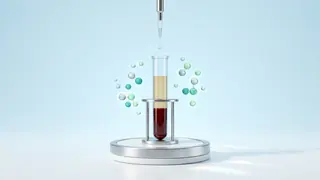
A potassium binder is a prescription medication that lowers excess potassium in your body (hyperkalemia) by acting like a magnet inside your digestive tract. It attaches to extra potassium from food and digestive fluids in your intestines, preventing absorption into your bloodstream so your body safely eliminates it in your stool.
Think about it for a second—most medications work only after dissolving into your bloodstream. Potassium binders do the exact opposite. Instead of entering your circulation, they stay right inside your stomach and intestines. As digested food and fluids move through your bowel, the binder grabs onto positively charged potassium ions and locks them down.
Once bound, that potassium cannot cross the intestinal wall into your blood. Instead, it travels smoothly through your digestive tract and exits naturally when you have a bowel movement. Pretty clever, right? By quietly intercepting excess potassium in your gut, these medicines lower your overall blood potassium level without putting extra workload on weakened kidneys.
Why Is Potassium So Important for Your Body—and When Does Too Much Become Dangerous?
We rarely stop to think about potassium until a routine blood test flags it, do we? Yet potassium is one of the hardest-working minerals in your body. It functions as an essential electrolyte—meaning it carries a tiny electrical charge when dissolved in body fluids—to keep several vital systems running every second:
- Muscle contractions and heartbeat: Every single muscle in your body, including your heart muscle, relies on a precise balance of potassium to contract and relax smoothly.
- Nerve signaling: Potassium helps carry rapid electrical messages between your brain, spinal cord, and peripheral nerves.
- Cellular nutrition: It helps shuttle nutrients into your cells while clearing cellular waste products out.
- Blood pressure balance: Healthy potassium levels counterbalance dietary sodium (salt), helping relax blood vessel walls.
Normally, you absorb potassium from everyday foods like bananas, potatoes, tomatoes, avocados, spinach, and beans, and your kidneys act as smart filters that flush any surplus out in your urine. Look at what happens when your kidneys slow down due to chronic kidney disease, dehydration, or certain heart medications: excess potassium cannot exit through urine fast enough. It backs up in your bloodstream, disrupting your heart's electrical wiring and potentially triggering life-threatening irregular heartbeats.
What Is a Healthy Blood Potassium Level vs. Hyperkalemia?
Be honest—have you ever glanced at a lab printout from your family GP or PCP clinic and wondered what those decimal numbers actually mean? For adults, a healthy blood potassium level sits within a remarkably narrow window: 3.5 to 5.0 millimoles per liter (3.5–5.0 mmol/L) (which is identical to 3.5–5.0 mEq/L on North American lab reports).
Any reading above 5.0 mmol/L is diagnosed as hyperkalemia. We doctors typically group elevated readings into three practical tiers:
- Mild hyperkalemia (5.1 to 5.9 mmol/L): Often causes zero noticeable symptoms and is usually discovered during routine blood work.
- Moderate hyperkalemia (6.0 to 6.4 mmol/L): Carries a growing risk of electrical disturbances on an electrocardiogram (ECG / EKG) and requires prompt medical treatment.
- Severe hyperkalemia (6.5 mmol/L or higher): Represents a true medical emergency because it can abruptly destabilize heart rhythm.
What makes high potassium particularly tricky is that you can feel completely fine even as levels climb. That is why routine blood monitoring is essential if you live with kidney disease, diabetes, or heart failure.
When Do Doctors Prescribe Medications to Lower Potassium?
We doctors do not jump straight to prescription binders for every borderline lab test. Often, adjusting your eating habits—such as cutting back on high-potassium foods and hidden potassium-chloride salt substitutes—or tweaking other medications is enough. However, when blood potassium stays stubbornly high despite dietary changes, a potassium binder becomes an essential safeguard.
In fact, one major reason we prescribe modern binders is to help patients with kidney or heart disease stay safely on life-saving blood pressure medications—like ACE inhibitors or ARBs—that might otherwise raise potassium levels. You must never take a potassium binder without a doctor's prescription, as lowering potassium too far (hypokalemia) is equally risky for your heart. Depending on your health profile, your doctor may prescribe one of four main options:
- Patiromer (brand name: Veltassa®): A gentle, sodium-free polymer powder often chosen for ongoing management in people with chronic kidney disease or heart failure.
- Sodium zirconium cyclosilicate (brand name: Lokelma®): A fast-acting crystalline powder that selectively traps potassium in exchange for hydrogen and sodium ions.
- Sodium polystyrene sulfonate (brand name: Kionex® / Kayexalate®): An older resin medication still used in certain settings, though less favored long-term due to digestive side effects.
- Calcium polystyrene sulfonate (brand names: Resonium Calcium® / Kalimate®): A calcium-based resin used primarily in the UK, Canada, and Australia when avoiding extra sodium load is important.
How Should You Use a Potassium Binder Safely?
Remember how we talked about potassium binders acting like magnets in your gut? Because they bind minerals so effectively, taking them properly makes a huge difference in how well they work—and how well your other daily pills work too.
What Should You Tell Your Doctor Before Taking This Medicine?
Before taking your first dose, share a complete list of everything you take—including prescription drugs, over-the-counter pain relievers, antacids, daily multivitamins, and herbal supplements. Because potassium binders sit in your digestive tract, they can accidentally latch onto other oral medications (such as thyroid hormone pills, certain antibiotics, or blood pressure tablets) and stop your body from absorbing them. To prevent this, we doctors generally advise spacing other oral medications at least 2 to 3 hours before or after your potassium binder, depending on the specific brand.
How Do You Mix and Take Potassium Binder Powder Properly?
Most potassium binders come as a fine powder in single-dose packets that you mix into a glass of plain water—never hot liquids, which can damage the medication's structure. Stir the mixture thoroughly until the powder disperses evenly, drink it right away, and then swirl a little extra water in the glass to drink any remaining residue. Some binders are taken with food while others work best before meals, so follow the exact label instructions from your pharmacist or clinic team.
How Long Will You Need to Take a Potassium Binder?
Your treatment timeline depends entirely on what is driving your high potassium. If a temporary issue—such as severe dehydration or a short-term medication interaction—triggered the spike, you might only need a binder for a few days or a 30-to-60-day course. On the other hand, if you have ongoing chronic kidney disease or heart failure, your doctor may recommend taking a potassium binder long-term as part of your daily routine.
What Are the Benefits and Side Effects of Potassium Binders?
The biggest benefit of taking a potassium binder is clear: it steadily clears excess potassium from your body and protects your heart from dangerous rhythm disturbances. Just as importantly, it allows many patients with heart failure or diabetic kidney disease to continue taking protective heart and kidney medications without interruption.
Like all medications, potassium binders can cause mild side effects—mostly centered in your digestive tract because that is where the medicine does its work. Common side effects include:
- Constipation or sluggish bowel movements (especially with older resin binders)
- Mild diarrhea or loose stools
- Abdominal bloating, trapped gas, or mild stomach cramping
- Heartburn or general indigestion
- Mild nausea or occasional vomiting
For most people, these digestive symptoms are mild and settle down as your body adjusts over the first week or two. What do you think—doesn't knowing what to expect upfront make starting a new medication much less stressful?
How High Potassium Levels and Side Effects Compare: What to Watch For
It is easy to confuse a mild medication side effect with a sign that your potassium is still too high. Look at how we doctors distinguish everyday digestive reactions from warning signs that need prompt attention:
| Symptom or Lab Situation | Clinical Explanation & Recommended Action |
|---|---|
| Mild bloating, gas, or slight constipation | Common digestive side effects caused by the binder powder moving through your intestines. What you should do: Mention it at your next PCP or family GP visit; never stop the medication abruptly without medical guidance. |
| Routine blood test showing potassium 5.1–5.9 mmol/L | Mild hyperkalemia that rarely causes physical symptoms yet requires steady control to protect your heart. What you should do: Take your potassium binder exactly as prescribed and attend your scheduled follow-up lab draw. |
| Persistent nausea, vomiting, or severe constipation | Severe gastrointestinal intolerance or bowel blockage risk—especially with older polystyrene sulfonate resins. What you should do: Contact your family GP clinic, PCP office, or local Urgent Care center the same day for evaluation. |
| Chest tightness, racing/skipping heartbeat, or sudden muscle weakness | Classic red-flag signs that severe hyperkalemia may be affecting your heart's electrical conduction. What you should do: Treat this as a medical emergency—call your local emergency number immediately or go to the nearest ER / A&E. |
When Should You Call Your Doctor About High Potassium or Side Effects?
Just like we mentioned a moment ago, high potassium rarely announces itself with obvious warning signs early on. Once you start taking a potassium binder, your blood potassium levels typically begin dropping within the first 24 to 48 hours, though reaching your full target range can take several days. Your doctor will schedule follow-up blood tests—often within a week of starting or changing your dose—to confirm your levels are landing safely in the 3.5–5.0 mmol/L zone.
You should call your PCP or family GP clinic promptly if you develop persistent stomach pain, severe constipation that lasts more than two days, ongoing diarrhea, or signs that your potassium might have dipped too low—such as unusual fatigue, leg cramps, or tingling sensations.
✔️ What You Should Do & ❌ What to Avoid
- ✔️ Do space out your medications: Leave at least a 2-to-3-hour gap between your potassium binder and other prescription pills, vitamins, or supplements.
- ✔️ Do check food and salt labels: Avoid low-sodium "salt substitutes" (like LoSalt or Mrs. Dash salt-free alternatives containing potassium chloride), which pack concentrated doses of potassium.
- ✔️ Do keep every follow-up blood test: Regular electrolyte panels let your doctor fine-tune your dose so your potassium stays neither too high nor too low.
- ❌ Do not mix powder with hot drinks: Always use room-temperature or cool water (or a doctor-approved juice) so heat does not break down the active binder.
- ❌ Do not take herbal laxatives or potassium supplements: Extra supplements or harsh laxatives can disrupt electrolyte balance and interfere with treatment.
🚨 When to Seek Immediate Emergency Care (Red-Flag Symptoms)
If you or someone near you develops any of these red-flag symptoms, do not wait — call 911 (US & Canada), 999 or 111 (UK), or 000 (Australia) immediately or go straight to the nearest hospital Emergency Room (ER / A&E):
- Chest pain, pressure, or tightness
- Heart palpitations (a fluttering, racing, pounding, or skipped heartbeat)
- Sudden, unexplained muscle weakness, heavy limbs, or numbness/tingling
- Shortness of breath, dizziness, or feeling faint
- Severe, uncontrollable nausea and vomiting
💡 Key Take-Home Message
- Targeted gut action: Potassium binders trap excess potassium in your intestines and clear it safely through your stool before it reaches your blood.
- Vital heart safeguard: Keeping blood potassium within 3.5–5.0 mmol/L protects against dangerous heart rhythm problems, especially if you have kidney disease.
- Smart timing prevents interactions: Separate your binder from other oral medicines by 2 to 3 hours and check food labels for hidden potassium chloride.
- Never adjust doses alone: Always consult your doctor before starting, pausing, or stopping a potassium binder, and seek immediate care for chest pain or palpitations.





No comments yet. Be the first to share your question or experience below.