

If you're an expectant mother, your doctor will check your blood pressure and urine protein at every clinic visit, right? This isn't just a routine check. This is done to check for preeclampsia, a very serious condition that can occur during pregnancy. It's important to be aware of this condition for the safety of both you and your baby.
Simply put, what is preeclampsia?
Preeclampsia is a condition that occurs during pregnancy and is characterized by high blood pressure (hypertension) and proteinuria . It usually occurs after 20 weeks of pregnancy.
This is not just an increase in blood pressure. Preeclampsia can also affect other organs in your body, such as your kidneys and liver. Sometimes it can even cause brain damage. This is very dangerous for you and your baby. Because of this risk, your doctor will be very concerned about this condition and will start treatment as soon as it is detected.
Is this an emergency?
Yes, preeclampsia can be an emergency. If your blood pressure is higher than 140/90 mmHg and you have protein in your urine, it puts a lot of strain on your heart and other organs. This can lead to serious complications. It can also reduce blood flow to the placenta, which supplies blood to your baby, damage your liver and kidneys, and cause fluid to fill your lungs. Therefore , prompt treatment is essential to prevent life-threatening complications.
What are the symptoms of preeclampsia?
Most of the time, many mothers don't know they have preeclampsia. They only find out when they go to the doctor and have their blood pressure and urine checked. But some people may experience symptoms. If you have any of these symptoms, don't forget to tell your doctor.
| Type of symptom | Description |
|---|---|
| Common features of the early stage |
|
| Symptoms that occur when the condition is severe (Severe Preeclampsia) |
|
If you have these serious symptoms, your doctor may decide to keep you in the hospital for close observation. In some cases, the baby may need to be delivered early.
What causes preeclampsia? Who is at higher risk?
The exact cause of this condition is not yet known, but researchers believe that it may be caused by a problem with the blood supply to the placenta. Although stress can increase blood pressure, it is not a direct cause of preeclampsia.
However, some people are at higher risk of developing this condition. Let's see who they are.
| Risk level | Factors that increase risk |
|---|---|
| Those at high risk |
|
| Those at moderate risk |
|
What complications can occur due to preeclampsia?
If this condition is not treated properly, it can be life-threatening for both mother and baby. Therefore, it should not be taken lightly.
Possible complications for the mother:
- Seizures: This is called Eclampsia.
- Coma
- Stroke
- HELLP syndrome: This occurs when preeclampsia damages the liver and red blood cells, causing problems with blood clotting.
Possible complications for the baby:
- Premature birth: The birth of a baby before the due date.
- Low birth weight
- Placental abruption
In addition, mothers who develop preeclampsia during pregnancy are at increased risk of developing conditions such as kidney disease, heart disease, and stroke later in life.
How is preeclampsia treated?
The only and permanent cure for preeclampsia is to deliver the baby. However, it is also important to keep the baby in the womb as long as possible. Therefore, your doctor will determine the best treatment based on your condition and the stage of pregnancy.
- If you are near full term (37 weeks): Your doctor may recommend an early delivery. Although a vaginal birth is possible, sometimes a cesarean section (C-section) may be safer.
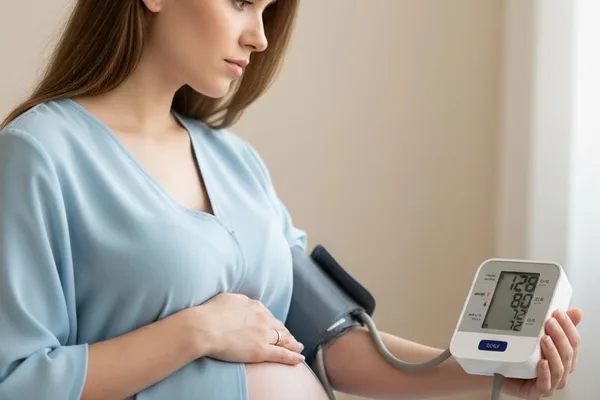
- If you are in the early stages of pregnancy: Your doctor will monitor you very closely. They will try to give the baby as much time as possible to develop. You will need to come to the clinic frequently, have scans, and have blood and urine tests. You may also be asked to check your blood pressure at home. If the condition worsens, delivery of the baby may be recommended.
- During labor: You may be given a medicine called Magnesium Sulfate to prevent eclampsia caused by preeclampsia.
The most important thing is to follow the doctor's instructions exactly.
Can the risk be reduced and prevented?
If you are at risk of developing preeclampsia, there are several things you can do before and during pregnancy to reduce your risk.
- Weight control: If you are overweight (obese) before pregnancy, reduce your weight.
- Blood pressure and sugar control: If you already have high blood pressure or diabetes, control them well.
- Exercise: Engage in daily exercise.
- Sleep: Get enough sleep.
- Diet: Eat a healthy, low-salt diet and avoid beverages containing caffeine.
For those with certain risk factors, your doctor may recommend taking a baby aspirin daily after about 12 weeks of pregnancy. However, never start taking this medication without consulting your doctor.
When should you go to a hospital immediately?
Preeclampsia is a life-threatening condition. Therefore, if you have any of the following symptoms, go to the nearest hospital's Emergency Department (ETU) immediately.
- If you feel like you are having a seizure (like shaking, trembling)
- Severe difficulty breathing
- Severe pain in the upper right side of the abdomen
- Sudden blurring of vision
- An unbearable, constant headache
- Persistent vision of black dots floating before the eyes
Take-Home Message
- Preeclampsia is a serious condition during pregnancy associated with high blood pressure and protein in the urine.
- The best way to quickly diagnose this is to go to any clinic and get tested as advised by your doctor.
- Always be aware of symptoms like severe headaches, vision changes, and stomach pain. Don't ignore them.
- Although the only cure for this is to deliver the baby, doctors will do everything they can to protect you and the baby.
- This condition may persist for a few days or weeks after the baby is born. So continue to follow your doctor's instructions.




💬 Comments (0)
No comments yet. Be the first to share your thoughts here.
Add Your Comment