
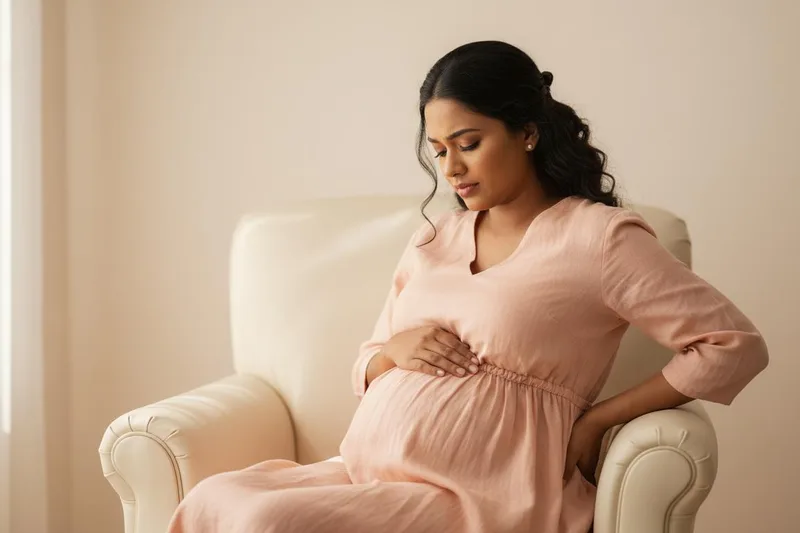
Pregnancy is a very special and challenging time, isn't it? Along with the joy of welcoming a new baby into your life, it's normal to experience some minor changes and discomforts. Have you ever experienced pain, itching, or a small amount of blood in your stool? If so, we're going to talk about something that could be very important to you. Don't worry, this is something that happens to many people.
What are hemorrhoids? Let's understand it very simply.
Simply put, hemorrhoids are swelling of the blood vessels in your anus (where your stool goes) and around it. Just like the blood vessels in our legs sometimes get swollen (like varicose veins), the same thing happens with the anus.
There are two types of hemorrhoids:
1. External Hemorrhoids: These are located outside the anus, meaning they are visible to us.
2. Internal Hemorrhoids: These are located inside the rectum, that is, the last part of the large intestine that connects to the anus. These are usually not visible to us, but they can come out during bowel movements.
This is a common, but not serious, condition that many people experience during pregnancy. The best part is that it can be managed with simple home remedies and often gets better on its own after the baby is born.
Is it normal to get hemorrhoids during pregnancy?
Yes, absolutely! If you are pregnant and have experienced hemorrhoids, you are not alone. This is very common. It is especially common during the third trimester (the last three months) of pregnancy and during the first month after giving birth. Roughly speaking, between 30% and 40% of pregnant women experience hemorrhoids. So, rest assured that this is not just something that has happened to you.
What is the difference between hemorrhoids and anal fissures?
Both of these can occur during pregnancy, rectal discomfort. But these are two different things.
- Hemorrhoids , as we discussed earlier, are swollen blood vessels in the rectum.
- Anal fissures are small cracks or tears in the skin of the anus.
The symptoms of both conditions can be somewhat similar. Both can cause itching and pain. You may also notice a small amount of blood during bowel movements or on the toilet paper. Usually, this amount of blood from a hemorrhoid or anal fissure is not dangerous. However, if you are pregnant and notice blood in your stool, it is best to see a doctor to make sure that the cause is hemorrhoids, an anal fissure, or something else.
Who is more likely to develop hemorrhoids?
Anyone can get hemorrhoids, but if you're pregnant, the risk is a little higher. There are two main reasons for this:
1. The weight of the baby in the womb: As the baby grows, the pressure on your pelvic area and lower digestive tract increases. This pressure can cause the blood vessels around the anus to become stretched, restricting blood flow, and causing blood to pool and swell.
2. Hormonal changes: The hormonal changes that occur in the body during pregnancy also increase the risk of hemorrhoids.
What are the symptoms of hemorrhoids during pregnancy?
Sometimes hemorrhoids can be present without any symptoms. However, if symptoms do appear, you may notice things like:
- Feeling pain when defecating.
- Itching in and around the anus.
- Sometimes a hemorrhoid inside the rectum protrudes (`(Prolapsed Hemorrhoid)`). This can cause some severe pain.
- Seeing a trail of blood in the toilet, in the stool, or on the toilet paper (this is often due to internal hemorrhoids).
It's normal to feel scared when you see blood in your stool. But this bleeding caused by internal hemorrhoids is not dangerous. However, if you notice bleeding during pregnancy for any reason, it's essential to seek medical advice.
What are the causes of hemorrhoids during pregnancy? Let's take a closer look.
As we've already discussed, the main cause of hemorrhoids is increased pressure on your pelvic area and lower digestive tract. This pressure can cause the veins in your rectum to swell and become distended. There are three main reasons why this pressure can occur during pregnancy:
1. Growing baby: As your baby grows, the pressure on your pelvic area and colon increases. This can strain the veins in your rectum, making it harder for blood to flow through them. This can cause blood to pool in one place, causing the veins to swell.
2. Increased blood volume: During pregnancy, your blood volume increases to provide the necessary nutrition to the baby in your womb. The blood vessels have to work harder to transport this increased blood throughout the body. This is another reason for hemorrhoids.
3. Constipation: The chances of developing hemorrhoids are higher during pregnancy, as constipation is also more likely during pregnancy. Due to hormonal changes in the body, the digestive process can be a little slower. Therefore, bowel movements can become irregular. The extra weight of the stool stuck in the intestine also puts pressure on the veins in the rectum. In addition, this pressure increases further due to straining to defecate.
How to know for sure if you have hemorrhoids during pregnancy? (Diagnosis)
Hemorrhoids are very common during pregnancy, so your doctor may assume that you have hemorrhoids based on your symptoms. However, to be sure, your doctor may do the following:
- Checking your rectum from the outside : This is how you can find out if you have external hemorrhoids.
- Digital Rectal Exam: In this, the doctor inserts a gloved finger into your rectum to check for internal hemorrhoids.
- Anoscopy or Sigmoidoscopy : Both of these tests are very simple and quick to perform. They allow the doctor to clearly see the inside of your rectum.
You may feel uncomfortable or embarrassed when you hear about these tests. But these are not painful tests, and any discomfort is minor. Also, this is very normal for doctors. So, don't hold anything back, and support the doctor.
What can you do if you get hemorrhoids during pregnancy? (Treatment)
In most cases, hemorrhoids will get better on their own after the baby is born, so until then, it's best to be aware of this and minimize discomfort.
1. Try to reduce constipation.
If you have a good bowel movement every day, without any difficulty, the pressure on your hemorrhoids will be greatly reduced. The less time you spend on the toilet, the less pressure there is on these blood vessels. Here are some things you can do to help:
- Eat foods that contain 25 to 30 grams of fiber per day. Good examples of this include legumes, vegetables, fruits, and whole grains.
- Drink between 8 and 12 glasses of water a day.
- Take a laxative approved by your doctor. (Do not take any medicine without medical advice!)
2. Try these home remedies
These simple things can help reduce the discomfort caused by hemorrhoids:
- For minor pain or discomfort, apply a little aloe vera gel or coconut oil .
- Apply witch hazel (available at the pharmacy) to the hemorrhoids to reduce itching and pain.
- To reduce itching, mix baking soda with a little water to make a paste, or apply dry baking soda to the hemorrhoids.
- Try a sitz bath. This means filling a large basin with about 2-3 inches of lukewarm water and sitting in it for about 15-20 minutes. The warm water will help improve blood flow around the anus and relax the tense muscles. It's best to do this two or three times a day.
3. Do these things to reduce the pressure on hemorrhoids
We can't control the stress of having a baby in the womb. However, we can reduce this stress by doing things we can control.
- Reduce standing and sitting for long periods of time. Instead, lie down on your side. This will reduce pressure on your pelvic area and intestines.
- Use a donut pillow when sitting. This is a round pillow with a hollow center. When you sit on it, there is no direct pressure on the anus.
- Don't wait too long on the toilet because you're having difficulty passing stool. Instead, focus on the things mentioned earlier to reduce constipation.
If these home remedies don't help, your doctor may recommend a procedure that will remove the hemorrhoids safely for both you and your baby.
What medications are given for hemorrhoids during pregnancy?
If your hemorrhoids are too severe to handle due to constipation, your doctor may prescribe a stool softener, a hemorrhoid cream, or a fiber supplement. Never take any over-the-counter medication without your doctor's advice. Only your doctor can tell you which medications are safe and effective for you and your baby.
Can hemorrhoids be prevented during pregnancy? (Prevention)
It's not always possible to prevent hemorrhoids, but you can develop good habits to reduce your risk of constipation.
- Always include fiber-rich foods in your diet.
- Drink exactly the amount of water you need per day.
- Do Kegel exercises daily. These exercises help improve blood flow to the anus and surrounding area. If you don't know how to do these exercises, ask your doctor.
What can you expect if you have hemorrhoids during pregnancy?
You may feel some discomfort. But you and your doctor can work together to find solutions. Your hemorrhoids may get worse before they get better. Especially because of the pushing during labor, hemorrhoids can get worse right after the baby is born. But don't worry, they will get better within a few weeks.
What are the occasions when you should see a doctor?
In cases like these, you should definitely see a doctor:
- If you notice blood in your stool. While most of the causes of rectal bleeding during pregnancy (like hemorrhoids) are not dangerous, there are some serious causes. Therefore, it is important to know exactly what is causing it.
- If the pain in the anus is not relieved by home care.
- If you are considering using over-the-counter stool softeners, creams, oils, or supplements , consult your doctor before using them. Any medication you take during pregnancy should be approved by your doctor.
Should you be worried about hemorrhoids during pregnancy?
Oh, there's nothing to be afraid of. Especially, if you get hemorrhoids, you now know how to manage their symptoms. Hemorrhoids can be uncomfortable, but they're not a dangerous condition, and they usually get better on their own over time.
Hemorrhoids can be uncomfortable, embarrassing, and even embarrassing during pregnancy. But don't worry if you have them. They can be largely controlled by finding ways to reduce constipation and relieve symptoms. If you're bothered by your symptoms and they don't improve with home remedies, be sure to see your doctor.
Finally, the most important things to remember (Take-Home Message)
Well, let's remind you again of the most important points from what we've talked about:
- Hemorrhoids are very common during pregnancy. You are not alone.
- The main reasons for this are the pressure on the pelvis from the growing baby, hormonal changes, and constipation.
- Symptoms may include itching, pain, and blood in the stool . If you see blood, be sure to tell a doctor.
- It is very important to eat fiber-rich foods, drink plenty of water, and control constipation .
- You can get relief from home remedies like sitz baths, aloe vera, and coconut oil .
- Don't stand/sit for long periods of time, turn to the side and lie down.
- Do not take any medicine without medical advice.
- This condition often resolves itself after the baby is born.
- This is nothing to be afraid of, the discomfort can be managed.
I hope you find this information useful. I wish you a healthy and happy pregnancy!
` Hemorrhoids, pregnancy, constipation, anal, pain, bleeding


💬 Comments (0)
No comments yet. Be the first to share your thoughts here.
Add Your Comment