

The first three months of your pregnancy—known as the first trimester—may have felt quite challenging. Morning sickness, constant nausea, and heavy tiredness might have worn you down. Now, those difficult early symptoms are starting to fade, and you may finally feel a wave of relief. You have reached the exact middle of your pregnancy journey, which doctors call the second trimester. Lasting from week 13 through week 27, this middle stretch brings a welcome burst of energy for many parents-to-be.
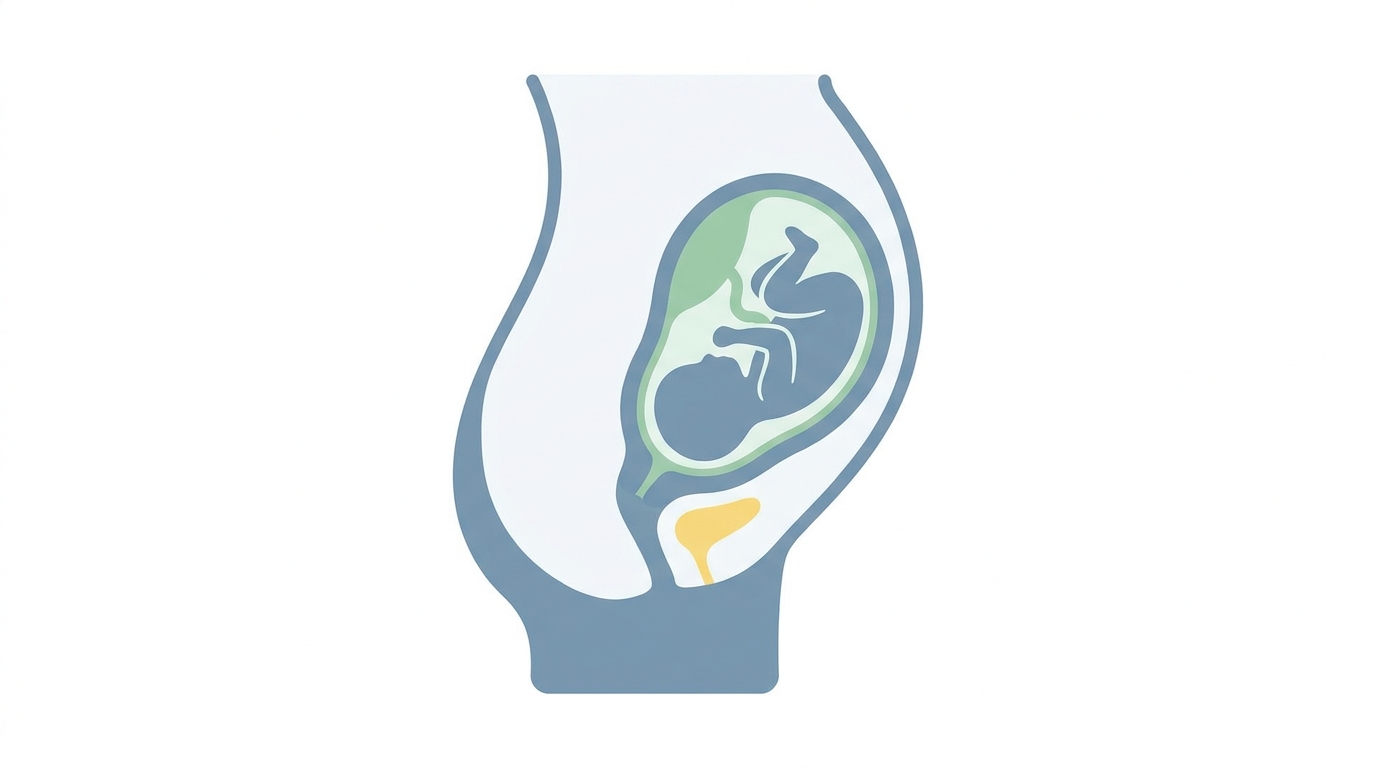
During these middle months, your body adjusts to the pregnancy hormones, and your growing bump begins to show. You might start feeling your baby move for the very first time. This guide walks you through every important detail of the second trimester, helping you understand your baby's growth, physical changes, essential tests, and healthy habits to keep you both safe.
Key Takeaways for Your Second Trimester.
- Relief from Early Symptoms: Morning sickness and extreme fatigue usually improve during weeks 13 through 27.
- First Baby Kicks: You will likely feel your baby move, often described as a gentle flutter, between weeks 18 and 20.
- Routine Screening: Your mid-pregnancy anatomy ultrasound usually happens around week 20 to check your baby's organs.
- Healthy Habits: Regular light exercise, nutritious food, and prenatal vitamins keep you and your growing baby strong.
- When to Call the Doctor: Contact your doctor right away if you notice severe pain, vaginal bleeding, or sudden fluid leakage.
Why the Second Trimester Brings Relief.
Many people consider the second trimester to be the most enjoyable part of pregnancy. The early morning sickness and deep tiredness tend to fade away. The intense worry and anxiety common in the first few months often settle down as well.
Your body starts to look and feel visibly pregnant, and a renewed sense of energy often takes over. Between weeks 18 and 20, you will likely feel your baby move inside your belly for the first time. This magical milestone makes the pregnancy feel much more real and wonderful.
Every pregnancy is unique, so do not worry if you do not feel an instant sense of relief. Some people continue to experience nausea or encounter new symptoms throughout the second trimester. Always speak with your doctor if anything feels unusual or concerning.
Regular prenatal care remains essential throughout your second trimester and the entire pregnancy. Your doctor needs to monitor you and your baby closely to ensure healthy growth. You will typically visit your doctor every four weeks during this stage, though high-risk pregnancies may require more frequent visits.
How Your Baby Grows During the Second Trimester.
Your baby undergoes rapid and remarkable changes during the second trimester. Facial features become more distinct, and fingers and toes separate clearly. By the fourth month, your baby develops eyelashes, eyebrows, fingernails, and even tiny hairs.
Your baby can stretch, make funny facial expressions, and suck their thumb. Around week 20, an ultrasound scan can often reveal whether you are having a boy or a girl. Most importantly, this scan allows your doctor to check the internal organs and overall structure of your baby.
This is also when you will experience your very first baby movements, known as quickening. At first, these movements feel like tiny flutters or gentle bubbles. By week 28, these kicks and turns become much steadier and easier to recognize.
Toward the end of the second trimester, your baby can even hear your voice. If you speak to your belly, your baby might respond with a gentle nudge. If a baby is born prematurely during the late second trimester, specialized neonatal intensive care units (NICU) can provide life-saving support.
What Changes Happen to Your Body?
Your body changes dramatically to accommodate your growing baby. Your uterus expands continuously throughout these months, eventually growing to the size of a watermelon. After birth, your uterus shrinks back to its original pear-shaped size.
Your weight increases steadily, and your visible pregnancy bump becomes hard to miss. Do not worry if your bump does not grow overnight. Every body changes at its own pace during pregnancy.
Common Discomforts in the Second Trimester.
While many people feel better than they did in the first trimester, new symptoms can still pop up. Here are the most common discomforts you might notice during these months:
- Increased Appetite: Your body needs extra energy to support your baby, which can spark stronger hunger.
- Bleeding Gums: Hormonal shifts make your gums more sensitive and prone to bleeding when brushing.
- Nosebleeds or Stuffiness: Increased blood flow in your body can cause mild nasal congestion or nosebleeds.
- Hemorrhoids: Swollen blood vessels in the rectal area can develop due to increased pressure and hormones.
- Skin Changes: A dark line called the linea nigra may appear down your belly, and your areolas may darken.
- Round Ligament Pain: Sharp or dull aches on either side of your lower belly as supporting ligaments stretch.
- Mild Swelling: Fluid retention can cause slight swelling in your hands, feet, and ankles.
- Varicose Veins: Enlarged veins may become visible on your legs as blood flow increases.
- Stretch Marks: Faint lines may appear on your abdomen, breasts, hips, or thighs as your skin stretches.
Pregnancy also raises your risk of urinary tract infections (UTIs) and yeast infections. Watch closely for warning signs such as vaginal itching, unusual discharge, or burning pain when you urinate.
Tests and Screenings During the Second Trimester.
Your doctor will recommend specific tests to monitor your health and your baby's development. A detailed ultrasound scan is standard during the second trimester. While this scan often reveals your baby's sex, its primary medical purpose is to check internal organ development, brain structure, limb growth, and overall anatomy.
Standard second-trimester screenings typically check for:
- Gestational Diabetes: A temporary type of diabetes that can develop during pregnancy.
- Rh Factor Status: Checking your blood type compatibility with your baby.
- Complete Blood Count (CBC): Checking for anemia and other blood conditions.
- Syphilis Screening: Routine blood testing to protect maternal and fetal health.
Preparing for Delivery and Parenthood.
The second trimester is the ideal time to start planning for your baby's arrival. You can begin discussing birth preferences and delivery options with your doctor.
Common delivery options include:
- Vaginal Birth: Delivering your baby through the birth canal, with or without pain relief medicine.
- Assisted Vaginal Delivery: Using specialized medical tools like forceps or a vacuum device to assist delivery if needed.
- C-Section Delivery: Surgical delivery through an incision in your abdomen and uterus.
Childbirth education classes offer a great way to learn about labor, pain management, breastfeeding, and newborn care. You can also start researching and interviewing pediatricians to find the right doctor for your child. Scheduling a hospital tour helps you familiarize yourself with the maternity ward so you know exactly where to go when labor begins.
Healthy Habits for the Second Trimester.
Maintaining a healthy lifestyle supports your well-being throughout the second trimester. Try to incorporate about 20 to 30 minutes of gentle exercise into your daily routine. Walking and swimming are wonderful, safe options during pregnancy. Always check with your doctor before starting any new exercise routine. Avoid contact sports and activities with a high risk of falls or abdominal impact.
Eat nutrient-dense foods, take your prenatal vitamins daily, and attend every scheduled prenatal checkup to ensure a healthy pregnancy.
Things to Avoid in the Second Trimester.
Most safety guidelines from the first trimester apply to the second trimester as well. Keep the following precautions in mind:
- Avoid raw or undercooked meats, poultry, and seafood.
- Stay away from unpasteurized milk and soft cheeses made with unpasteurized milk.
- Avoid deli meats unless heated until steaming hot.
- Limit fish high in mercury content.
- Avoid hot tubs and saunas to prevent overheating.
- Strictly avoid smoking, alcohol, and recreational drugs.
Certain everyday tasks require caution as well. Avoid changing cat litter boxes to prevent exposure to toxoplasmosis, an infection harmful during pregnancy. Try to avoid lying flat on your back for long periods, especially as your bump grows. Sleeping on your side improves blood circulation to your baby. If you wake up on your back, simply roll onto your side without worry.
When to Call Your Doctor right away.
You know your body best. If something feels wrong, never hesitate to call your doctor. Seek medical attention right away if you experience any of the following warning signs:
- Severe or unusual abdominal pain or cramping.
- Any amount of vaginal bleeding.
- Difficulty breathing or worsening shortness of breath.
Contact your doctor right away if you notice signs of preterm labor, such as:
- Regular lower belly tightening or contractions occurring four or more times in an hour.
- Any sudden fluid leakage from your vagina. While normal discharge increases during pregnancy, leaking amniotic fluid indicates your water may have broken early.
| Healthy Habits (Do). | Risks to Avoid (Don't). |
|---|---|
| Take prenatal vitamins daily and eat balanced meals. | Do not eat raw seafood, unpasteurized dairy, or alcohol. |
| Engage in safe, light exercises like swimming and walking. | Avoid contact sports, hot tubs, saunas, and heavy lifting. |
| Sleep on your side and attend all prenatal appointments. | Do not clean cat litter boxes or ignore severe pelvic pain. |
A Note from Nirogi Lanka.
Navigating pregnancy brings countless questions and wonderful milestones. The second trimester is often a time of renewed comfort and connection with your baby. Listening to your body, attending your medical checkups, and maintaining open communication with your doctor will help ensure a healthy and joyful journey for both you and your child.


💬 Comments (0)
No comments yet. Be the first to share your thoughts here.
Add Your Comment