

You know, although pregnancy is a very happy and hopeful time for many mothers, sometimes this time can be very stressful, sad, and anxious. This may not just be a mood change, but something deeper. That is the condition we are going to talk about today, which is called prenatal depression, or ``Prenatal Depression''. Don't be afraid, it is very important to be aware of this.
What is prenatal depression? Let's understand it very simply.
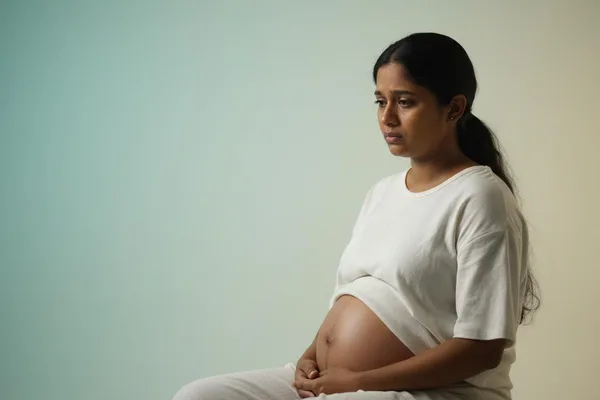
Simply put, prenatal depression is a state of depression that occurs during pregnancy. In this, you may feel persistent or unbearable sadness. Not only that, you may also experience excessive anxiety, fatigue, and difficulty sleeping. If you have this kind of mood disorder, you may become withdrawn from family and friends. You may also lose interest in things you used to enjoy.
Imagine, your best friend Nimali is pregnant. She always seems sad, doesn't smile and talk like she used to. She gets angry no matter what her family members say. She can't sleep at night. That's what it's like.
This `(Prenatal Depression)` condition can affect you at any time during pregnancy. We call the depression that occurs after the birth of the baby `(Postpartum Depression - PPD)` . However, both of these are completely different from the `(Baby Blues)` condition. `(Baby Blues)` is a feeling of sadness, anxiety, or depression that you feel for a few days after the birth of the baby. It usually gets better on its own within two to three weeks. However, `(Prenatal Depression)` and `(Postpartum Depression)` conditions do not get better without treatment.
Sometimes, these symptoms of depression can be reduced by making small lifestyle changes. But if that doesn't work, doctors will treat the condition with counseling and, if necessary, medication. If you have ``Prenatal Depression,'' remember that you are not alone. Depression is a very common medical condition, and there are effective treatments for it.
Who is most likely to develop this condition? What are the risk factors?
Anyone can develop this condition called ``Prenatal Depression.`` However, if you or someone in your family has had these conditions before, you are more likely to develop it:
- If you have had anxiety disorders before.
- If you have panic disorder .
- Other mental illnesses, for example, conditions such as Obsessive-Compulsive Disorder (OCD) .
- If you have had mood disorders such as depression or postpartum depression.
In addition, women who:
- When you find out that your unborn baby has a health problem or special needs .
- If you have been through a stressful life event, such as a divorce, a family member's illness, financial problems, or problems at work, imagine how difficult it would be if you got pregnant while you were very depressed due to a problem with your husband.
- If you are expecting twins or triplets .
- If it is an unplanned pregnancy .
- If you don't have a supportive husband, family, or friends during pregnancy.
- If you have difficulty getting pregnant due to infertility , and have been trying to get pregnant for a long time after undergoing treatment (perhaps due to the stress that comes with the experience).
How common is this condition?
This condition is actually very common. Researchers believe that this depression is one of the most common problems faced by pregnant women. It is said that about 5% of adults in the United States suffer from persistent depression. This condition can also be seen in Sri Lanka.
Why is this happening? What are the reasons?
There are many reasons why depression can occur during pregnancy. The main reason is having a previous mood disorder or having a family history of it. During pregnancy, our body's hormone levels change dramatically . These hormonal changes can affect our mood. Depression can also be caused by an imbalance in certain chemicals in the brain.
Many women worry and are anxious about the changes in their bodies and the discomforts of pregnancy (e.g., nausea, body aches). They may also worry about the new responsibilities and financial problems. So, for someone who is at high risk for depression, these changes can be overwhelming.
What are the symptoms of this? See if you have these too...
It's normal for all of us to feel sad, anxious, and worried at times. It's especially common during pregnancy. However, the symptoms of depression don't go away in a few days. They can last for weeks or months, and they can get worse over time. Here are some of the symptoms of depression during pregnancy:
- Excessive anxiety, constantly worrying about unnecessary things, irrational thoughts.
- Changes in appetite (not pregnancy-related weight gain/loss), unexplained weight loss or gain.
- Loss of interest in things you used to enjoy. Withdrawal from friends, family, and social interactions.
- Excessive fatigue , sleeping more than usual, or not being able to fall asleep or wake up from sleep (Insomnia).
- Feeling sad all the time, feeling hopeless, feeling numb, feeling "empty", feeling guilty.
- Irritability, frequent crying, and other mood changes.
- Loss of interest in sexual activities, difficulty maintaining a relationship with your husband.
- Physical symptoms that occur without any other illness or cause. For example, headaches, muscle aches, and gastrointestinal (GI) problems.
- Difficulty concentrating, difficulty remembering things, difficulty thinking logically or making decisions.
In extreme cases, women with this condition may have thoughts of harming themselves or their unborn child. If you are having thoughts of harming yourself or committing suicide, please seek medical advice immediately or talk to someone you trust. You can also get help at this time from organizations such as Sumitra Sri Lanka (phone number 0112692909).
How do you recognize this?
If you have symptoms of ``Prenatal Depression,'' it's important to see a doctor right away to talk about it. Your doctor will ask you about your symptoms. They will want to know things like when they started and how often they occur.
You may also be referred to a mental health professional , such as a psychiatrist, psychologist, therapist, or counselor. This specialist can examine you thoroughly and determine what treatment is needed. Be sure to tell your doctor if you have had depression or other mood disorders in the past, or if anyone in your family has had them.
What treatments are available? Can we be cured?
Yes, there is definitely treatment for this condition. Doctors use the following treatments for Prenatal Depression:
- Cognitive Behavioral Therapy (CBT): This is a type of psychotherapy that helps you think differently about the thoughts and behaviors that cause you anxiety. Over time, you can learn to think in new ways and respond more positively to certain situations.
- Interpersonal Therapy (IPT): This helps you improve the way you interact with others, build new relationships, and gain support from social groups.
- Medications to treat depression: Ask your doctor which medications are safe to use during pregnancy and breastfeeding.
- Psychotherapy or talk therapy: This allows you to talk openly about your feelings and develop ways to cope with them. An experienced therapist can help you manage your mood swings and feel better.
How can I manage this situation? What can I do myself?
There are several things you can do to improve your mood and outlook. Here are some of them:
- Find a support group: Talking to other expectant mothers can help you share your concerns. You can learn a lot from people who know what you're going through. You can ask your local hospital about support groups or other resources.
- Make health a priority: Exercise regularly during pregnancy. Eat well, take prenatal vitamins, and get enough sleep. Quit smoking and avoid alcohol altogether. These are very dangerous for you and your baby. Drinking alcohol during pregnancy can lead to conditions like Fetal Alcohol Syndrome . Remember, good physical health is a prerequisite for good mental health.
- Prepare for baby: Attend your prenatal care regularly. Learn about your baby's development and milestones. Take time to prepare for your baby's arrival. You will feel a great sense of relief when you feel ready for labor and delivery.
- Stay active: Spend time with friends, go out with your spouse, etc. Just talking to other people and getting out of the house can make a big difference in your mood.
- Practice meditation: If you feel stressed or anxious, try yoga, meditation, or breathing exercises. There is a strong connection between stress management and emotional health. Learning some ways to calm your mind can help you feel better.
Is there anything I can do to reduce this risk?
Depression during or after pregnancy (postpartum depression) may not be completely preventable. If you have had depression or anxiety before, or if someone in your family has had mood disorders, you are at higher risk. So, talk to your doctor about the symptoms to watch out for. Then you can get help early.
If I have prenatal depression, what should I expect?
For most women, the symptoms of Prenatal Depression improve with treatment. Counseling, medication, and lifestyle changes can significantly improve your mood. But remember, sometimes both medication and counseling may be needed to improve your symptoms. You may also need to try different types of counseling or medication.
Does this condition affect the baby's development?
If left untreated, depression can be dangerous for your unborn baby. Prenatal depression can make it difficult for you to take care of yourself during pregnancy. You may be more likely to engage in unhealthy behaviors like drinking alcohol, smoking, and not exercising. All of these can affect your baby's health.
In severe cases, women with Prenatal Depression can harm themselves or their unborn baby. So don't take this condition lightly.
When should I seek medical advice?
If you experience symptoms of depression during pregnancy or after giving birth, get help right away. Safe, effective treatments are available. If you have thoughts of harming yourself or your unborn baby, get emergency medical help right away.
If you're pregnant, it's normal to feel anxious, worried, and emotional from time to time. However, if sadness or anxiety is affecting your daily life, see your doctor. Talk openly and honestly about your symptoms, feelings, and concerns. There are treatments for prenatal depression that can help you, and they're safe for you and your baby. You may need a combination of counseling, medication, and lifestyle changes to feel better.
Take-Home Message
Okay, so here are some things you need to remember from what we've talked about:
- Prenatal depression is a common condition that can occur during pregnancy.
- This is not just a "feeling of sadness", but a medical condition that requires treatment.
- If you have these symptoms , don't be afraid, and remember that you are not alone.
- It is very important to seek medical advice immediately.
- There are safe and effective treatments for this.
- You and your baby can overcome this condition to live a healthy, happy life. So don't hesitate to ask for help.
We hope you have found this information informative. We wish you a healthy and happy pregnancy!
` prenatal depression, pregnancy, mental health, depression symptoms, depression treatment, mood disorders, pregnancy, depression, mental health, pregnant mother, prenatal depression




💬 Comments (0)
No comments yet. Be the first to share your thoughts here.
Add Your Comment