
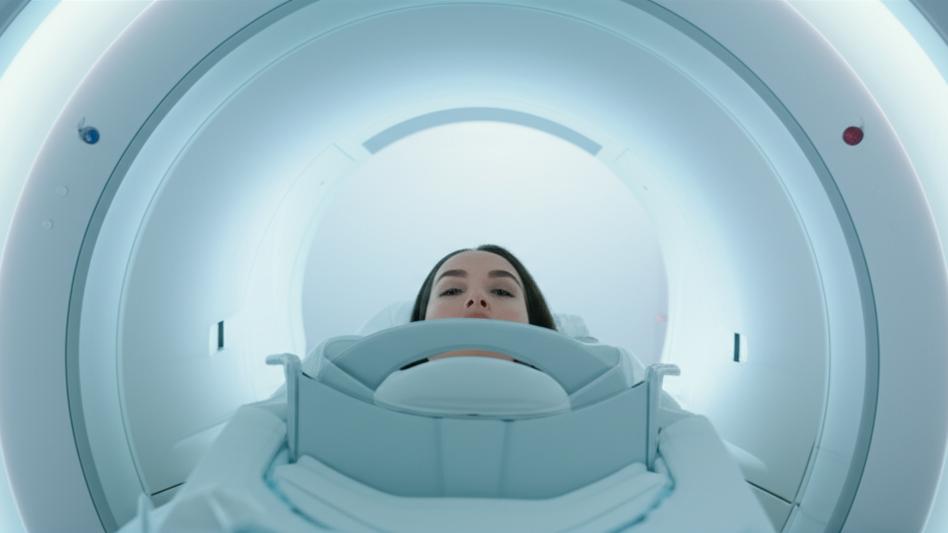
It's normal to feel a little curious, nervous, or even slightly anxious when we doctors tell you that you need an MRI scan. "What will happen? Will it hurt? What on earth should I do?" You're probably wondering right now, aren't you? There's really no need to be scared, though. An MRI is a very advanced, completely painless test that gives your primary care physician or specialist an exceptionally clear picture of what's happening inside your body. Pretty reassuring, right? Let's take a closer look and talk through everything you need to know to feel completely at ease.
📌 Key Takeaways
- An MRI (Magnetic Resonance Imaging) uses powerful magnets and radio waves, meaning it does not use harmful radiation like X-rays.
- Preparation usually involves checking for metal objects, wearing loose clothing, and following specific fasting instructions if your abdomen is being scanned.
- Always disclose any implanted medical devices, such as pacemakers or surgical metal plates, before your appointment for your own safety.
- Communicating your feelings about small spaces in advance allows your care team to help you feel comfortable.
BMI Calculator
Know your body mass index (BMI) and weight classification
Simply put, what is an MRI?
The full name of MRI is Magnetic Resonance Imaging. Although that name sounds a bit complicated and technical, how it works is actually quite simple to picture. Just think of it as an ultra-detailed super camera that can take remarkably clear pictures of soft tissues, organs, muscles, ligaments, and bones inside our bodies. Instead of harmful X-ray radiation, this machine uses a very powerful magnet and safe radio waves to generate these images.
We doctors recommend an MRI scan for a wide variety of reasons. For example, it can help diagnose conditions affecting the brain, spine, joints like your knees and shoulders, and internal abdominal organs. It's also an incredible tool for monitoring how well a specific medical treatment is working over time. Makes sense, right?
Okay, now let's see how you should prepare before the MRI.
Preparing for your scan is usually very straightforward, but it is extremely important for getting clear results and keeping you safe. If you follow the guidelines we discuss here and the instructions given by your local clinic or hospital imaging department, your appointment will go off without a hitch. Have you ever wondered why these steps matter so much? Let's break them down together.
About food, drink and the medications you take
Generally speaking, you can eat and drink as you normally would on the day of your MRI scan. If you take daily medications prescribed by your family doctor, you can usually take them as scheduled, unless you were specifically told otherwise by your care team.
However, there are exceptions. In some special cases—especially if your abdominal organs, liver, or pancreas are being examined—you may be asked to fast or avoid eating for a few hours before the scan. Therefore, the golden rule is always to follow the specific instructions provided by the hospital or imaging facility where your scan is scheduled. If there is anything you aren't completely sure about, just give them a quick call to double-check. We always prefer asking over guessing, don't we?
Clothing and metalware - this is extremely important!
Remember how we mentioned that the MRI machine operates using an extremely strong magnet? That is precisely why bringing any metal objects into the scanning room is strictly prohibited. Even a tiny piece of metal can interfere with the magnetic field, affect image quality, or create potential safety hazards.
Because of this, you need to pay close attention to what you wear and bring:
- Remove all jewelry: Take off earrings, necklaces, rings, bracelets, watches, and nose rings and leave them safely at home. If you forget, you'll need to remove them at the facility before entering the scan room.
- Watch out for hidden metal in clothing: Avoid underwire bras, metal zippers on trousers, heavy belt buckles, and metal buttons. It's best to wear comfortable, loose-fitting cotton clothing with zero metal. In many cases, the clinic will provide you with a clean hospital gown to wear during the procedure.
- Other metal accessories: Hairpins, eyeglasses, removable hearing aids, and dentures must also be taken off prior to the scan.
- Skip the makeup: Did you know some cosmetics contain microscopic metal particles? It's best to avoid wearing makeup on the day of your appointment.
- Wigs and hairpieces: If you wear a wig, you will likely need to remove it before heading into the scanning suite.
If you have metal inside your body...
This is arguably the most critical safety point of all. If you have any metal implants permanently inside your body—whether from a previous surgery, accident, or dental procedure—you must inform your doctor and the MRI technologist well in advance.
Common examples include:
- Cardiac pacemakers or implantable cardioverter-defibrillators (ICDs)
- Certain types of artificial heart valves
- Cochlear (ear) implants
- Orthopedic metal plates, rods, pins, or screws
- Surgical aneurysm clips used in brain surgery
- Metal fragments from previous injuries or occupational accidents
If you have any of these, please never hide or downplay them! The powerful magnetic field can cause certain metals to shift, heat up, or malfunction, which poses a serious risk to your health. Complete honesty with your medical team keeps you safe every single time.
| Situation / Concern | What It Means | What You Should Do |
|---|---|---|
| Eating & Drinking | Usually allowed, but certain abdominal scans require fasting. | Follow your hospital appointment letter or call your clinic to confirm fasting rules. |
| Clothing & Accessories | Metal items can cause interference or safety risks near the magnet. | Wear loose cotton clothes without zippers or metal, and leave jewelry at home. |
| Implanted Metal Devices | Pacemakers, plates, or clips can react strongly to magnetic fields. | Inform your doctor and imaging staff immediately during booking and before the scan. |
| Claustrophobia / Anxiety | The scanner tube can feel confined and overwhelming for some people. | Speak up early so staff can offer reassurance, music, or discuss calming options with your doctor. |
Is there anything to be afraid of during the scan?
Not at all! The actual scan is completely painless. However, understanding what the environment feels like can stop any surprises:
Claustrophobia: The traditional MRI machine is shaped like a relatively narrow, enclosed tube. Some people feel a bit nervous or confined in tight spaces. If that sounds like you, remember there is zero shame in it. Tell your radiographer beforehand! They are experts at coaching patients through it, keeping you talking through an intercom, or letting you listen to your favorite music. In specific cases, your family doctor can prescribe a mild calming medication to take beforehand.
Machine noise: While taking pictures, the machine makes loud tapping, clicking, or thumping sounds. This is completely normal as the internal magnets switch rapidly. Your clinic will provide you with specialized earplugs or headphones to keep you comfortable.
Staying still: To ensure the pictures come out crystal clear for your doctor, you'll need to lie as still as possible during the imaging sequences. If you're nervous about attending alone, bring a trusted friend or family member along to sit in the waiting area with you.
✔️ Do's and ❌ Don'ts
- Do inform your care team about any metal implants, clips, or devices in your body.
- Do wear comfortable, loose clothing free of metal snaps, zippers, and underwires.
- Do arrive a little early to complete safety checklists and change if necessary.
- Don't wear heavy makeup, hairpins, or jewelry into the scanning room.
- Don't hesitate to ask questions if you are unsure about fasting or medication rules.
🚨 When to Seek Emergency Care (Red Flags)
If you notice any of these warning signs, don't wait — call your local emergency number right away (911 in the US/Canada, 999 in the UK, 112 in Europe, or 000 in Australia) or go to the nearest hospital Emergency Department (ER / A&E):
- Sudden severe chest pain, shortness of breath, or dizziness during or immediately following a medical procedure.
- Sudden allergic reactions (such as severe rash, swelling of the face, lips, or throat) if contrast dye was administered.
- Any acute, disabling neurological symptoms like sudden weakness on one side of the body, sudden severe confusion, or loss of consciousness.
💡 Take-Home Message
- An MRI is a safe, painless imaging test that does not use ionizing radiation.
- Always disclose any internal metal objects, pacemakers, or prior surgeries to your medical team.
- Check your appointment instructions carefully regarding food, drink, and clothing guidelines.
- Talk openly about any anxiety or claustrophobia so your healthcare team can support you properly.






No comments yet. Be the first to share your question or experience below.