
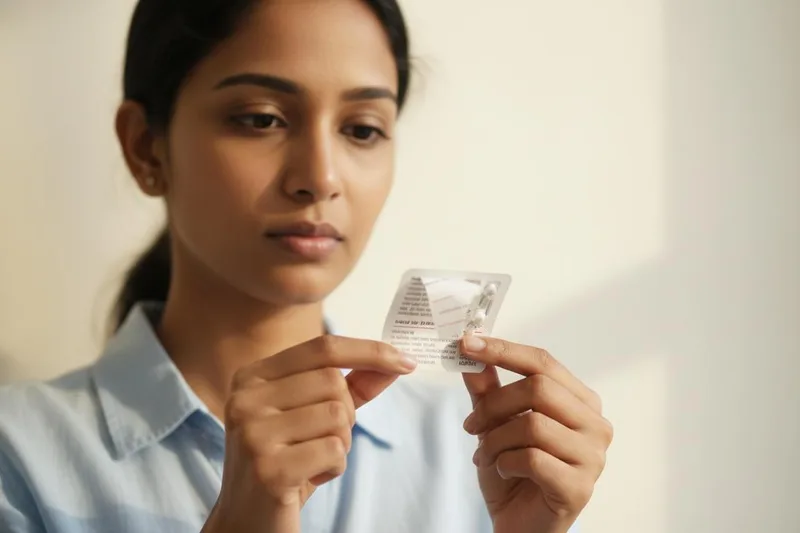
When you go to see a doctor or get medicine from the hospital, you get a little piece of paper with your medicine, right? Sometimes it's even on the medicine box. That's what we call the prescription medication label. Many people put it aside without paying much attention to it. But did you know that this little piece of paper contains a lot of very important information for your health? Reading it properly can reduce the chances of unnecessary trips to the doctor, emergency room, or hospital stay.
Why is it so important to read the prescription medication label?
Simply put, it can help you recover faster and control your illness. You can get the most out of your medication by taking it exactly as your doctor prescribes. By understanding the instructions on the medication label, you can:
- Take the right medicine, in the right amount, at the right time, in the right way. This is the most important thing.
- Avoid switching medications or giving them to the wrong person. This is especially important if several people in the household are taking medications.
- Be aware of the side effects that can occur due to medication and understand how to minimize them.
- Find out if there are any drug interactions (especially if you are taking more than one medication).
- Reduce unnecessary trips to the doctor or hospital. By following the instructions on the medicine label, you can avoid many problems.
Imagine, you were given medicine for a fever, but you took a medicine that should be taken twice a day three times instead of reading the label? Or you took a medicine that should be taken after a meal on an empty stomach? It may seem like a small thing, but it could cause you discomfort, or the medicine might not work properly. That's why it's so important to read the label.
What are the things on a prescription medication label? Let's take a look at each one!
Now let's look at what these prescription labels usually say, and what they say. While these vary slightly from pharmacy to pharmacy and country to country, the basic information is the same in almost all of them.
Your name and doctor's name (Patient and Doctor Information)
- Your full name: This is the first thing to check. Make sure the medicine is for you. Sometimes pharmacies can get overwhelmed when they are busy. Or if there are several people in the house who need medicine for the same illness, you may need to switch.
- Name of the doctor who prescribed the medication: This is important so you know who to talk to if you have any questions about the medication, or if you experience a side effect.
Pharmacy Information
This includes the name, address, and phone number of the pharmacy that dispensed the medication. This information is useful if you need a refill or if you need to ask a question about the medication.
Drug Name (Drug Name - Generic and Brand)
This is where you will see the name of the medicine you have been prescribed. Sometimes you may see two names:
- Brand Name: This is the specific name given to the medicine by the company that manufactures the medicine (e.g. Panadol®).
- Generic Name: This is the name of the active chemical ingredient in the medicine (e.g. Paracetamol).
Doctors often prescribe medications by their generic name because it can be cheaper, and the same medication can be available under different brand names. The most important thing is to know exactly what you are taking.
Strength of Medication
This refers to how much medicine is contained in one tablet, capsule, or milliliter of liquid medicine. For example, you may see things like 500mg (milligrams), 10mg, or 250mg/5ml. This is directly related to the dosage prescribed by the doctor.
Dosage Instructions (Sig)
This is the most important part of the medicine! It clearly states how you should use the medicine.
- How much? (How much?): The amount of medicine to take at one time. For example: "One pill", "Two teaspoons (10ml)", "Take two puffs".
- When?: How many times a day and at what times to take it. For example: "Three times a day (morning, afternoon, evening)", "8 am to 8 pm", "after breakfast", "before bed".
- How to take?: Is there a specific way to take the medicine. For example: "Swallow with a glass of water", "Take with food", "Place under the tongue and dissolve", "Shake well before use".
- For how long? (For how long?): How long the medicine should be used. For example: "for 7 days", "for a month", "until the doctor tells you to stop".
It is very important to follow these instructions exactly, as changing the dosage or timing of the medication may reduce its effectiveness or cause unwanted side effects.
Quantity Dispensed
This tells you the total amount of medicine that the pharmacy has dispensed for you. For example: "30 pills", "100 ml bottle". By keeping track of this, you can plan to refill your medicine before it runs out.
Number of Refills
Some medications for long-term conditions can be refilled at the pharmacy with the doctor's approval. The number of times you can refill is listed here. If you select "No refills," you will need to see your doctor again when the medication runs out and get a new prescription.
Date Filled and Expiration Date
- Date Filled/Dispensed Date: This allows you to check how old the medicine is.
- Expiration Date: This is extremely important! Never use expired medications. Expired medications may be less effective and may even be harmful.
Prescription Number (Rx Number)
Every prescription is given a unique number by the pharmacy. This number (Rx Number) helps the pharmacy keep their records and helps you get refills.
Special warnings and additional labels (Warnings/Auxiliary Labels)
You may have often seen small, colorful stickers on the medicine box or bottle. These are called auxiliary labels. These tell you what you need to be especially careful about when using the medicine. Here are some examples:
- "May cause drowsiness" - It is not advisable to drive or operate machinery while taking this type of medication.
- "Avoid alcohol"
- "Take with food"
- "Finish all this medication" - This is especially true for antibiotics.
- "Shake well before use" - for some liquid medications.
- "For external use only" - For things like skin creams.
- "Keep refrigerated"
Even though this is a small sticker, the message on it can be very important.
How to store medicine (Storage Instructions)
To maintain the quality of medicines, they must be stored properly. Instructions such as "Store in a cool, dry place" and "Keep out of sunlight and out of reach of children" are included.
What do I do if I don't understand something on the prescription?
This is the most important thing. If you have any doubts or misunderstandings about anything in the medication guide, please ask.
- Ask your pharmacist (the person who mixes the medicine): A pharmacist is someone who is very knowledgeable about medicine. He or she can explain any questions you may have, how to take the medicine, side effects, and whether it will interact with other medicines. Don't be shy or afraid. That's their job.
- Ask your doctor: It's best to ask the doctor who prescribed the medication. Sometimes, if you can't ask when you pick up the medication at the pharmacy, ask the doctor again, or if possible, by phone.
Remember, there are no "stupid questions," especially when it comes to your health. It is your right and responsibility to clarify anything you have.
A few more tips for using medicine safely
In addition to reading the label, consider these things when using medication:
- Always keep medications in the original containers they came in. That way, the label is always with them.
- Never share your medicine with others. A doctor will only prescribe medicine for you for your condition. It may not work for someone else, and it may be dangerous.
- Keep a list of all the medications you take (not just those prescribed by your doctor, but also vitamins and Ayurvedic medicines you buy from the pharmacy). Take this list with you when you go to see a doctor.
- Before starting a new medication, ask your doctor or pharmacist if it will interact with any medications you are currently taking.
- Dispose of unused and expired medications properly. It's not a good idea to just throw them in the trash or flush them down the toilet. Ask your pharmacist for instructions on how to do this.
Finally, remember this.
Medicine is like a friend that, if used properly, can cure our illnesses and make our lives easier. But if used incorrectly, it can also cause harm.
The prescription medication label you are given is a guide to help you use the medication safely and correctly.
So, always read it carefully. If there is anything you don't understand , be sure to ask. Your health is in your hands. This small habit can make a big difference. Stay healthy!
` Medicine label, medicine description, medicine label, medicine use, medicine safety, medicine instructions, prescription label Sinhala


💬 Comments (0)
No comments yet. Be the first to share your thoughts here.
Add Your Comment