

You've probably heard of "good bacteria" in advertisements. Or you've seen them in yogurt, buttermilk, or some drinks. When we think of bacteria, we often think of diseases, but there are actually bacteria that are beneficial to our bodies and essential to our health. Those beneficial microorganisms are what we simply call probiotics. So today, let's talk about what exactly these probiotics are and how they are important to our bodies.
Simply put, what are probiotics?
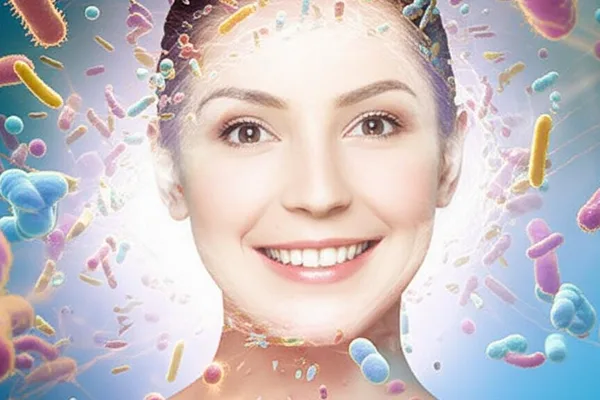
Probiotics are live microorganisms that, when consumed in sufficient amounts, provide health benefits to our bodies. These can be bacteria or yeast. Think of our bodies, especially our digestive system (gut), as a big city. There are good citizens in this city, and there are bad ones. Probiotics are like those good citizens.
These good microorganisms live naturally in our bodies. When we eat foods containing probiotics (fermented foods like yogurt and fermented milk) or take them as supplements, we are increasing the population of these good citizens in our bodies. This helps with many things, including our gut health.
What is the difference between probiotics and prebiotics?
These two names are often confused. But these two mean two completely different things. Let's understand this with a simple example.
Think of probiotics as the friendly workers (good bacteria) in our gut. Prebiotics are the energy those workers need to work, which is food .
- Probiotics: These are live, beneficial microorganisms.
- Prebiotics: These are not microorganisms. These are types of fiber and starch that we cannot digest, but that serve as food for the good bacteria in our gut.
Some foods rich in prebiotics are:
- Oatmeal
- Banana
- Berries
- Asparagus
- Legumes like beans and peas
Sometimes, both probiotics and prebiotics are combined to create products. They are called synbiotics. It's like giving both the beneficial workers and the food they need together.
What types of probiotics are there?
There are thousands of types of probiotic microorganisms. Each type has different benefits. This means that the type that helps with diarrhea may not help with a skin condition. So it's important to choose the right type for your needs. These are some of the main types that are commonly seen.
| Probiotic type | Description |
|---|---|
| Lactobacilli | These are the types most commonly found in yogurt and other fermented foods. They can help with conditions like diarrhea. (Example: Lactobacillus acidophilus) |
| Bifidobacteria | These are also found in some dairy products. They may help relieve symptoms of Irritable Bowel Syndrome (IBS). (Example: Bifidobacterium bifidus) |
| Saccharomyces boulardii | This is not a bacteria, but a type of yeast. It helps fight diarrhea and other digestive problems. |
Most importantly: If you're considering using a probiotic supplement, be sure to talk to your doctor first. That way, you can know exactly which type is most likely to be beneficial for your condition.
What are the main benefits of probiotics?
Probiotics primarily balance the microbial community in our gut (which we medically call the Microbiome ). When this balance is lost (doctors call this condition Dysbiosis ), various health problems can occur. Probiotics help restore this balance.
Benefits with good evidence:
Research has shown that certain types of probiotics can help with these conditions:
- Irritable Bowel Syndrome (IBS): Reduce symptoms such as stomach pain and bloating.
- Some diarrheal conditions: Avoid diarrhea, especially those caused by antibiotic use.
- Inflammatory conditions of the colon (Colitis): Especially for Ulcerative Colitis and related conditions called Pouchitis that occurs after surgery.
- Acne
- Eczema in young children
Areas of further research:
Research is currently underway to see if probiotics can help with these conditions:
- Some stomach ulcers (especially those caused by the bacteria H. pylori )
- Infectious conditions such as urinary tract infections, vaginal infections, respiratory infections
- Tooth and gum disease
- Allergies
- Liver diseases
Some scientists also believe that a healthy microbiome can influence our mental health, memory, pain sensitivity, body fat storage, and blood sugar levels . These are all very exciting areas of research that are still in the research phase.
Imagine that a doctor has prescribed a course of antibiotics for a cold or infection. These medications kill the bad bacteria in our bodies. But in the process, they can also harm the good bacteria in our intestines. That's when some doctors recommend using a probiotic. The goal is to restore the lost good bacteria and prevent side effects like diarrhea.
Should you be careful when taking probiotics?
It is generally safe for a healthy person to consume foods or supplements containing probiotics. However, in some special cases, you should definitely seek medical advice.
- If the immune system is weak: people with HIV, people undergoing cancer treatment, etc.
- If you are suffering from a serious illness.
- If you have recently undergone surgery.
Taking probiotics in these cases can sometimes cause complications. Therefore, it is wise to talk to your doctor before starting any supplement.
Take-Home Message
- Probiotics are live microorganisms that are beneficial to our bodies, especially intestinal health.
- These are different from prebiotics, which are the food these good bacteria need.
- Fermented foods like yogurt and buttermilk are good natural sources of probiotics.
- There are many types of probiotics. Each type has different benefits. A type that is good for diarrhea may not be helpful for a skin condition.
- Always consult your doctor before using any probiotic supplement, especially if you have other medical conditions.




💬 Comments (0)
No comments yet. Be the first to share your thoughts here.
Add Your Comment