

When your doctor tells you or someone you know has a viral infection like HIV, Hepatitis C, or COVID-19, you may feel a little apprehensive about the medication they will prescribe. Questions like, 'What are these medications?' and 'How do they affect the body?' come to mind. Protease inhibitors are a powerful class of medications that can be prescribed to you at such times. Although the name may be a bit complicated, their function is very important. Today, we will talk about this in a very simple way, in a way that you can understand.
What are these protease inhibitors?
Simply put, these are a type of medication that is given to treat viral infections. Their main function is to stop a virus from making copies of itself and spreading inside our body. It's like controlling the spread of the virus.
This medication is most commonly used as an antiretroviral drug to treat HIV/AIDS . It is also used to treat diseases such as hepatitis C and COVID-19.
Sometimes this medicine is given alone. But most often, when treating diseases like HIV, it is given in combination with several other antiviral medicines, like a 'cocktail'. We call this Antiretroviral Therapy (ART) . Sometimes, a Protease Inhibitor is used as a booster to increase the effectiveness of another medicine.
What are the main diseases treated with this medicine?
The class of drugs called Protease Inhibitors is only approved to treat a few specific viral infections.
- HIV/AIDS: These drugs are used as a main part of ART treatment to control HIV. They are also used for post-exposure prophylaxis (PEP) to prevent infection after exposure to HIV (for example, unsafe sex).
- Hepatitis C: These are used in combination with other antiviral medications to treat hepatitis C virus infection.
- COVID-19: When infected with COVID-19, doctors sometimes prescribe a combination of two types of Protease Inhibitors to prevent the disease from becoming more severe.
How does this medicine work inside the body?
To understand this, let's take a small example. Imagine a virus is someone who wants to make a cake. To make this cake (i.e. a new virus), he needs to cut a large protein strip into small pieces. These small pieces of protein are the 'ingredients' used to make new viruses.
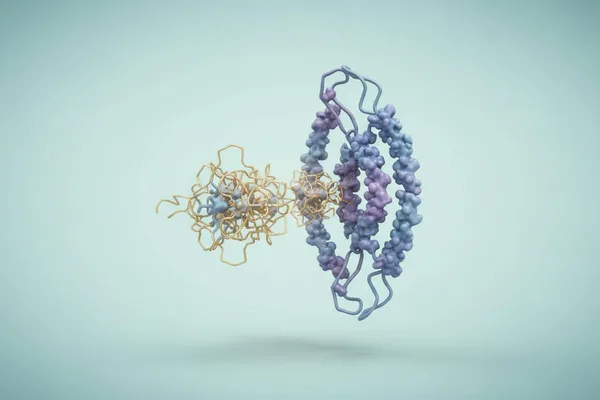
Here, 'Protease' is an enzyme that works like 'scissors' that cut the large protein ribbon.
The medicine we give, that is, the 'Protease Inhibitor' , blocks the 'scissors' (protease enzyme) from working. When the scissors stop working, the virus is unable to cut the 'ingredients' it needs to make new viruses. Then the virus is unable to replicate in the body and make copies of itself. That's the simple truth.
When the virus stops spreading in this way, it becomes easier for our body's immune system to fight off the remaining virus and control the disease.
What are the most commonly used types of Protease Inhibitors?
Because each virus has its own unique protease enzyme, different types of protease inhibitors are used to treat HIV, Hepatitis C, and COVID-19.
There is an easy way to identify the names of these medicines.
- Medications for HIV often end in '-navir' .
- The ones given for hepatitis C start with the suffix '-previr' .
The table below can explain this further.
| Disease being treated | Examples of drugs |
|---|---|
| Protease Inhibitors for HIV | Atazanavir Darunavir Lopinavir Ritonavir Saquinavir |
| Protease Inhibitors for Hepatitis C | Boceprevir Glecaprevir Grazoprevir Simeprevir |
| Protease Inhibitors for COVID-19 | A combination of two drugs, Nirmatrelvir and Ritonavir (known as Paxlovid®) |
How do I choose the right medicine for me?
This is decided by the doctor who is treating you. He takes many factors into consideration when making this decision.
- Your viral infection: whether it's HIV, hepatitis C, or COVID-19.
- Your general health: Whether you have other diseases, such as diabetes, high blood pressure, kidney or liver disease.
- Other medications you are currently taking: This is very important because some medications can interact with these Protease Inhibitors.
- Have you taken any other medication for this disease before?
- The strain of the virus you have: Some strains of the virus do not respond to certain medications.
- Possible side effects: Choose the medicine that best suits your body and has the fewest side effects.
Very important: It is essential to tell your doctor about all the medications you take (including vitamins and herbal remedies) and any medical conditions you have. This can help prevent many dangerous side effects and drug interactions.
What are the benefits of using this medicine?
The benefits of these medicines are very high.
- As part of ART treatment, HIV can be controlled to the point where it is undetectable in the body.
- Helps to completely cure hepatitis C infection.
- If you get COVID-19, it helps prevent the disease from becoming more severe .
What are the possible side effects and complications?
Like any medicine, Protease Inhibitors can cause side effects. However, not everyone gets them. Also, they vary depending on the medicine you take and your health condition.
| Type of side effect | Examples |
|---|---|
| Common side effects | |
| Digestive system problems | Stomach ache, nausea and vomiting, diarrhea |
| Other common features | Skin rash, cough, fatigue, unpleasant taste in the mouth |
| Body changes | Kidney stones, changes in the location of fat deposits in the body (Lipodystrophy) |
| Serious but rare side effects | |
| Effects on internal organs | Liver damage, internal bleeding (including bleeding inside the skull) |
| Serious skin conditions | Stevens-Johnson syndrome - a painful, blistering rash all over the body |
| Changes in metabolism | Increased blood sugar levels (Hyperglycemia), increased cholesterol levels (Hyperlipidemia) |
| Other serious conditions | Myocardial Infarction, Hemolytic Anemia, Problems with the electrical activity of the heart |
How long do I need to take this medicine?
This depends on the disease you have.
- HIV: Since there is no complete cure for HIV yet, treatment is required for the rest of your life. Treatment methods and medications may change over time.
- Hepatitis C: This disease can usually be cured with a few weeks or months of treatment.
- COVID-19: Antiviral treatment for COVID-19 is usually given for five days.
Are there things I can do to make the treatment easier?
Yes, absolutely. There are a few things you can do to reduce side effects and make treatment more successful.
- Take your medicine exactly as the doctor tells you, on time, and don't skip a single dose.
- Drink plenty of water. This helps prevent things like kidney stones.
- Avoid taking other medications that may interact with your medication. Ask your doctor about this.
- Some medications need to be taken with food. We'll look at that further.
Why do some Protease Inhibitors say to be taken with food?
There's a reason for this. Some protease inhibitors, especially those taken with a fatty meal, are better absorbed by our intestines. This increases the effectiveness of the medication. So be sure to ask your doctor whether you should take your medication before, after, or with food.
When do you need to see a doctor?
If you experience any new, unexpected side effects, or have any questions about your treatment, don't hesitate to talk to your doctor.
If you experience any of the following serious side effects, seek medical advice immediately. Go to a hospital's Emergency Department (ETU) as soon as possible.
- Fever
- Confusion or altered consciousness
- Yellowing of the eyes or skin (Jaundice)
- Painful, blistering, widespread lesions
- Severe stomach pain
- Severe vomiting that cannot be stopped
Protease inhibitors are a very important and life-saving class of drugs in the management of diseases like HIV and Hepatitis C. If you have any questions or concerns about this treatment, talk to your doctor about it openly. They can help you develop a treatment plan that works best for you.
Take-Home Message
- Protease inhibitors are a powerful class of drugs that control viral infections like HIV, Hepatitis C, and COVID-19.
- These work by stopping the virus from making copies of itself inside the body and spreading.
- It is very important to tell your doctor about every medication you take and every illness you have to avoid side effects.
- Take your medicine exactly as your doctor tells you, at the right time. Don't skip a single dose.
- If you experience any serious side effects (fever, yellowing of the skin, severe bruising), do not waste time and seek medical advice immediately.




💬 Comments (0)
No comments yet. Be the first to share your thoughts here.
Add Your Comment