

Imagine your blood flowing smoothly through your veins every single day without any trouble at all. But what if a problem starts inside your body, and unwanted blood clots begin to form in the wrong places? This can turn into a serious medical emergency that requires immediate attention from your doctor. Your body actually has a built-in safety system with a special protein called Protein C to stop these dangerous clots. When your body does not make enough of this natural protein, doctors use a special medicine called Protein C Concentrate injection to keep you safe.
This complete guide explains everything you need to know about Protein C Concentrate injection in simple, everyday English. Whether you are scheduled to receive this medicine soon or you want to understand your care plan better, we will walk you through each step. Let us explore how this treatment works, what preparations you need to make, and what side effects to watch out for along the way.
Key Takeaways
- Protein C Concentrate is a special medicine used to replace low levels of Protein C in your blood.
- It acts like a natural brake to stop dangerous and unwanted blood clots from blocking your blood vessels.
- Medical professionals give this medicine directly into your vein inside a hospital or clinic setting.
- You must share your complete medical history and allergy details with your doctor before starting treatment.
- Always report any signs of allergic reactions, unusual dizziness, or breathing trouble to your nurse right away.
What Is Protein C Concentrate?
Put simply, Protein C Concentrate is a medicine given from the outside to boost low levels of Protein C in your body. Think of Protein C as a natural brake system that controls how your blood clots. When this brake gets weak or your Protein C level drops too low, your blood clotting process goes out of control. This can cause dangerous blood clots to form inside your veins and travel to vital organs like your heart, lungs, or brain.
Doctors give this medicine through an injection into a vein to raise your Protein C level quickly. This treatment helps prevent new blood clots from forming and treats clots that are already there. You may also hear doctors refer to this medicine by its brand name, Ceprotin. Knowing why you need this medicine helps you feel more confident about your upcoming hospital care and treatment plan.
Things to Tell Your Doctor Before Starting Treatment
Before you start this treatment, sharing your complete health background with your doctor is very important. Your doctor uses this information to decide if the medicine is safe for you and to calculate the correct dose. Make sure you talk openly about your medical history and answer every question honestly.
| Information You Must Share | Why It Matters for Your Safety |
|---|---|
| Your personal allergies | This medicine can sometimes contain mouse proteins, heparin, or other ingredients. Tell your doctor if you react to medicines, foods, or animal proteins. |
| Kidney health problems | Your kidneys help filter and clear medicines from your body. Weak kidneys mean your doctor may need to adjust your medicine dose. |
| Following a low-salt diet | Some forms of this medicine contain sodium. If you must limit salt for your heart or blood pressure, your medical team needs to know. |
| Pregnancy or family planning | We do not have complete safety data for pregnant women. Your doctor will help you weigh the health risks versus benefits. |
| Breastfeeding your baby | Discuss with your doctor whether tiny amounts of this medicine can pass into breast milk and affect your nursing infant. |
How Is This Medicine Given?
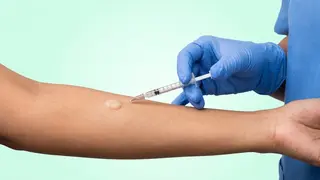
You cannot take this medicine at home by yourself. Doctors give Protein C Concentrate as an injection directly into a vein inside a hospital or specialized clinic. Trained doctors and nurses supervise every step of your infusion to keep you safe and comfortable.
Giving This Medicine to Small Children
Yes, doctors do give this medicine to children in special medical situations. In severe cases, even newborn babies as young as two days old receive this life-saving treatment. However, doctors only do this with extreme care and under strict pediatric specialist supervision.
What to Do If You Receive Too Much Medicine
Because medical staff give this medicine in a controlled hospital setting, accidental overdose rarely happens. If you ever suspect that someone received too much medicine, contact the national poison control center right away. You should also go to the nearest hospital emergency department right away for urgent medical care.
Doctors prescribe this specific medicine just for you based on your unique body weight and illness. Never share your medicine with anyone else.
Things to Watch Out For During Your Treatment
Your medical team will monitor your health closely during the entire time you receive this medicine. Blood tests and vital signs check how your body responds to every single dose.
Is This Medicine Made From Human Blood?
Many patients ask this important question before starting treatment. Yes, manufacturers make this medicine using plasma collected from healthy human blood donors. Some people feel nervous about whether this process could spread infections or diseases to their bodies.
You do not need to worry because manufacturers test all blood plasma donations through strict screening methods. They use advanced virus-removal steps to ensure the medicine is clean. To this day, no viral infections have ever spread through this specific medicine. Always talk to your doctor if you have lingering worries.
- Routine blood tests: Your doctor will order frequent blood tests to check your Protein C levels and monitor your clotting status.
- Feeling dizzy: This medicine can make some people feel dizzy or lightheaded after the infusion finishes.
- Changing body positions: Avoid standing up too fast from a sitting or lying position to prevent falls.
- Avoiding alcohol: Stay away from alcohol completely during your treatment because it can make dizziness much worse.
What Side Effects Can Happen?
Just like any medicine, Protein C Concentrate can cause side effects, though not everyone experiences them. Knowing what symptoms to watch for helps you get fast medical help when needed.
| Side Effect Type | Warning Signs to Watch For |
|---|---|
| Severe Allergic Reactions (Report right away) | Skin rashes, hives, itching, swollen face, swollen lips, swollen tongue, or trouble breathing. Get help right away. |
| Common Side Effects (Report if bothersome) | Mild dizziness, feeling weak, feeling faint, mild fever, or sweating. Tell your nurse if these symptoms do not go away. |
If you notice any unusual symptoms or strange feelings that are not listed here, tell your doctor right away. Your healthcare team is always ready to support you and keep you safe.
Can Other Medicines Cause Problems?
Yes, some other medicines can react poorly with Protein C Concentrate. Blood-thinning medicines like Warfarin and clot-dissolving medicines like Alteplase can cause unwanted drug interactions.
Make sure you give your doctor a complete list of everything you take. This includes prescription drugs, over-the-counter painkillers, vitamins, herbal supplements, and traditional remedies. Tell your doctor if you smoke tobacco or drink alcohol so they can plan your care safely.
Emergency Warning Signs: When to Get Help
Call 911 (US/Canada), 999 (UK), or go to your nearest hospital Emergency Department (ER / A&E) right away if you experience severe allergic symptoms such as sudden trouble breathing, wheezing, swelling of your throat, or sudden chest pain.
💡 Take-Home Message
Protein C Concentrate is a vital medicine that helps prevent dangerous blood clots in people with low natural protein levels. Always share your complete medical history, allergies, and current medicines with your doctor before starting treatment. Medical staff give this injection safely inside a hospital under careful supervision. Watch closely for allergic reactions or dizziness, and report any concerns to your nurse right away. Human plasma donors provide this medicine through safe, heavily screened processes so you can receive treatment with confidence.
Sources & References:
- Cleveland Clinic. Protein C Deficiency and Blood Clotting Disorders Overview.
- Mayo Clinic. Thrombophilia and Anticoagulation Therapy Patient Guide.
- National Health Service (NHS UK). Blood Clot Prevention and Treatment Guidelines.
- Centers for Disease Control and Prevention (CDC). Venous Thromboembolism Information.
- National Institutes of Health (NIH) / PubMed. Clinical Evaluation of Plasma-Derived Protein C Concentrate.





No comments yet. Be the first to share your question or experience below.