

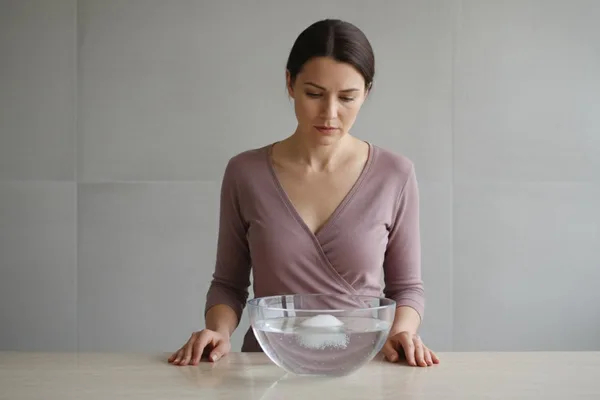
Have you noticed that your urine is more foamy and bubbly than usual when you go to the toilet lately? You may not have paid much attention to it. However, this can be an early sign of a problem with our kidneys. Today we are talking about a topic that is important to many people, but not exactly known. That is the excretion of protein with urine, a condition we call 'proteinuria' in medical terms.
Simply put, what does it mean to have protein in your urine?
Think of our kidneys as a very fine filter that filters tea leaves. As our blood passes through this filter, it filters out waste products that are not needed by the body and excretes them as urine. However, essential substances, such as proteins (especially albumin), are retained in the blood instead of being filtered out.
But, what happens if for some reason the pores in the fine filter in these kidneys become enlarged or damaged? Then, the valuable proteins that the body needs to retain start leaking out through those pores and coming out with the urine. That's what we call `Proteinuria`.
Is all protein loss serious? Let's look at the types of it
No. Protein in the urine is not always something to worry about. Sometimes it can be temporary, and it can be caused by something less serious. Let's break it down into three main types.
| Type of proteinuria | What does this mean? |
|---|---|
| Transient | This is the most common and least serious type. It occurs when protein in the urine appears for a temporary reason and then disappears when the cause is gone. Examples: high fever, excessive exercise, excessive stress, dehydration (lack of water in the body). |
| Orthostatic | This is a bit of a strange phenomenon. Some people, especially tall, thin young people, have protein in their urine when they stand or sit all day. However, when they wake up and look at their urine in the morning, it is normal. This is also not a serious condition. |
| Persistent | This is the type we should be concerned about. This means that protein is consistently found in multiple urine tests over time. This can often be a sign of an underlying medical condition, especially kidney disease. |
How do I know if I have this condition? Symptoms
Most of the time, if the amount of protein you pass in your urine is small, you may not experience any symptoms. But when you pass too much protein, which means there is some damage to your kidneys, you may experience these symptoms.
- Foamy or bubbly urine: This is the first sign that many people notice. If your urine is foamy more than usual, be concerned.
- Edema: Swelling, especially in the feet, ankles, hands, or face . This is because proteins in the blood help retain fluid within the blood vessels. When proteins are lost, this fluid leaks into the surrounding tissues, causing swelling.
- Puffiness around the eyes when you wake up in the morning: This is also a very important symptom.
- Fatigue and fatigue: A condition caused by decreased protein in the blood and decreased kidney function.
- Nausea and vomiting.
- The food is tasteless.
- Rolling of lumps of flesh on the legs at night.
The most important thing is to see a doctor for advice, rather than just guessing, if you have one or more of these symptoms.
Why does this happen? Main causes of proteinuria
Protein in the urine can be caused by both temporary causes and serious long-term medical conditions.
Most common reasons
- Diabetes Mellitus: Uncontrolled diabetes is the leading cause of kidney disease in our country. When blood sugar levels are high over a period of time, it damages the delicate filtering system of the kidneys.
- High blood pressure (Hypertension): This is another major enemy that damages the kidneys, along with diabetes. High blood pressure damages the blood vessels in the kidneys and causes protein to leak out.
- Inflammatory conditions in the kidneys (Glomerulonephritis): This occurs when a problem with the body's immune system attacks and damages the filtering units of the kidneys.
- Kidney infections.
- Kidney stones.
Other reasons
- Some autoimmune diseases: For example, lupus.
- Some types of cancer: for example `Multiple Myeloma`.
- High blood pressure during pregnancy (Preeclampsia): If a pregnant mother develops this condition, immediate medical treatment is required.
- Congestive heart failure.
- Long-term use of certain medications: especially some painkillers.
- Poisoning: For example, heavy metals.
How do you find this, Doctor?
When you go to see a doctor, he or she will ask you about your symptoms and examine you. Then, they may order tests like these to confirm the condition of `Proteinuria` and find out the cause.
1. Urine Test: This is the most basic and simplest test. A small strip (dipstick) is inserted into the urine sample you provide and is tested for protein. In addition, the urine is examined under a microscope to see if there are other types of cells or protein casts.
2. 24-hour urine collection test: This involves collecting all the urine you excrete throughout the day and measuring the total amount of protein in it. This will give you an idea of how much protein you are excreting in a day.
3. Blood tests: These check kidney function (e.g. creatinine level) and protein levels in the blood.
4. Scans: An ultrasound or CT scan may be done to check the shape, size, and other problems of the kidneys.
5. Kidney Biopsy: This is not something that everyone can do. If you have high levels of protein in your urine, or if it is difficult to find the cause of the disease, your doctor may recommend this test. This involves taking a small piece of tissue from your kidney using a numbing, very small needle and examining it under a microscope.
What are the treatments for this?
The most important thing we need to understand here is that we are not treating the protein in the urine, but the underlying medical condition that is causing it.
- If the cause is diabetes or high blood pressure , those conditions need to be well controlled. It is essential to take the prescribed medications on time, control your diet, and exercise.
- If the cause is an inflammatory condition of the kidneys (Glomerulonephritis), medications that control the immune system may be given.
- Lifestyle changes: If you smoke, quitting, reducing salt and fatty foods, and controlling your weight are very important.
- If kidney function is severely impaired, dialysis or a kidney transplant may be necessary.
Does drinking a lot of water reduce protein loss?
This is a question that many people ask. No. Drinking a lot of water only dilutes your urine. This means that the concentration of protein in a single urine test may decrease. But the total amount of protein excreted throughout the day will not change. Because the leak in the kidneys is still the same. It's like filling a bucket with water. Adding water will not close the hole. Therefore, the only solution is to take treatment as directed by your doctor.
Take-Home Message
- If your urine is foamier than usual, don't ignore it. It's a sign worth showing to a doctor.
- Not all conditions that cause protein in the urine are serious, but it is essential to find out exactly what is causing it.
- Two of the main causes of kidney damage in our country are uncontrolled diabetes and high blood pressure. If you have these diseases, control them well.
- When treating proteinuria, it is more important to treat the underlying disease that is causing it than to eliminate the protein in the urine.
- Early detection of this condition and proper treatment can prevent serious conditions such as complete kidney failure.




💬 Comments (0)
No comments yet. Be the first to share your thoughts here.
Add Your Comment