

Have you ever noticed that your urine , or urine, is a little foamy? Or maybe a doctor has done a urine test and said, "You have a little too much protein in your urine." That's what we medically call proteinuria . Simply put, this means that your urine has more protein than it should. This can sometimes be an early sign of kidney failure.
What is protein and why is it so important for our bodies?
Think about it, proteins are like the workers in our bodies. They do a lot of important work.
- It helps build muscles and bones . When we run and jump, when we lift weights, we need strong muscles.
- Regulates the amount of fluid in our blood .
- They help our bodies fight infections . They're like little soldiers in our bodies.
- They are also responsible for repairing damaged tissue .
These proteins are supposed to be in our blood. That's where they do their important work. But, if for some reason these proteins leak out of the blood and end up in the urine, that means they're being eliminated from the body. If that happens, it can affect the health of our entire body.
Is protein in urine serious?
Yes, protein in the urine is indeed a concern , as some studies have shown that this condition increases the risk of death from heart disease and cardiovascular disease.
Sometimes, this condition, called proteinuria, can be the first sign of chronic kidney disease (CKD) . However, some people may have normal levels of protein in their urine even though they have CKD. CKD is a gradual loss of kidney function. If this continues, you may need a kidney transplant or dialysis. Diabetes and high blood pressure are the two main causes of kidney damage. These are the most common causes of kidney disease.
Who is most at risk for this condition?
Anyone can develop proteinuria. However, you are more likely to develop this condition if:
- If you are over 65 years old .
- If anyone in your family has had or currently has kidney disease .
- If you have another medical condition that affects your kidneys, such as diabetes .
- This risk has been found to be higher in certain ethnic groups (for example, blacks, Hispanics, Native Americans, or Pacific Islanders).
How common is this condition?
Proteinuria is a relatively common condition. For example, it is reported that about 6.7% of the population in the United States has this condition.
How does protein get into the urine? What happens inside the kidneys?
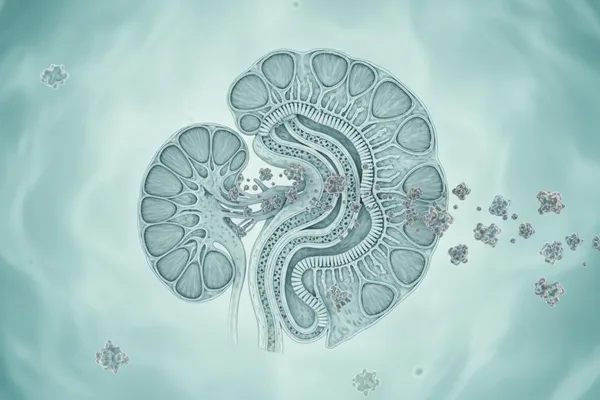
Think of our kidneys as a super filter. Their main job is to filter out waste products and excess water from our blood. These filtered waste products and water are what exit the body as urine.
Inside the kidneys are many tiny blood vessels called glomeruli . These are the first stage of blood filtration. Normally, these glomeruli do not allow large protein particles or blood cells to pass through into the urine. It is like a mesh sieve catching large pieces. However, if some small protein particles do pass through these glomeruli, the long, thin tubes (tubules) in the kidneys reabsorb those proteins back into the body.
So, protein starts to go into the urine if something goes wrong with this process:
- If there is damage to either the glomeruli or the tubules.
- If there is a problem with the protein reabsorption process.
What are the symptoms of this? How do we recognize it?
Proteinuria often does not show any symptoms in the early stages . That's why it can be a bit dangerous. However, as the condition progresses, symptoms such as:
- Swelling of the face, abdomen, legs, or ankles (edema) . Some people report that their face feels puffy when they wake up in the morning, or that their legs swell in the evening.
- Needing to urinate frequently.
- Difficulty breathing.
- Severe fatigue, exhaustion.
- Nausea and vomiting.
- The food is tasteless.
- Muscle cramping at night.
- Puffiness around the eyes, especially in the morning.
- Foamy or bubbly urine. This is the first symptom that many people notice. If it foams up like soapy water, you should be concerned.
Important: These symptoms could actually be signs of chronic kidney disease. If you experience these symptoms, especially foamy urine and swelling, see a doctor immediately.
What are the causes of proteinuria?
In most cases, proteinuria can be caused by relatively harmless (non-cancerous) or temporary medical conditions. Examples of these include:
- Dehydration - This means not having enough water in the body.
- Inflammation- An inflammation that occurs somewhere in the body.
- Low blood pressure (Hypotension).
- Kidney stones.
Also, things like strenuous exercise, stress, taking medications like aspirin every day, and exposure to extreme cold can temporarily increase protein levels in the urine.
However, more serious medical conditions can also damage the kidneys and cause proteinuria. Such conditions include:
- Some immune disorders , such as lupus and Goodpasture's syndrome.
- Acute kidney inflammation , also known as glomerulonephritis.
- Plasma cell cancer , also known as multiple myeloma.
- The destruction of red blood cells causes hemoglobin to accumulate in the blood (intravascular hemolysis).
- Cardiovascular disease.
- Proteinuria and high blood pressure in a pregnant woman at the same time - this is called preeclampsia.
- Poisoning.
- Physical accidents/injuries (`Trauma`).
- Kidney cancer.
- Heart conditions (`Congestive heart failure`).
How much protein should we be concerned about in our urine?
Normally, the amount of protein in our urine should be less than 150 milligrams per day. If your urine contains more than 150 milligrams of protein per day, that is called proteinuria. The upper limit of this normal level may vary slightly from lab to lab.
If you have between 3 and 3.5 grams of protein in your urine per day, it is called nephrotic-range proteinuria . Nephrotic syndrome is a relatively rare condition in which the kidneys excrete too much protein into the urine.
Is this a contagious disease?
No, proteinuria is not a contagious disease . However, if other people in your family have the condition, you are more likely to develop it. This means there may be a hereditary predisposition.
How do you diagnose this exactly? What tests are done?
Your doctor will first perform a dipstick test to diagnose proteinuria.. In this test, you urinate into a special container at your doctor's office or hospital. Then, the doctor dips a thin plastic stick (dipstick) coated with a special chemical into the urine sample. If there is a lot of protein in the urine, the stick will change color.
Then, your doctor will do a urinalysis on the remaining urine sample. This will look at the appearance, chemical composition, and internal structures of the urine under a microscope. The doctor will look for things that are not normally found in urine. For example, red blood cells, white blood cells, bacteria, and salt or protein crystals that can form kidney stones.
What to do if you suspect kidney disease?
If your doctor suspects you have kidney disease, he or she will ask you to repeat urine tests three times over a three-month period. If protein is found in each of the urine samples, it is likely that you have a chronic (long-term) condition. The sooner this is detected, the better the chances are of controlling and stopping the progression of kidney disease.
In addition, the following tests can be performed:
- Creatinine clearance test: Creatinine is a chemical waste product. This test measures the amount of creatinine in your urine and blood. If your kidneys are healthy, they remove creatinine from your blood and pass it into your urine. But if your kidneys aren't working properly, creatinine stays in your blood.
- Glomerular filtration rate (GFR) blood test: The GFR compares the levels of proteins called creatinine and albumin in your blood, based on your body size, age, biological sex, and ethnicity. The GFR can tell your doctor how well your kidneys are working and how advanced your kidney disease is. This information can help you develop the best treatment plan.
- Blood tests that measure the total amount of protein in serum: Serum is the protein-containing part of the blood.
- Imaging tests: Tests such as CT scans and ultrasounds can detect problems such as kidney stones, tumors, or urinary tract obstructions.
- Urine protein electrophoresis (UPEP): UPEP allows your doctor to look for specific types of proteins. Your urine sample is sent to a lab. There, a lab technician applies an electric current to your urine sample. This can reveal the amount of protein in your urine.
- Immunofixation blood test (IFE):The doctor uses a small needle and tube to take a blood sample from a vein in your arm or hand. The blood sample is sent to a lab to be tested for specific proteins in the blood.
- Kidney biopsy: In this test, your doctor removes a very small piece of your kidney. The sample is sent to a lab. A lab technician examines the kidney sample under a microscope to see what is causing your kidney disease and how much damage has occurred.
How is this treated?
The treatment for proteinuria depends on the cause . Each cause has its own treatment.
If proteinuria is caused by kidney disease , your treatment plan may include medications, dietary changes, and exercise . If you have high blood pressure, your doctor will prescribe medication. If you have low blood pressure, it's a good idea to have a urine test and blood pressure checked every year.
If you have diabetes , you need to control your blood sugar levels . You also need to have your GFR blood tested every year.
Pregnant women with a history of preeclampsia should see their doctor regularly for checkups. Although preeclampsia is a serious condition, it usually gets better within a few days or weeks after delivery.
If you have proteinuria but don't have diabetes, high blood pressure, or any other medical conditions, your doctor may prescribe blood pressure medication to help prevent kidney damage. It's a good idea to have your blood pressure checked and your urine tested every six months to make sure you don't have kidney disease.
If you have mild or temporary proteinuria, you may not need any treatment.
Does drinking water reduce protein in urine?
No, drinking more water will not cure proteinuria. Drinking more water will make you urinate more, which may reduce the amount of protein in your urine at one time. However, it will not stop the kidneys from leaking protein.
How do I take care of myself? What things do I need to do?
The best way to take care of yourself is to take your medications exactly as prescribed by your doctor.
In addition, here are some other ways you can help:
- Reducing protein-rich foods.
- Limiting salt intake. This will help lower your blood pressure.
- Eating more fiber-rich foods can help lower cholesterol and regulate blood sugar levels.
- Exercising or staying active regularly.Try to engage in at least two hours of activity per week.
- Check your blood sugar levels regularly.
- Quitting smoking and tobacco use.
- Avoid taking nonsteroidal anti-inflammatory drugs (NSAIDs) unless prescribed by a doctor. The most commonly used NSAIDs are aspirin (Bayer®), ibuprofen (Advil®), and naproxen (Aleve®).
Is there a way to prevent this?
Proteinuria cannot be completely prevented . However, you can manage it. Many conditions that cause proteinuria can be controlled with medication and lifestyle changes.
What is the outlook for someone with proteinuria?
If diagnosed correctly and treated appropriately, the outlook for people with proteinuria is good.
However, if left untreated, proteinuria can even lead to death. Studies have shown that people without proteinuria live longer than those with mild or severe proteinuria.
When should I see a doctor?
If you experience any of these symptoms, see a doctor immediately:
- If you need to urinate more often than usual, or if you feel pain when urinating.
- If your urine is foamy or has bubbles.
- If you feel nauseous or vomit.
- If you feel dizzy, weak, or lightheaded.
- If you have swelling or puffiness in your face, stomach, or lower body.
- If your symptoms do not improve after treatment.
What questions should I ask my doctor?
When you go to see the doctor, you can ask questions like these:
- How does the doctor know for sure that I have proteinuria?
- What condition caused me to develop proteinuria?
- What tests do you recommend?
- Do I have mild or temporary proteinuria?
- What medications or treatments do you recommend?
- Do I need to make any changes to my diet or lifestyle?
- If I don't have proteinuria, what other condition could I have?
What is the difference between Proteinuria and Orthostatic Proteinuria?
Orthostatic proteinuria ( also called postural proteinuria) means that youThis means that there is a lot of protein in your urine when you urinate while standing, but the protein in your urine is normal when you urinate while lying down. This is a condition that is usually seen in young people, especially tall and thin people, and is not very dangerous.
What is the difference between Proteinuria and Transient Proteinuria?
Transient proteinuria is a temporary condition . It is usually caused by things like strenuous exercise, stress, fever, and prolonged exposure to extreme cold. Transient proteinuria usually resolves on its own without any treatment.
Proteinuria is an elevated level of protein in your urine. If you have proteinuria, you may need to urinate frequently, and your urine may be foamy or bubbly. You may also experience common symptoms of illness, such as nausea, vomiting, fatigue, and swelling. If you have these symptoms for more than a few days, it's best to see a doctor. He or she can diagnose the condition that's causing your proteinuria and prescribe treatments to help keep your kidneys healthy.
Finally, things to remember
Okay, so from what we've discussed, I hope you've gotten a good idea about proteinuria. The most important thing is to see a doctor if you notice any changes in your urine (especially foamy urine) or swelling in your body. If you recognize it early, you can prevent many problems. The kidneys are like the silent servants of our body. It's our responsibility to take good care of them. Don't worry, these conditions can be controlled with proper medical advice and treatment.
👩🏽⚕️ Additional questions (FAQs)
💬 How to easily identify proteinuria?
If you have a lot of protein in your urine, you may notice foamy urine that looks like soap scum in the toilet bowl. This is the main symptom you may notice at home.
💬 Does that mean my kidneys are bad?
Protein can temporarily be excreted in the urine when you have a high fever, sweat a lot, or exercise vigorously. However, if protein is excreted continuously for months (if the UFR test is consistently positive), it is definitely a sign that the blood filters (glomeruli) in the kidneys are damaged. This is especially common in people with diabetes.
💬 Why does the body swell when protein is lacking?
When the main protein in our blood (albumin) is excreted in the urine, the blood becomes less thick and water leaks out of the blood vessels. This immediately causes swelling in the legs, ankles, and especially around the eyes when you wake up in the morning (puffy eyes).
` proteinuria, protein in urine, kidney disease, foamy urine, kidney health, kidney damage, CKD




💬 Comments (0)
No comments yet. Be the first to share your thoughts here.
Add Your Comment