

Have you ever woken up in the morning, looked in the mirror, and noticed your eyes looked bright red? Or maybe your eyes felt itchy, tired, and uncomfortable all day long. This common issue is what doctors call a "red eye."
It is one of the most frequent health concerns people experience at some point in life. While it can look alarming, there is usually no need to panic. Let us look at what causes red eyes and how you can take care of them safely.
Key Takeaways
- Red eyes happen when tiny blood vessels on the white part of your eye swell up.
- Most causes are mild and clear up in a few days with proper rest and care.
- Never put random eye drops into your eyes without asking a doctor first.
- Severe pain, blurry vision, or discharge require an immediate trip to the doctor or emergency room.
Know your body mass index (BMI) and weight classification
What Does a Red Eye Actually Mean?
Simply put, a red eye is a general term for eyes that look red, swollen, and uncomfortable. The white part of your eye contains many tiny blood vessels. When something irritates your eye, these vessels get bigger and wider, which makes your eyes look red.
Think of it as your eye's natural way of reacting to stress, irritation, or infection. Redness can affect just one eye or both eyes at the same time. It can appear suddenly or develop slowly over the course of a day.
Along with redness, you might notice a few other common symptoms:
- Mild or sharp pain in your eyes.
- Itching or a burning sensation.
- Watery eyes or thick discharge.
- Swelling around your eyelids.
- Blurry vision or trouble seeing clearly.
Is a Red Eye Always Serious?
In most cases, a red eye is not a dangerous health problem. Many everyday causes are completely harmless and improve quickly with simple home care or over-the-counter eye drops from your local pharmacy.
If your red eye lasts for more than one week, or if you feel sharp pain and vision changes, you should schedule an appointment with your doctor right away. Sometimes, red eyes can point to an underlying medical condition that needs professional treatment.
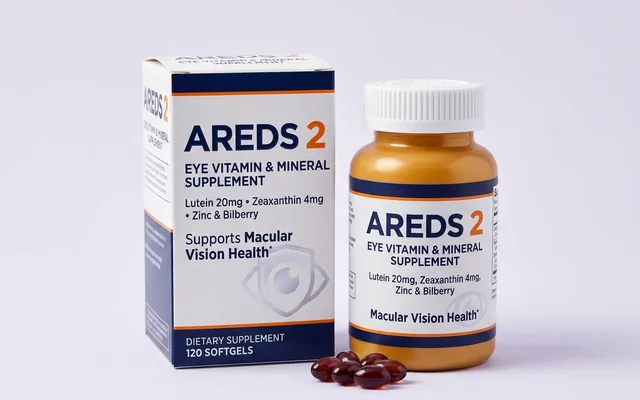
National Eye Institute AREDS 2 clinical formula with Lutemax 2020 Lutein & Zeaxanthin to filter harmful blue light and protect the macula, retina, and lens clarity.
View Clinical Details →What Are the Main Causes of Red Eyes?
There are many different reasons why your eyes might turn red. Wearing contact lenses for too long or staring at a computer screen for hours can easily trigger redness. Let us review the most frequent causes.
| Common Cause | Simple Explanation |
|---|---|
| Allergies | Your eyes react to dust, pollen, smoke, or pet dander floating in the air. |
| Blepharitis | Inflammation along the edges of your eyelids, causing itching, redness, and crusting. |
| Conjunctivitis (Pink Eye) | A common viral or bacterial infection of the eye surface that spreads very easily. |
| Dry Eye Syndrome | Your eyes do not make enough tears, leading to dryness, redness, and burning. |
| Eye Injuries | A scratch, bump, or foreign object causes blood vessels to expand rapidly. |
| Glaucoma | A serious condition where fluid pressure inside the eye rises, damaging the optic nerve. |
What Can You Do at Home?
When a red eye happens due to simple irritation, you can try several helpful home remedies to soothe the discomfort:
- Give Your Eyes a Break: Rest your eyes by limiting screen time on phones, tablets, and computers.
- Use a Cool Compress: Soak a clean cloth in cool water, close your eyes, and place it gently over them for a few minutes.
- Keep Eyelids Clean: If crusts form around your lashes, wipe them away softly using a cotton pad dipped in clean warm water.
- Try Artificial Tears: Over-the-counter lubricating drops can help soothe dryness. Always ask your doctor before using any medicated drops.
If your doctor examines your eye and finds an infection, they may prescribe antibiotic eye drops, ointments, or special allergy medicines tailored to your needs.
Can You Prevent Red Eyes?
You cannot prevent every single case of red eyes, but you can lower your risk by following these healthy daily habits:
- Do Not Rub Your Eyes: Germs and dirt on your hands can enter your eyes and make infections much worse.
- Clean Contact Lenses Properly: Never wear your lenses longer than recommended by your eye doctor.
- Remove Makeup Before Bed: Wash away all eye makeup every night to prevent clogged oil glands and irritation.
- Take Screen Breaks: Follow the 20-20-20 rule. Every 20 minutes, look at something 20 feet away for 20 seconds.
- Avoid Allergens: Stay away from heavy smoke, dust, and animal dander if you know you are sensitive to them.
- Wash Your Hands Often: Clean hands prevent contagious eye infections from spreading.
When Should You See a Doctor?
If your red eye does not improve after a couple of days, or if a young child has red eyes, it is wise to consult a doctor. Watch out for serious warning signs that require immediate medical attention.
⚠️ Emergency Red Flags: When to Seek Immediate Care
Call 911 (US/Canada), 999 (UK), or visit your nearest Emergency Department (ER or A&E) right away if you experience red eyes combined with any of these symptoms:
- Severe Eye Pain: Intense or sharp throbbing pain instead of mild discomfort.
- Vision Changes: Sudden blurriness, double vision, or trouble seeing objects clearly.
- Light Sensitivity: Extreme discomfort or inability to open your eyes in normal room light.
- Heavy Discharge: Thick yellow or green pus that glues your eyelids shut in the morning.
- Systemic Symptoms: Fever, severe headache, or body aches accompanying your eye redness.
- Physical Trauma: Redness that starts right after a direct blow, chemical splash, or scratch to the eye.


No comments yet. Be the first to share your question or experience below.