

Beautiful, healthy skin is something we all want, right? But at the same time, we also face problems like acne, wrinkles, and blemishes. When looking for solutions to these things, you may have heard the name "Retinol". Today, let's talk about what this retinol is, what it actually does to our skin, and how to use it safely.
What exactly is Retinol?
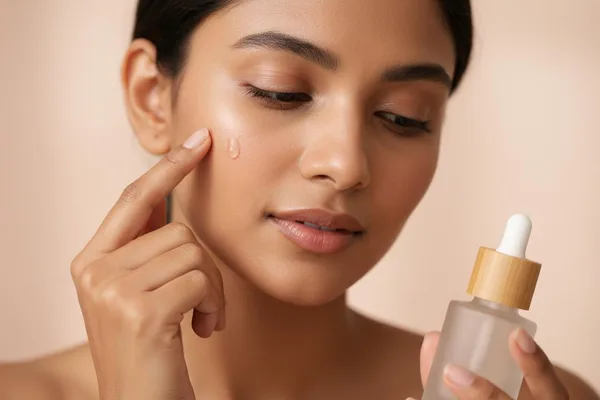
Simply put, retinol is a form of vitamin A. It is used as a topical treatment on the skin. You will find it in a variety of products.
- Creams
- Gels
- Lotions
- Ointments
- Serums
You can buy some retinol products over the counter at a pharmacy without a prescription. However, there are stronger retinoids that are needed to treat certain skin conditions. You can only use them if a doctor prescribes them.
What does retinol do to our skin?
Think of retinol as a little 'trainer' for our skin. It does a few key things.
1. Accelerates the formation of new skin cells: The dead cells on the top of our skin are removed, accelerating the emergence of new healthy cells.
2. Cleans pores: It prevents oil and dead cells from accumulating inside the pores of the skin. This is a major cause of acne.
3. Increases Collagen Production: Collagen is a protein that helps our skin look youthful and firm without sagging. This decreases as we age. Using retinol increases collagen production, reducing fine lines and wrinkles, giving the skin a fresh, plump look.
What skin problems can Retinol be used for?
Retinol is not just a killer for killing two birds with one stone, it's something that can kill many. Let's see what it is.
| Skin problem | How Retinol Helps |
|---|---|
| Acne | It helps to prevent the formation of acne, blackheads, and whiteheads by unclogging the pores. Acne may increase slightly in the first few weeks, which is called a "retinol purge." However, with continued use, your skin will clear up. |
| Acne Scars & Dark Spots | By speeding up skin cell turnover, it helps fade hyperpigmentation caused by acne and sun damage. However, it doesn't have much effect on deep scars like pits. |
| Large pores | Because the pores are clean and the top layer of skin thickens, the appearance of pores becomes less pronounced. |
| Wrinkles | By increasing collagen production and increasing skin elasticity, it reduces the appearance of fine lines and wrinkles that occur with aging, giving a youthful appearance. |
| Stretch marks | It can help fade early pink/red stretch marks. However, do not use it during pregnancy or breastfeeding without consulting your doctor. |
How exactly do you use Retinol?
Retinol is a very powerful substance. So it's not a good idea to just take it and apply it to your face. It can even damage your skin if you don't use it properly. Here are some steps to follow.
1. Do a Patch Test: Before using for the first time, apply a small amount to a small area, like behind your ear, and wait for a couple of days. Only if your skin doesn't become red or itchy, start using it on your face.
2. Cleanse your skin thoroughly: Wash your face with a gentle cleanser and moisturize. Never rub your skin vigorously when applying retinol.
3. Apply a small amount: A pea-sized amount is enough for the entire face. Applying more than that will not give you quick results and will only cause skin allergies. Be careful not to apply around the eyes, nose, and mouth.
4. Start slowly: For the first two to three weeks, use it only every other night . Once your skin gets used to it, you can use it every night.
5. Apply a moisturizer: After applying retinol, apply a good moisturizer that suits your skin. This can help control skin dryness.
6. Definitely use sunscreen: This is the most important thing.
When using retinol, your skin becomes very sensitive to sunlight (photosensitive). Therefore, it is essential to apply a sunscreen with SPF 30 or higher when going out in the morning. Otherwise, your skin can be seriously damaged.
What are the possible side effects of using Retinol?
When you first start using it, you may experience some minor discomfort until your skin gets used to it. This is usually temporary.
- Skin dryness and irritation
- Itching or burning sensation
- Redness and peeling of the skin
- Increased risk of sunburn
If these symptoms persist or worsen, stop using retinol and see your doctor .
What to do if these side effects occur?
- Apply every other day: Instead of applying every day, reduce the frequency of application to once every other day.
- Do not use other retinol products: Use only one retinol product at a time.
- Wash your face and wait 30 minutes before applying: Do not apply immediately after washing your face, but apply after the skin is completely dry.
- Moisturize well: Use a good moisturizer morning and night to keep your skin hydrated.
Can I use other skincare products with Retinol?
Yes, you can. But be very careful. Some ingredients can be harmful to the skin when used together.
- With Hyaluronic Acid: This is a great combination. Hyaluronic acid is a moisturizer that helps to control the dryness of the skin caused by retinol.
- With Vitamin C: Both are very good for the skin. But don't mix them together. The best way is to use Vitamin C in the morning and Retinol at night .
- With Salicylic Acid or Glycolic Acid: Both of these are acids used for acne and skin lightening. Using them at the same time as retinol can cause skin to become very dry and irritated. So, talk to your doctor about alternating between using them on different days or using one in the morning and the other at night.
Is it safe for pregnant and breastfeeding mothers to use Retinol?
This is a very important question.
Doctors advise against using retinol or other retinoids during pregnancy. They can be absorbed into the bloodstream and harm the unborn baby.
Although it is believed that the risk to the baby from retinol applied to the skin during breastfeeding is low, it is safest to discuss this with your doctor before making a decision.
Take-Home Message
- Retinol is a powerful ingredient made from vitamin A that treats acne, wrinkles, and blemishes.
- When first using, start with a pea-sized amount, one day at night only .
- While using retinol, it is essential to use sunscreen in the morning.
- It may take several weeks or months to see results, so be patient and continue using it.
- If you have severe skin allergies or if regular retinol doesn't work for your skin problem, see a dermatologist .
- Avoid using retinol completely during pregnancy.




💬 Comments (0)
No comments yet. Be the first to share your thoughts here.
Add Your Comment