
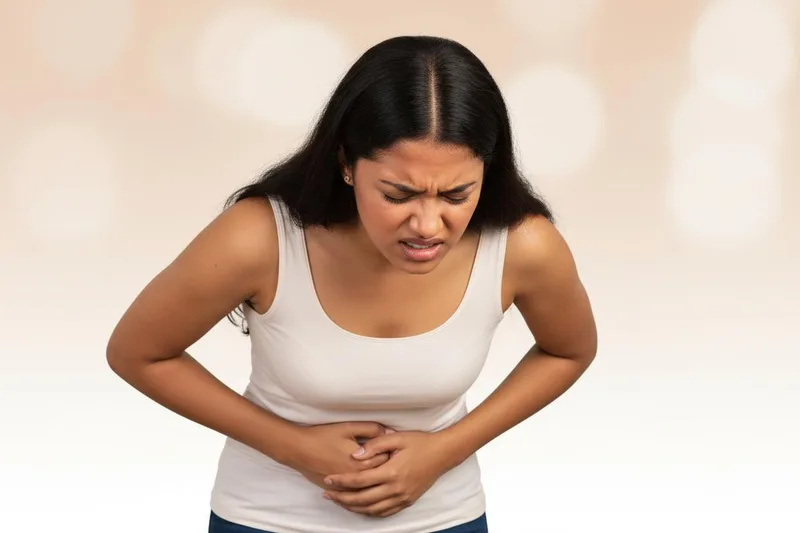
Have you suddenly developed symptoms like diarrhea and fever along with a stomach ache? Perhaps the cause is a bacterium called Shigella. This is actually a very common infection. Today, we will talk about this Shigella infection, or as doctors call it, Shigellosis. When you know exactly what it is, you will understand how to avoid it and what to do if it happens.
What is Shigella infection? Simply put...
Shigella is a type of bacteria. This bacteria affects our digestive system . Specifically, our intestines. When it enters the body, it causes symptoms like stomach cramps, diarrhea, and fever. Sometimes, the diarrhea can be accompanied by blood or mucus.
The most dangerous thing about this is that Shigella is a very contagious disease. It can be easily transmitted from one person to another. How is it transmitted? Mainly through contaminated food and water. Imagine, you are bathing in a place with contaminated water, and if you accidentally swallow some of the water, you can still get infected.
Doctors sometimes call this condition bacillary dysentery . The word "dysentery" means diarrhea with blood or mucus. So it's called that because Shigella infection also shows similar symptoms.
Who is more likely to get Shigella infection?
Actually, anyone can get it. However, some people are more likely to get it. It is especially common in places with poor hygiene and crowded places.
For example:
- School
- Day care centers
- Nursing homes
There are young children, they always put their hands in their mouths, they put toys in their mouths. So, they have a very high chance of getting this Shigella bacteria into their bodies. That's why this is quite common among young children.
How common is this situation around the world?
This Shigella infection is not limited to Sri Lanka. It is a problem that exists all over the world . Just think, about 188 million people get this every year, and hundreds of thousands, maybe even a million, of people die because of it. Even in so-called developed countries, about 1.5 million patients are reported every year. Even in a country like America, about 4.5 million people fall victim to this disease every year. So, you can see how widespread this is, right?
How does Shigellosis develop? What is the real cause?
We've already said that this is a bacteria. This Shigella bacteria is usually found in the stool (poop) of an infected person . So, how is it transmitted?
- If someone comes into contact (directly or indirectly) with the feces of an infected person.
- If you touch something that has been contaminated with feces (e.g., a doorknob, a toy) and eat with that same hand.
Simply put, this bacteria enters the body through our mouths. It can be:
- If you eat dirty food : If you eat food that has bacteria (especially if it is not cooked properly).
- If you drink dirty water : If you drink water that contains bacteria.
- It can also be spread through sexual contact with an infected person (especially through activities that involve feces). It's important to talk openly about this, because awareness is the key to protection.
Shigella bacteria are often found in uncooked vegetables (e.g., lettuce, if not washed properly) and some seafood (e.g., oysters).
Imagine, if a child in a small school has Shigella, and then goes to the toilet without washing his hands properly, shares toys with other children, or touches other people's food while eating, other children can easily get infected. Similarly, it is also very possible to get infected from someone who uses a public toilet and does not wash his hands properly.
What are the symptoms of a Shigella infection? See if you have these too
These symptoms may vary slightly from person to person, but the most common symptoms are:
- Diarrhea: This is the main symptom. It can be watery and may be accompanied by blood, mucus, or pus . It can occur several times a day.
- Stomach pain and cramps: Stomach pain, a feeling of squeezing or rolling in the stomach.
- Vomiting: Some people may also vomit.
- Fever: The body can become hot and you can get a fever.
The important thing is that some people can have this Shigella bacteria in their bodies without any symptoms . But they can still infect someone else. That means they are like carriers of the disease.
How do you know for sure if you have this? (Diagnosis)
If you have these symptoms, the best thing to do is see a doctor. The doctor will listen to your symptoms, examine you, and determine if this could be a Shigella infection.
However, to be sure, you need to have a stool test done to determine if you have Shigella bacteria.
What are the treatments for Shigellosis? There's nothing to worry about!
Treatment depends on the severity of the disease. Not everyone needs the same treatment.
Things you can do at home (Mild cases - if symptoms are mild)
If your symptoms are not too severe, you can try these things at home to help you recover:
- Get plenty of rest: It's important to avoid overexerting your body.
- Drink plenty of fluids: Diarrhea causes the body to lose water and salts. Therefore, to prevent dehydration , drink fluids like water, fruit juice, orange juice, and porridge regularly.
- Prescription diarrhea medication: Sometimes your doctor may recommend a medication like bismuth subsalicylate (such as Pepto-Bismol®) to help reduce diarrhea. However, do not self-medicate without consulting a doctor.
- Do not take these medications: Medications containing loperamide (e.g., Imodium®) or diphenoxylate with atropine (e.g., Lomotil®) are not recommended at this time. They slow down the activity of the intestines and keep the bacteria inside the body longer. This can make the illness worse.
Medical treatment (Severe cases - if symptoms are severe)
If your symptoms are severe, or if you have a weakened immune system (e.g. due to another illness, or if you are elderly or a small child), your doctor may prescribe antibiotics . For example, you may be given Ciprofloxacin or Azithromycin.
Most importantly: Take antibiotics exactly as prescribed by your doctor, for the full duration . Don't stop taking them just because you feel better. Doing so can cause the infection to come back, or the bacteria to become resistant to the medication.
What other complications can occur due to Shigellosis?
Although Shigellosis usually resolves within a few days, complications can sometimes occur.
- Dehydration: This is the most common and serious complication. It occurs when the body loses too much water and salt due to diarrhea. This is especially dangerous for young children and the elderly. It can even be life-threatening.
- Bloodstream infections: Although rare, bacteria can enter the bloodstream from the intestines and spread throughout the body.
- Seizures: Seizures can occur with high fever, especially in young children.
- Post-infection arthritis: This is also called Reiter's syndrome or reactive arthritis . After a Shigella infection, the joints may become painful, the eyes may become red and inflamed, and there may be pain when urinating for a few weeks.
- Hemolytic uremic syndrome (HUS): This is also a rare, serious condition. It damages the small blood vessels in the kidneys, causing blood cells to break down, causing anemia , and can even lead to kidney failure.
How to prevent Shigellosis? These things are very important!
There are many simple things we can do to reduce the risk of developing this disease and stop it spreading. If you follow these steps carefully, you can protect yourself and your family.
- Wash your hands thoroughly with soap regularly: This is the most important thing .
- Before eating and after eating.
- After going to the bathroom.
- After changing the baby's nappy.
- Before cooking.
- If you touch an infected person or their things.
When washing your hands, you should use soap and rub them well for at least 20 seconds.
- Wash and cook food thoroughly: Wash raw vegetables and fruits thoroughly with clean water. Cook meat, fish, and eggs thoroughly.
- Avoid submerging yourself in swimming pools, lakes, or ponds: The water in these places can contain bacteria.
- Dispose of used diapers properly: Change the diaper, wrap it tightly, and put it in a trash can with a lid. Wash your hands thoroughly afterward.
- Be careful about food and drink when traveling to other countries: Since hygiene is poor in some countries, drink only bottled water and reduce eating at roadside stalls.
- Be careful when having sex: Even after your partner has recovered from diarrhea, it's best to wait at least a week before having sex.
- A vaccine: Researchers are still trying to develop a vaccine against this Shigella bacteria, but there is currently no such vaccine.
How long does it take to recover from Shigellosis? (Outlook)
Most people who get Shigella infection will recover within 4 to 7 days, with symptoms subsiding. However, remember that you can still spread the infection to others for several weeks after you recover . So, even if you do recover, be extra careful when handling food and drinks, especially when you are around other people.
For some people with severe infections, they may be sick for 3 to 6 weeks. As mentioned earlier, complications are rare, but not impossible.
When should you see a doctor? Be on the lookout for these symptoms!
Although it usually resolves at home, you should definitely see a doctor if you have any of these symptoms:
- If you have diarrhea with blood.
- If you have a high fever (if the fever doesn't go down).
- If you have a severe stomach ache.
- If you are unable to drink enough fluids , whether due to vomiting or other reasons, you may be dehydrated, so tell your doctor right away (e.g., dry mouth, sunken eyes, decreased urination, dry skin).
How do I take care of myself? (Self-care if infected)
If you develop Shigellosis, the most important thing is to stay hydrated.
- Drink plenty of water.
- Drink drinks that replenish electrolytes, like Jeevani.
- Drink orange juice, coconut water, porridge, and soups.
- You can also give little ones things like ice packs (Popsicles®) (although they are a type of liquid).
What foods cause Shigella infection?
Shigella is most likely to be transmitted through raw food .
For example:
- Salads (especially when eaten outside).
- Fruit (if not washed well).
- Vegetables (especially those grown in soil contaminated with human feces, if not washed properly).
But, remember this: It can be spread through any food, from dirty hands, or from someone preparing food without any regard for hygiene. Therefore, it is important to be careful about the places where you eat and the people who prepare food.
Can Shigella infection occur more than once?
Once you have it, it is very rare, but not impossible, to get it again. This is because there are different types of Shigella bacteria. Once you have been infected with one type, you can only develop immunity to it.
As a summary, remember this (Take-Home Message)
Shigellosis, or the infection caused by the Shigella bacteria we've been talking about, mainly causes watery, sometimes bloody, diarrhea. It can also be accompanied by stomach pain and fever.
The best and easiest way to avoid this is to wash your hands regularly and thoroughly with soap. And also to take care of the cleanliness of food and drinks.
If you have severe symptoms, such as severe pain, high fever, or bloody diarrhea, you should definitely see a doctor. Most of the time, you can get better at home by resting and drinking plenty of fluids. In some people, your doctor may prescribe antibiotics.
Don't worry, most people recover completely from this condition. The most important thing is awareness and caution!
` Shigella, shigellosis, diarrhea, stomach ache, germs, bacterial infections, food poisoning


💬 Comments (0)
No comments yet. Be the first to share your thoughts here.
Add Your Comment