

Have you ever thought that the dust particles we breathe in can cause serious lung diseases? This risk is especially high for those of us who do certain jobs. Today we are going to talk about a lung disease that is a bit serious, but can be prevented by being aware of it, caused by tiny particles called silica that enter the body with the dust we breathe. Doctors call this disease `Silicosis`.
What is this silicosis?
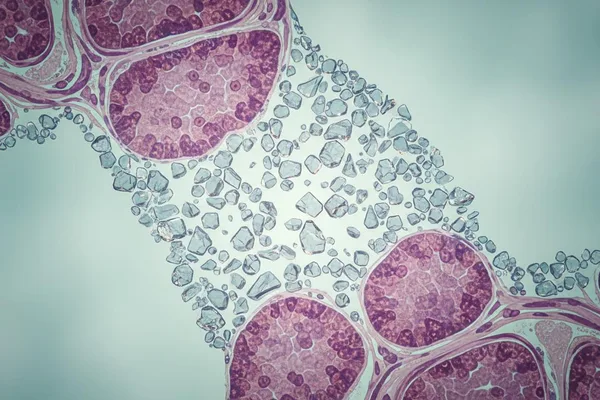
Simply put, silicosis is a lung disease caused by breathing in tiny, crystalline particles called silicon dioxide, or silica for short. If you have this condition, you may experience symptoms such as coughing, inflammation of the lungs, and scarring of the lungs, a condition called fibrosis .
When these three symptoms are combined, we call the group of diseases ``pneumoconioses.'' These are diseases caused by breathing in dust. Like asbestos-related diseases, silicosis is a work-related lung disease. That is, it is caused by breathing in silica particles while doing your job.
Unfortunately, silicosis cannot be completely cured or the damage to the lungs can be reversed. However, doctors can treat it, control the symptoms, and provide you with some relief.
What are the main types of silicosis?
Silicosis can develop in three main ways:
1. Chronic silicosis: This is the most common type. It usually occurs after exposure to respirable levels of silica dust for more than 10 years . The amount of silica in the dust also affects this. There are two types of chronic silicosis: simple silicosis and progressive massive fibrosis.
2. Subacute silicosis: This is also called ``accelerated silicosis.'' This can develop over a shorter period of time, between two and five years . Although the period is shorter, the exposure to silica is much higher.
3. Acute silicosis: This can occur very acutely, meaning it can occur after exposure to particles with a high percentage of silica for a short period of time, such as a few months . This is the most dangerous and fastest form.
Who is more likely to develop silicosis?
Silicosis is a disease that is largely related to the job you do. If you work in the following industries, you are at a higher risk of developing silicosis than others.
- Mining and quarrying: There are places like this in our country too. People who work in places where black rock is mined and soil is cut are at risk.
- Construction, building and demolition: Silica dust is released during work such as cutting concrete, cutting tiles, and cutting bricks.
- Stone work, including stone countertop manufacturing: This dust is generated when making stone countertops for kitchens and pantries, and when cutting and polishing stones like granite.
- Pottery, ceramics and glassmaking.
- Sandblasting: When sand is sprayed at high pressure to clean surfaces.
- Foundry work: Where metal is melted and poured into molds.
Just think, if you work in a place like this, there's a high chance that these little enemies called silica will enter your lungs.
What does this do to the body?
When silica particles enter our respiratory system, they act in a harmful way. These particles mainly damage cells called alveolar macrophages. These macrophages are part of our immune system. Simply put, they are like the security guards in the lungs . Their job is to catch and destroy germs and dust that enter the lungs. But when these silica particles enter, these security cells are damaged. Over time, this damage begins to cause inflammation and scarring in the lungs.
What are the symptoms of silicosis?
There are three main symptoms of silicosis:
- Persistent coughing.
- Coughing that brings up sputum.
- Inflammation/swelling in the lung area.
- Scarring of the lungs (fibrosis).
These symptoms can lead to other complications, including:
- Difficulty breathing (dyspnea). At first, it may be difficult to breathe, even when you are just standing still.
- Fatigue.
- Weakness.
- Unintended weight loss.
If you have one or more of these symptoms, especially if you have a job that exposes you to silica dust, it is very important to seek medical advice immediately.
Why does silicosis occur?
The main cause of silicosis is damage to your lungs when you breathe in silica dust. This usually happens in an occupational setting.
Is this contagious?
No, silicosis is not a contagious disease. It is not caused by a virus or bacteria. You cannot catch it from someone who has it, and if you do, you cannot spread it to someone else.
How do you find out if you have silicosis?
Your doctor will first ask you about your medical history and perform a physical examination. How long you have worked in a job that puts you at risk for silicosis is a very important question in this process .
Sometimes, even if you don't have any symptoms, your doctor may find that you have silicosis during an imaging test done for another reason. You may also hear unusual breathing sounds in your lungs when you are examined.
The following tests may be performed:
- Imaging tests: These include chest X-rays and high-resolution computed tomography (CT) scans. These tests can help your doctor determine if you have silicosis by looking at specific signs in your lungs.
- Pulmonary function tests: These tests check how well your lungs are working. They measure things like how fast you can breathe and how long you can hold your breath.
- Laboratory tests: These are done to rule out other conditions, for example certain types of infections (such as tuberculosis). There is currently no specific blood test that can confirm the presence of silicosis.
- Bronchoalveolar lavage: In this test, the fluid taken from the lungs is "washed" and examined.
- Lung biopsy: This involves taking a small piece of tissue from the lung for examination. However, this is done very rarely.
What are the treatments for silicosis?
As mentioned earlier, silicosis cannot be completely cured. The only thing that can be done is to manage the disease. Here are some tips to do that:
- If you smoke or use other tobacco products, stop immediately. This is very important.
- Use Personal Protective Equipment (PPE) properly. Or, if possible, switch to a lower-risk job.
- Use a bronchodilator (like an inhaler) to make breathing easier.
- If necessary, obtain supplemental oxygen as directed by your doctor.
In some severe cases, the doctor may also recommend a lung transplant surgery.
In fact, clinical trials are ongoing to find treatments for silicosis. Your doctor may suggest that you take part in one. Researchers are using drugs called antifibrotics to treat some types of silicosis. While some of these are still in the research phase, one drug called Nintedanib (OFEV®) has already been approved by the FDA.
How can this risk be reduced?
The sad fact is that even though people knew about silicosis and the dangers of inhaling dust in ancient Greek and Roman times, people still develop this disease today.
If you can't avoid risky jobs, you can reduce your risk by using proper personal protective equipment (PPE) and following workplace safety practices .
If your job is high-risk, consider getting screened through your employer. Early detection is the best way to prevent serious conditions before they become severe.
What can you expect if you develop silicosis?
If you have silicosis, the prognosis depends on many factors, including how much silica you were exposed to, how long you were exposed, your age, whether you have other medical conditions, and whether you will continue to be exposed to silica.
The situation can be a bit more unfavorable for those who develop a condition called ``progressive massive fibrosis.''
Other complications that can occur due to silicosis
People with silicosis are at increased risk of developing the following conditions:
- Tuberculosis and other infections.
- Lung cancer.
- Chronic kidney disease.
- Chronic bronchitis.
- Autoimmune diseases such as Scleroderma, Rheumatoid arthritis, and Lupus.
Therefore, if silicosis is diagnosed, it is important to be aware of these other conditions as well.
How do I take care of myself if I have silicosis?
If you have silicosis, there are several things you can do to take care of yourself:
- Stop smoking and the use of other tobacco products completely.
- Stay away from other lung irritants, such as secondhand smoke and other air pollutants.
- Get all vaccines recommended by your doctor (e.g. pneumonia vaccine, influenza vaccine).
- If you are still working in an area where silica dust is present, use the correct personal protective equipment (PPE). For example, N95 masks or respirators. Regular dust masks or face shields are not sufficient.
- When working in areas where silica dust is present, follow proper procedures, such as maintaining good ventilation and using humidifiers to reduce dust.
When should I see a doctor?
If you work in an industry that uses silica, it is important to have regular check-ups to make sure you are healthy. If you develop a cough or difficulty breathing, see a doctor immediately.
If you have already been diagnosed with silicosis, and you develop new symptoms such as fever, worsening shortness of breath, or unintentional weight loss , notify your doctor immediately.
Is silicosis a cancer?
No, silicosis is not cancer. It does not cause your cells to grow out of control. However, silicosis is a risk factor for developing lung cancer .
Will exercise help?
Exercise can be beneficial for someone with silicosis. However, you should talk to your doctor about your exercise plan. Your doctor may refer you to a program called pulmonary rehabilitation, which will give you exercises and advice to help improve your breathing.
If you have a cough and difficulty breathing, and you have worked with silica and related dust for years, you may have silicosis. This lung disease is serious, and there is no cure. However, it can be treated. So, talk to your doctor right away and take the necessary steps to stay healthy.
Take home message
I hope you now have a better understanding of the disease we talked about today called silicosis. Remember, this is a disease that is often work-related and damages the lungs.
- The most important thing is safety. If you are doing a risky job, use proper safety equipment and follow workplace safety regulations.
- Be aware of symptoms. Don't ignore things like a persistent cough and difficulty breathing.
- Don't delay seeking medical advice. If in doubt, see a doctor and get checked out.
- Even if you are diagnosed with silicosis, you can make life easier by avoiding smoking, following medical advice, and taking good care of yourself .
We hope this information will be useful to you and your loved ones. Stay healthy everyone!
` Silicosis, lung disease, silica, dust, cough, difficulty breathing, occupational disease, pulmonary fibrosis




💬 Comments (0)
No comments yet. Be the first to share your thoughts here.
Add Your Comment