Do you have these changes on your skin? Let's talk about skin cancer

Do you have these changes on your skin? Let's talk about skin cancer

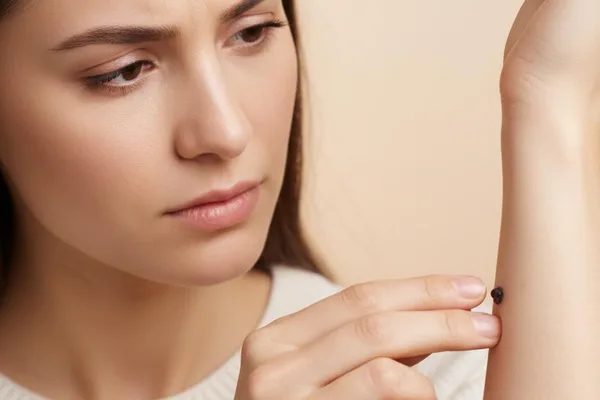
Have you ever been scared when you see a mole on your body suddenly getting bigger or changing color? Or have you ever been a little suspicious about a new mole? Most of us don't think much about the changes in our skin. But sometimes these small changes can have a big story hidden inside them. Today we're talking about that, that is, skin cancer, which many people fear, but can be controlled if you are properly informed.

Simply put, what is skin cancer?

Our skin is made up of tiny cells. Normally, these cells die as we age, and new cells are produced in their place. This is a very orderly process. However, sometimes, especially when our skin is exposed to harmful UV rays from the sun, this process goes awry. Then the skin cells start dividing uncontrollably and too quickly.

There can be two types of new cell clusters that form like this.

1. Non-cancerous (Benign) tumors: These do not spread to other parts of the body, so they do not cause much harm.

2. Cancerous tumors: These are the most dangerous because they can spread to surrounding tissues and other parts of the body.

The best part is that most skin cancers are completely curable if detected early . That's why we need to be vigilant about changes in our skin.

What are the main types of skin cancer?

There are three main types of skin cancer. Let's take a brief look at these.

Cancer type Let's learn about this.
Basal Cell Carcinoma This is the most common type. It starts in the basal cells, which are located under the outermost layer of our skin (epidermis). It is usually a slow-growing, non-invasive type.
Squamous Cell Carcinoma This also starts in the squamous cells in the outer layer of the skin. It is slightly more likely to spread than basal cell carcinoma.
Melanoma This is the most dangerous and severe type . It develops in cells called melanocytes, which produce the pigment called melanin that gives our skin its color. This type is very dangerous because it can quickly spread to other parts of the body.

In addition to these three main types, there are other rare types, such as `Kaposi sarcoma` and `Merkel cell carcinoma`.

How do we recognize the symptoms of skin cancer?

The main warning sign of skin cancer is a new change in your skin . This could be a new mole, a growth, or a change in an old mole. Here are some things to watch out for:

  • The appearance of a new birthmark , or the change in size, shape, color , or bleeding of an old birthmark.
  • A pearl-like, shiny, waxy blister that appears on the face, ears, or neck.
  • A flat, pink/red or brown spot or lump.
  • Some areas of the skin look like scars .
  • Wounds that have formed like a crust, are slightly sunken in the middle, and often bleed .
  • A wound that doesn't heal , or a wound that heals and reappears.
  • A rough, scaly sore. These may itch and bleed .

The ABCDE rule for identifying a suspicious spot

This is a very easy way to check if you have any doubts about a spot on your skin.

Letter Meaning What we want to see
A Asymmetry If you split the mole in half, aren't both sides the same? A normal birthmark is symmetrical. A cancerous mole is often asymmetrical.
B Border Is the edge of the mole unclear? Is it blurry? Or is it irregular, like a jagged edge? The edge of a healthy mole is usually smooth and clear.
C Color Are there different colors in the same spot? (e.g., brown, black, red, white, blue). A normal spot is often a single color.
D Diameter Is the mole bigger than a pencil eraser (more than 6 millimeters)? But remember, some cancers can start smaller than this.
E Evolution This is the most important sign . Has the spot changed in size, shape, or color over time? Or has it started to itch or bleed?

If you have even the slightest suspicion about a mole on your skin, please don't ignore it. See your doctor immediately.

What are the main causes and risk factors for skin cancer?

The main cause of skin cancer is overexposure to the sun . The risk is especially high if you are exposed to the sun to the point of burning and blistering. The UV rays in the sun damage the DNA in our skin cells. That's when those abnormal cells start to form.

Anyone can get skin cancer, but some people are at higher risk.

  • People who work or play in the sun for a long time (e.g. farmers, fishermen, construction workers).
  • People with fair skin who burn easily in the sun .
  • If someone in your family has had skin cancer .
  • For those with a large number of birthmarks on the skin.
  • People who use tanning beds.
  • People taking medications that suppress the immune system (e.g., those who have had organ transplants).
  • People who have received treatments such as `UV light therapy` for skin diseases.

It's important to note that while there is a misconception that people with darker skin like us don't get skin cancer, it's not true. Anyone can get it. Sometimes, skin cancer is diagnosed late in people with darker skin . So it's important for everyone to be aware of this.

How does a doctor diagnose this?

When you go to a doctor with a suspicious spot, this is what happens.

1. Asking questions: The doctor will ask you things like how long you've had this spot and what changes you've noticed.

2. Skin examination: Next, your entire skin will be examined thoroughly from head to toe. We'll even check areas we don't pay much attention to, like between the toes and the genital area.

3. Biopsy: If the doctor has any doubts, they will take a very small piece of skin from the spot and send it to a lab. This is called a biopsy. There, they will examine the cells under a microscope to determine whether they are cancerous or not.

Once the results of this test are in, your doctor will explain to you what type of skin cancer it is and what treatment is needed next.

What are the treatments?

Treatment depends on the type of cancer, its size, and whether it has spread. Sometimes, removing a piece of skin during a biopsy can remove the entire cancer.

Treatment method What happens with this?
Cryotherapy Cancer cells are destroyed by freezing them using something extremely cold, like liquid nitrogen.
Excisional Surgery The cancerous tumor and a small area of ​​healthy skin around it are surgically removed.
Mohs Surgery This is a special surgery. Here, only the part with the cancer is removed very delicately, layer by layer, minimizing damage to healthy skin.
Chemotherapy Giving drugs that kill cancer cells. They are given as an ointment if the cancer is limited to the surface of the skin, and as injections or pills if it has spread.
Immunotherapy Stimulating our body's own immune system and making it fight cancer cells.
Radiation Therapy Destroying cancer cells using high-energy rays (e.g. X-rays).

Okay, so how do you survive this?

Most skin cancers are preventable. The best and simplest thing to do is to protect yourself from harsh sunlight and sunburn .

  • Always wear sunscreen: Use a broad-spectrum (protects against both UVA and UVB rays) sunscreen with an SPF of at least 30 or higher. Apply 30 minutes before going out in the sun. This applies even on cloudy days and in the winter.
  • Wear appropriate clothing: Protect your face and ears by wearing a wide-brimmed hat. Wear long sleeves and long pants.
  • Wear sunglasses: Use sunglasses that protect against UVA and UVB rays.
  • Avoid the harsh sun: Stay out of the harsh sun between 10 am and 4 pm whenever possible.
  • Check your skin regularly: At least once a month, go in front of a mirror and examine your entire body. Pay attention to new spots and changes in old spots. Don't forget to check your scalp, ears, palms, soles of your feet, between your fingers, genital area, and the area between your buttocks.

Take-Home Message

  • Although skin cancer is something to be afraid of, it is a completely curable disease if detected early .
  • Always pay attention to new spots or growths on your skin, or changes in size, shape, or color of old birthmarks. Remember the ABCDE rule.
  • Never ignore a wound that doesn't heal or a spot that bleeds frequently.
  • Protecting yourself from harsh sunlight is the best way to prevent skin cancer. Make using sunscreen a habit.
  • If you have even the slightest doubt about your skin, don't speculate and see your doctor immediately .

Skin cancer, skin cancer, melanoma, cancer symptoms, birthmarks, skin protection, sunlight

⚠️ Important: The medical articles and information on Nirogi Lanka are for general awareness only, and are by no means a substitute for professional medical advice, diagnosis, or treatment. For any medical problem you have, consult a qualified physician immediately.

💬 Comments (0)

No comments yet. Be the first to share your thoughts here.

Add Your Comment

Please calculate: 1 + 7 =
Do you have these changes on your skin? Let's talk about skin cancer
Preventive HealthJuly 7, 2026

Do you have these changes on your skin? Let's talk about skin cancer

Have you ever been scared when you see a mole on your body suddenly getting bigger or changing color? Or have you ever been a little suspicious about a new mole? Most of us don't think much about the changes in our skin. But sometimes these small changes can have a big story hidden inside them. Today we're talking about that, that is, skin cancer, which many people fear, but can be controlled if you are properly informed.

Simply put, what is skin cancer?

Our skin is made up of tiny cells. Normally, these cells die as we age, and new cells are produced in their place. This is a very orderly process. However, sometimes, especially when our skin is exposed to harmful UV rays from the sun, this process goes awry. Then the skin cells start dividing uncontrollably and too quickly.

There can be two types of new cell clusters that form like this.

1. Non-cancerous (Benign) tumors: These do not spread to other parts of the body, so they do not cause much harm.

2. Cancerous tumors: These are the most dangerous because they can spread to surrounding tissues and other parts of the body.

The best part is that most skin cancers are completely curable if detected early . That's why we need to be vigilant about changes in our skin.

What are the main types of skin cancer?

There are three main types of skin cancer. Let's take a brief look at these.

Cancer type Let's learn about this.
Basal Cell Carcinoma This is the most common type. It starts in the basal cells, which are located under the outermost layer of our skin (epidermis). It is usually a slow-growing, non-invasive type.
Squamous Cell Carcinoma This also starts in the squamous cells in the outer layer of the skin. It is slightly more likely to spread than basal cell carcinoma.
Melanoma This is the most dangerous and severe type . It develops in cells called melanocytes, which produce the pigment called melanin that gives our skin its color. This type is very dangerous because it can quickly spread to other parts of the body.

In addition to these three main types, there are other rare types, such as `Kaposi sarcoma` and `Merkel cell carcinoma`.

How do we recognize the symptoms of skin cancer?

The main warning sign of skin cancer is a new change in your skin . This could be a new mole, a growth, or a change in an old mole. Here are some things to watch out for:

  • The appearance of a new birthmark , or the change in size, shape, color , or bleeding of an old birthmark.
  • A pearl-like, shiny, waxy blister that appears on the face, ears, or neck.
  • A flat, pink/red or brown spot or lump.
  • Some areas of the skin look like scars .
  • Wounds that have formed like a crust, are slightly sunken in the middle, and often bleed .
  • A wound that doesn't heal , or a wound that heals and reappears.
  • A rough, scaly sore. These may itch and bleed .

The ABCDE rule for identifying a suspicious spot

This is a very easy way to check if you have any doubts about a spot on your skin.

Letter Meaning What we want to see
A Asymmetry If you split the mole in half, aren't both sides the same? A normal birthmark is symmetrical. A cancerous mole is often asymmetrical.
B Border Is the edge of the mole unclear? Is it blurry? Or is it irregular, like a jagged edge? The edge of a healthy mole is usually smooth and clear.
C Color Are there different colors in the same spot? (e.g., brown, black, red, white, blue). A normal spot is often a single color.
D Diameter Is the mole bigger than a pencil eraser (more than 6 millimeters)? But remember, some cancers can start smaller than this.
E Evolution This is the most important sign . Has the spot changed in size, shape, or color over time? Or has it started to itch or bleed?

If you have even the slightest suspicion about a mole on your skin, please don't ignore it. See your doctor immediately.

What are the main causes and risk factors for skin cancer?

The main cause of skin cancer is overexposure to the sun . The risk is especially high if you are exposed to the sun to the point of burning and blistering. The UV rays in the sun damage the DNA in our skin cells. That's when those abnormal cells start to form.

Anyone can get skin cancer, but some people are at higher risk.

  • People who work or play in the sun for a long time (e.g. farmers, fishermen, construction workers).
  • People with fair skin who burn easily in the sun .
  • If someone in your family has had skin cancer .
  • For those with a large number of birthmarks on the skin.
  • People who use tanning beds.
  • People taking medications that suppress the immune system (e.g., those who have had organ transplants).
  • People who have received treatments such as `UV light therapy` for skin diseases.

It's important to note that while there is a misconception that people with darker skin like us don't get skin cancer, it's not true. Anyone can get it. Sometimes, skin cancer is diagnosed late in people with darker skin . So it's important for everyone to be aware of this.

How does a doctor diagnose this?

When you go to a doctor with a suspicious spot, this is what happens.

1. Asking questions: The doctor will ask you things like how long you've had this spot and what changes you've noticed.

2. Skin examination: Next, your entire skin will be examined thoroughly from head to toe. We'll even check areas we don't pay much attention to, like between the toes and the genital area.

3. Biopsy: If the doctor has any doubts, they will take a very small piece of skin from the spot and send it to a lab. This is called a biopsy. There, they will examine the cells under a microscope to determine whether they are cancerous or not.

Once the results of this test are in, your doctor will explain to you what type of skin cancer it is and what treatment is needed next.

What are the treatments?

Treatment depends on the type of cancer, its size, and whether it has spread. Sometimes, removing a piece of skin during a biopsy can remove the entire cancer.

Treatment method What happens with this?
Cryotherapy Cancer cells are destroyed by freezing them using something extremely cold, like liquid nitrogen.
Excisional Surgery The cancerous tumor and a small area of ​​healthy skin around it are surgically removed.
Mohs Surgery This is a special surgery. Here, only the part with the cancer is removed very delicately, layer by layer, minimizing damage to healthy skin.
Chemotherapy Giving drugs that kill cancer cells. They are given as an ointment if the cancer is limited to the surface of the skin, and as injections or pills if it has spread.
Immunotherapy Stimulating our body's own immune system and making it fight cancer cells.
Radiation Therapy Destroying cancer cells using high-energy rays (e.g. X-rays).

Okay, so how do you survive this?

Most skin cancers are preventable. The best and simplest thing to do is to protect yourself from harsh sunlight and sunburn .

  • Always wear sunscreen: Use a broad-spectrum (protects against both UVA and UVB rays) sunscreen with an SPF of at least 30 or higher. Apply 30 minutes before going out in the sun. This applies even on cloudy days and in the winter.
  • Wear appropriate clothing: Protect your face and ears by wearing a wide-brimmed hat. Wear long sleeves and long pants.
  • Wear sunglasses: Use sunglasses that protect against UVA and UVB rays.
  • Avoid the harsh sun: Stay out of the harsh sun between 10 am and 4 pm whenever possible.
  • Check your skin regularly: At least once a month, go in front of a mirror and examine your entire body. Pay attention to new spots and changes in old spots. Don't forget to check your scalp, ears, palms, soles of your feet, between your fingers, genital area, and the area between your buttocks.

Take-Home Message

  • Although skin cancer is something to be afraid of, it is a completely curable disease if detected early .
  • Always pay attention to new spots or growths on your skin, or changes in size, shape, or color of old birthmarks. Remember the ABCDE rule.
  • Never ignore a wound that doesn't heal or a spot that bleeds frequently.
  • Protecting yourself from harsh sunlight is the best way to prevent skin cancer. Make using sunscreen a habit.
  • If you have even the slightest doubt about your skin, don't speculate and see your doctor immediately .

Skin cancer, skin cancer, melanoma, cancer symptoms, birthmarks, skin protection, sunlight

⚠️ Important: The medical articles and information on Nirogi Lanka are for general awareness only, and are by no means a substitute for professional medical advice, diagnosis, or treatment. For any medical problem you have, consult a qualified physician immediately.

💬 Comments (0)

No comments yet. Be the first to share your thoughts here.

Add Your Comment

Please calculate: 1 + 7 =