
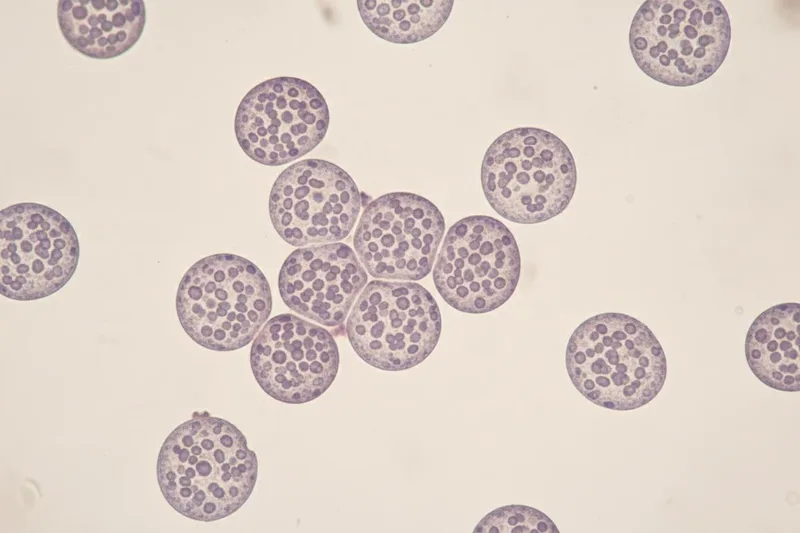
Have you ever heard of "Small Cell Lung Cancer"? This may be new to you. It is a rare, slow-growing type of cancer that develops in the lungs. It is often associated with tobacco use, especially in people who smoke cigarettes. However, it is important to remember that it can affect anyone. If caught early, doctors can cure some people and help others live longer. The best way to avoid it is to quit smoking altogether.
What is Small Cell Lung Cancer?
Simply put, small cell lung cancer is a type of lung cancer that grows very quickly . Although it can develop in anyone, it is most common in people who have used tobacco for a long time, especially in people who have smoked cigarettes . If the disease is detected early, doctors can cure some people. For others, it can even help them live with the disease for a little longer. The only way to protect yourself from this cancer is to quit smoking .
How common is this condition?
Overall, about 57 out of 100,000 people in the United States develop lung cancer. About 15% of those cancer diagnoses are small cell lung cancer . This is lower than the type called "non-small cell lung cancer."
How does small cell lung cancer (SCLC) affect your body?
Small cell lung cancer starts when healthy cells in your lungs mutate, or change, into cancer cells. These cells then divide and multiply uncontrollably . Eventually, these cancer cells form tumors in your lungs.
Cancer cells can break free from these tumors and travel throughout your body through your blood or lymph (a fluid that travels to your lymph nodes).
Small cell lung cancer usually spreads to:
- To the lymph nodes.
- To the bones.
- To the brain.
- Liver.
- Adrenal glands. These glands are located near your kidneys.
Once the cells have spread, they can form new tumors in your lymph nodes and other organs. Small cell lung cancer can also cause fluid to build up in your lungs or in the spaces around your lungs. This can push air out of your lungs and cause your lungs to fail. This is called a pleural effusion .
There are two types of small cell lung cancer (SCLC):
- Small Cell Carcinoma: This is the most common type of small cell lung cancer.
- Combined Small Cell Carcinoma: This accounts for only 2% to 5% of all small cell carcinomas. This type of lung cancer is a combination of both "non-small cell" and "small cell" types of cancer.
What are the symptoms of small cell lung cancer (SCLC)?
Small cell lung cancer that has not spread rarely shows symptoms . If symptoms do occur, they may include:
- Chest pain or discomfort.
- A chronic cough that persists or becomes severe.
- Coughing up blood (Hemoptysis).
- Difficulty breathing.
- Facial swelling.
- Fatigue.
- Hoarseness of voice.
- The food is tasteless.
- Swollen neck veins.
- Weight loss for no reason.
- Wheezing.
These symptoms are often similar to other less serious illnesses. Having one or more of these symptoms does not mean that you have small cell lung cancer. However, if you are a smoker or a former smoker, see a doctor immediately if you experience any of these symptoms. He or she will be able to evaluate your condition and recommend the next steps.
What are the causes of small cell lung cancer (SCLC)?
Although anyone can develop lung cancer, people who smoke, have smoked in the past, or are exposed to second-hand smoke are at higher risk of developing small cell lung cancer. Other risk factors include:
- Exposure to radiation, either from cancer treatments or imaging scans.
- Exposure to radon gas. Radon is a colorless, radioactive gas that can leak into homes and other buildings.
- Exposure to asbestos, arsenic, nickel, tar, or toxic chemicals in the workplace.
- Someone in the family has lung cancer.
- Being infected with the human immunodeficiency virus (HIV).
How do doctors diagnose small cell lung cancer (SCLC)?
When any lung cancer is suspected, the first thing to do is take a chest X-ray . If it shows suspicious spots in the lungs, the doctor will order one or more of the following tests:
- Imaging scans: Computed Tomography (CT) scans and Positron Emission Tomography (PET) scans can detect lung tumors. CT scans are the main method for diagnosing lung cancer. These tests can also assess the extent of the cancer's spread.
- Biopsy: A tissue sample is taken from the lungs using a needle. Pathologists in the lab examine this sample for cancer cells.
- Bronchoscopy: Using an instrument called a bronchoscope, your doctor will look inside the airways of your lungs for tumors. At the same time, they may also take tissue samples for biopsy.
What are the stages of small cell lung cancer (SCLC)?
Doctors use a two-stage method to determine how far small cell lung cancer has spread. This information also helps determine treatment. The two stages of small cell lung cancer are:
- Limited stage: This means that the cancer is in one of your lungs, and may have spread to the area between your lungs or to lymph nodes above your collarbone. About 1 in 3 people with small cell lung cancer have the disease at this limited stage when they are diagnosed.
- Extensive stage: At this stage, the cancer has spread to your other lung, to lymph nodes beyond the lung, and may also have spread to the bones, brain, and other organs.
What are the treatments for small cell lung cancer (SCLC)?
Treatment depends on many factors, including your age, overall health, and the stage of the cancer. Treatment options include:
- Surgery: About 1 in 20 people with small cell lung cancer have cancer that has not spread beyond the lungs. In that case, a surgeon may remove part or all of your lung. People who cannot have surgery may be given radiation therapy or chemotherapy.
- Radiation therapy: This uses a machine to direct powerful X-rays directly at the tumor. In addition to killing cancer cells, this treatment can also reduce symptoms. Doctors usually use radiation therapy for limited-stage small cell lung cancer.
- Chemotherapy: If you have had surgery, your doctor may combine chemotherapy drugs with other treatments to kill any remaining cancer cells. Chemotherapy is often given to people with advanced cancer. Although chemotherapy cannot completely cure small cell lung cancer, it can shrink the cancer, reduce symptoms, and help people live longer.
- Immunotherapy: This treatment stimulates your body's own immune system to fight and destroy cancer cells. "Immune checkpoint inhibitors" are a type of immunotherapy used to treat advanced small cell lung cancer. Doctors may give this treatment along with chemotherapy to shrink tumors and reduce symptoms.
What if surgery is not possible and other treatments are not successful?
There are several options your doctor may recommend, and you may also consider:
- Switching from trying to cure small cell lung cancer to treatments that reduce symptoms . For example, if your airways are blocked, your doctor may use a bronchoscope to open them.
- Consider taking part in a clinical trial . For example, recent clinical trials have shown that combining chemotherapy and immunotherapy has helped people with advanced small cell lung cancer live longer. About 15% of people who received the combination treatment were still alive three years after completing treatment.
- Thinking about palliative care : This care focuses on helping you manage symptoms, including pain, and the side effects of cancer treatments.
What is the prognosis of small cell lung cancer (SCLC)?
Small cell lung cancer is a very serious disease . Without treatment, most people with small cell lung cancer die within months of being diagnosed. Although doctors can treat small cell lung cancer, the disease is very likely to come back. A 2020 study showed that more than 50% of people who have been treated for small cell lung cancer have had the disease recur. According to 2020 data, only about 7% of all people with small cell lung cancer are still alive five years after being diagnosed.
There are many factors that affect the prognosis of small cell lung cancer:
- Stage of cancer : If the cancer has not spread beyond where it started, doctors have a higher chance of success in treating it.
- Treatment options : About 1 in 20 people with limited-stage small cell lung cancer can have surgery to remove the tumor. For those who can't have surgery, chemotherapy and radiation therapy may be given.
- Recurrence : If small cell lung cancer recurs, doctors have fewer treatment options.
There's no question that the prognosis for small cell lung cancer is not very good. However, it's important to remember that a prognosis is a possibility, not a certainty . If you have small cell lung cancer and want to know your prognosis, ask your doctor to explain what you can expect.
What is the survival rate?
Survival rates are estimates based on the experience of different groups . About 70% of people with small cell lung cancer are diagnosed after the cancer has spread (extensive-stage small cell lung cancer). Treatment options for these people are limited. According to 2020 data:
- Overall, about 7% of people with small cell lung cancer are still alive five years after diagnosis.
- About 27% of people with limited-stage small cell lung cancer are still alive five years after diagnosis. A person with limited-stage small cell lung cancer has cancer in one lung and nearby lymph nodes.
- About 16% of people whose cancer has spread to nearby tissues and organs outside the lungs are still alive five years after diagnosis.
Remember — like forecasts, survival rates are estimates based on the experiences of different groups . What happened to others may not apply to your situation.
How can you reduce the risk of developing this condition?
Avoiding tobacco is the best way to prevent small cell lung cancer . If you currently use tobacco, try to quit as soon as possible. No matter how old you are or how long you have smoked, your lungs will start to heal as soon as you stop . Giving your lungs a chance to heal reduces your risk of developing small cell lung cancer. If you use tobacco and want to quit, talk to your doctor about smoking cessation treatments and programs.
What about screening tests for lung cancer?
Unlike other types of lung cancer, there is no specific screening test for small cell lung cancer.
What else can be done to reduce the risk?
These steps may also help:
- Maintain a healthy weight that suits you.
- Eat a nutritious diet.
- Exercise regularly.
- Check your home for radon gas. If necessary, install a system to remove radon from your home.
- Protect yourself from carcinogenic chemicals (Arsenic, Asbestos, Nickel) in the workplace.
If I have small cell lung cancer (SCLC), how do I take care of myself?
Surgery and other cancer treatments can be physically challenging. You may feel very tired after treatment. Here are some things you can do to stay strong throughout treatment:
- Eat a nutritious diet: Cancer symptoms and cancer treatments can affect your appetite. If you have difficulty eating, ask about working with a nutritionist. They can make suggestions to help you get the nutrition you need.
- Get some exercise: Cancer is a stressful condition. Light exercise can help reduce stress.
- Seek support: Small cell lung cancer is a rare, incurable disease. Being among a small group of people with a medical condition can be lonely. Talk to your doctor about support groups that can connect you with people who understand what you're going through.
- Consider mental health support: You may feel like you should keep your cancer worries to yourself, so as not to upset your loved ones. If that's the case, consider working with a mental health specialist.
What questions should I ask the doctor?
If you have small cell lung cancer, you might consider asking your doctor about:
- Why did I get small cell lung cancer?
- What stage is lung cancer in?
- What does this mean for my prognosis?
- What is the best treatment for someone in my condition?
- What are the risks and side effects of treatment?
- Should I participate in a clinical trial?
- What follow-up care do I need after treatment?
- Will the cancer come back?
- What are the symptoms of recurrent small cell lung cancer?
- How can I quit smoking?
What is the difference between "Non-Small Cell Lung Cancer" and "Small Cell Lung Cancer"?
There are several differences:
- Small cell lung cancer usually starts in one type of cell in one area of your lung. Non-small cell cancer can start in three different types of cells and in different parts of your body. For example, a type called adenocarcinoma affects the glands that line your organs. In non-small cell lung cancer, the adenocarcinoma starts in the outer layers of the lungs.
- Small cell lung cancer spreads faster than non-small cell lung cancer.
- When viewed under a microscope, small cell lung cancer cells are much smaller than "non-small cell lung cancer" cells.
Finally, an important message
Thanks to early detection tests and new treatments, more people with small cell lung cancer are now living longer . Doctors have treatments that can help patients live longer, have a better quality of life, and in some cases, even cure the disease.
Tobacco use is the leading cause of small cell lung cancer. If you smoke, try to quit. Even if you already have lung cancer, it's never too late to quit smoking . Ask your doctor for help finding a smoking cessation program.
` Lung cancer, small cell lung cancer, smoking, cancer symptoms, cancer treatment, lung health, cancer risk


💬 Comments (0)
No comments yet. Be the first to share your thoughts here.
Add Your Comment