

Imagine a high-security filtration facility and an elite immune response garrison operating 24 hours a day inside a space roughly the size of an avocado. Tucked safely beneath your left rib cage, adjacent to your stomach, sits the spleen. Most people rarely consider this fist-sized organ until a sudden contact-sports collision causes sharp abdominal pain, or a routine blood workup flags an unexplained enlargement. Far from being a passive anatomical leftover, the spleen serves as your circulatory system’s master quality-control inspector and one of your immune system’s most lethal first responders. Understanding how it functions—and recognizing the critical signs when it is compromised—can be life-saving.
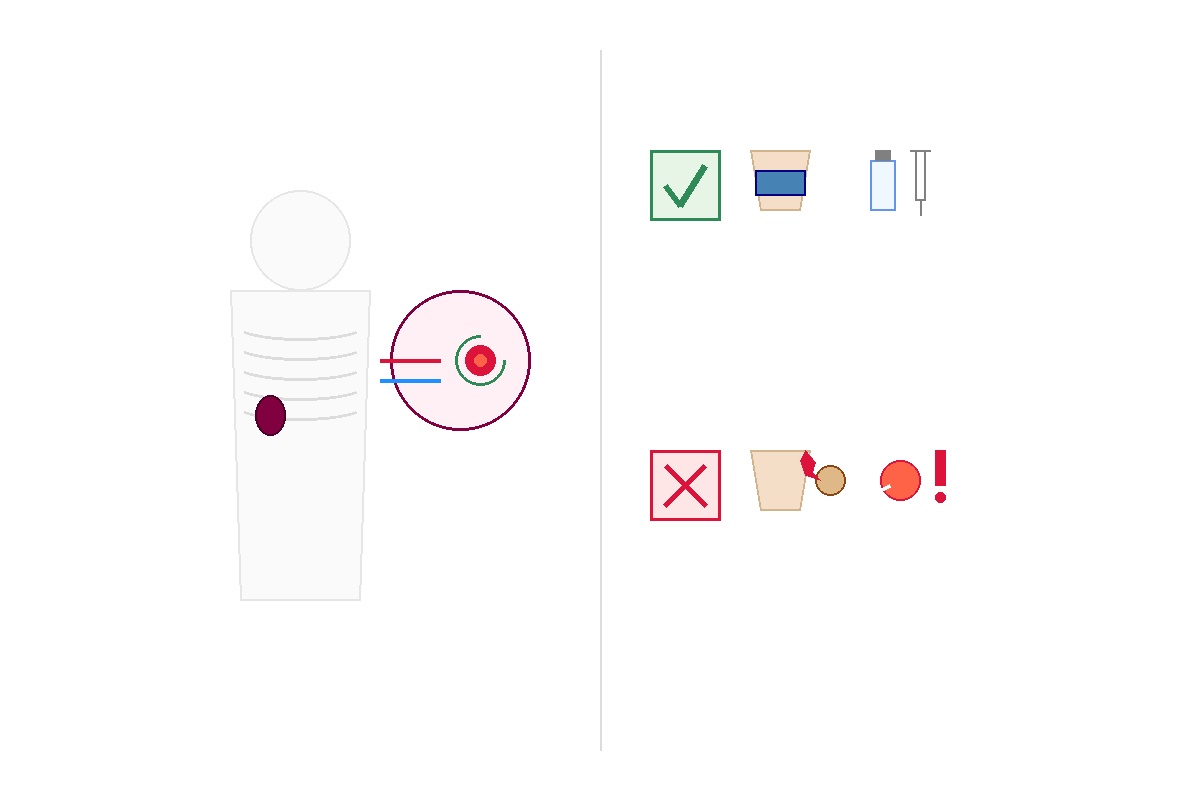
Key Clinical Takeaways.
- Dual-Compartment Architecture: The spleen is anatomically divided into red pulp (which filters, recycles, and culls aging red blood cells and stores platelets) and white pulp (an immunological powerhouse loaded with T cells and B cells that synthesize antibodies).
- The Encapsulated Threat: While humans can survive without a spleen (asplenia), doing so carries a permanent, life-threatening risk of Overwhelming Post-Splenectomy Infection (OPSI), primarily driven by encapsulated bacteria such as Streptococcus pneumoniae.
- Trauma Vulnerability: Due to its vascular fragility and position beneath the 9th to 11th ribs, blunt abdominal trauma can cause splenic laceration, leading to rapid, life-threatening internal hemorrhage.
- Preservation First: Modern trauma surgery prioritizes conservative, non-operative management and splenic artery embolization over total splenectomy whenever hemodynamically feasible.
BMI Calculator
Know your body mass index (BMI) and weight classification
What Is the Spleen, and Where Is It Located?
The spleen is the largest secondary lymphoid organ in the human body. Typically measuring about 12 cm (4.7 inches) in length, 7 cm in breadth, and weighing between 150 g and 200 g in a healthy adult, it rests in the upper left quadrant (left hypochondrium) of the abdomen. It is nestled beneath the left hemidiaphragm, protected posteriorly and laterally by the 9th, 10th, and 11th ribs.
Histologically and functionally, the spleen is wrapped in a fibroelastic connective tissue capsule and divided into two distinct biological zones that operate in close synergy:
- The Red Pulp (Circulatory Filter): Making up roughly 75% to 80% of splenic tissue, the red pulp consists of venous sinuses and splenic cords of Billroth). It acts as an intricate mechanical sieve. As blood courses through these narrow endothelial slits, macrophages inspect every passing erythrocyte. Flexible, healthy cells deform and squeeze back into circulation, while rigid, senescent (older than ~120 days), or parasitized erythrocytes are destroyed and phagocytosed.
- The White Pulp (Immunological Command Center): Arranged around central arterioles, the white pulp consists of lymphoid aggregates including the periarteriolar lymphoid sheath (PALS, rich in T cells) and lymphoid follicles (rich in B cells). Here, blood-borne antigens are screened, triggering robust humoral immunity, immunoglobulin production (especially IgM), and opsonization.
- The Marginal Zone: The transit zone between red and white pulp, populated by specialized marginal zone B cells and antigen-presenting dendritic cells, uniquely equipped to recognize and neutralize complex polysaccharide antigens.
Core Physiological Functions of the Spleen.
1. Erythrocyte Clearance and Iron Recycling.
Every minute, about 200 to 300 mL of whole blood—nearly 5% of total cardiac output—flows through the splenic artery. When red blood cells (RBCs) reach the end of their functional lifespan, splenic macrophages dismantle the hemoglobin molecule. The globin chains are degraded into amino acids, the heme ring is transformed into unconjugated bilirubin (sent to the liver for excretion), and elemental iron is retrieved and stored as ferritin or transported back to the bone marrow by transferrin for new erythropoiesis.
2. Platelet and Leukocyte Reservoir.
Under baseline physiologic conditions, the spleen sequesters about 30% of the body's circulating platelets and a significant pool of mature monocytes. During severe physiologic stress, systemic inflammation, or acute hemorrhagic shock, splenic contraction mobilizes these stored platelets and immune cells into active peripheral circulation to support hemostasis and tissue repair.
3. Opsonization and Clearance of Encapsulated Pathogens.
Polysaccharide-encapsulated bacteria possess slippery capsules that evade classic phagocytosis in peripheral tissues. The spleen circumvents this defense by generating antibodies that bind to the capsules, alongside specialized opsonic peptides such as tuftsin and properdin. Once coated, these bacteria are immobilized in the splenic sinuses and digested by resident macrophages.
Emergency Red Flags: When to Seek Immediate Care.
A ruptured spleen is a critical surgical emergency capable of producing massive, catastrophic internal exsanguination within minutes. Call 911 (US/Canada), 999 (UK), or proceed directly to your nearest Emergency Department (ER / A&E) if you experience:
- Severe, sudden-onset pain in the upper left abdomen following physical impact, motor vehicle collision, or a athletic injury.
- Kehr’s Sign: Referred pain radiating acutely to the tip of the left shoulder (caused by diaphragmatic irritation from pooled intraperitoneal blood).
- Signs of impending hemorrhagic shock: profound lightheadedness, pale or clammy skin, confusion, fainting, or a rapid, weak pulse (tachycardia > 100 bpm alongside systolic blood pressure < 90 mmHg).
- Any unexplained high fever (≥ 38.3°C / 101.0°F) accompanied by chills, rigor, or confusion in an person who has had their spleen surgically removed (asplenic) or diagnosed with functional hyposplenism.

Natural solutions for hair fall
100% natural hair solutions for alopecia and medical hair loss.
Check Availability →Common Splenic Disorders: Etiologies, Symptoms, and Diagnostics.
1. Splenic Trauma and Rupture.
Because the spleen is highly vascular and friable (easily torn), blunt thoracic or abdominal trauma—such as motor vehicle collisions, bicycle handlebar impacts, or direct sports hits—can tear the capsule. The American Association for the Surgery of Trauma (AAST) classifies splenic injuries on an anatomical scale from Grade I (small subcapsular hematoma or superficial tear) to Grade V (completely shattered spleen or hilar devascularization). Diagnosis is established rapidly via bedside point-of-care ultrasound (FAST exam: Focused Assessment with Sonography for Trauma) followed by contrast-enhanced abdominal Computed Tomography (CT) in hemodynamically stable patients.
2. Splenomegaly (Enlarged Spleen).
Under normal conditions, a healthy spleen is rarely palpable on physical exam. When pathology causes it to expand, the lower pole extends downward and medially across the abdomen. Causes fall into distinct categories:
- Infections: Epstein-Barr Virus (Infectious Mononucleosis, where reactive lymphocytic hyperplasia stretches the capsule and dramatically heightens rupture risk from minor trauma), cytomegalovirus (CMV), subacute bacterial endocarditis, malaria, and visceral leishmaniasis.
- Congestive / Hepatic: Portal hypertension secondary to liver cirrhosis, portal vein thrombosis, or congestive heart failure, which impedes venous drainage into the splenic vein.
- Hematologic Malignancies: Chronic lymphocytic leukemia (CLL), chronic myeloid leukemia (CML), non-Hodgkin lymphoma, and myelofibrosis.
- Hemolytic Anemias: Sickle cell disease, hereditary spherocytosis, and thalassemia, where abnormal erythrocyte shapes cause chronic mechanical entrapment within the red pulp.
- Metabolic Storage Diseases: Gaucher disease and Niemann-Pick disease, characterized by intracellular accumulation of undegraded glycolipids within splenic macrophages.
3. Hypersplenism.
Not to be confused purely with enlargement, hypersplenism is a functional disorder where an overactive spleen prematurely destroys excessive quantities of normal blood cells. Diagnostic hallmarks include splenomegaly coupled with cytopenias (anemia with hemoglobin < 12.0 g/dL or 120 g/L, thrombocytopenia with platelets < 150,000/µL or 150 × 10 9 /L, or leukopenia with WBC < 4,000/µL or 4.0 × 10 9 /L), despite hyperactive, compensatory bone marrow production.
4. Functional Asplenia and Autosplenectomy.
In conditions like sickle cell anemia (HbSS), recurrent vaso-occlusive crises repeatedly plug the microscopic splenic microvasculature. These recurrent sickling infarcts progressively cause tissue ischemia, necrosis, and fibrosis. By late childhood, the spleen shrinks into a tiny, calcified, non-functional remnant—a process termed autosplenectomy. Similar functional hyposplenism can develop secondary to severe celiac disease, systemic lupus erythematosus (SLE), or amyloidosis.
Clinical Management: Living Safely Without a Spleen (Splenectomy).
Can you survive without a spleen? Yes. If surgical removal (splenectomy) is required due to trauma or disease, the liver and bone marrow assume many filtration and recycling duties. However, your immune defense against encapsulated pathogens is permanently altered. Asplenic people face a lifetime risk of Overwhelming Post-Splenectomy Infection (OPSI), a fulminant septic shock syndrome that carries a mortality rate exceeding 50% if treatment is delayed even by a matter of hours.
| Clinical Domain. | Recommended Protocol (Do's). | High-Risk Pitfalls (Don'ts). |
|---|---|---|
| Vaccination Strategy. | Receive pneumococcal (PCV20 or PCV15 followed by PPSV23), meningococcal (MenACWY and MenB), and Haemophilus influenzae type b (Hib) immunizations. In elective cases, vaccinate ≥14 days prior to surgery; for emergency trauma splenectomies, give vaccines ~14 days post-op. | Do not assume childhood vaccines provide permanent protection. Avoid skipping scheduled pneumococcal booster vaccines or annual influenza/COVID-19 immunizations. |
| Antibiotic Prophylaxis. | Children under age 5 generally require daily prophylactic oral penicillin or amoxicillin. Adults should carry an emergency prescription course of broad-spectrum antibiotics (e.g., amoxicillin-clavulanate or levofloxacin) when traveling. | Never "wait and see" if a fever resolves on its own. Do not delay empirical antibiotic therapy if an asplenic person develops a sudden fever or rigor. |
| Travel & Animal Bites. | Seek immediate prophylactic antibiotics following dog or cat bites to prevent catastrophic Capnocytophaga canimorsus sepsis. Take rigorous antimalarial chemoprophylaxis and insect repellant when visiting endemic regions. | Do not travel to malaria-endemic zones without consulting travel medicine specialists. Babesiosis (tick-borne) and malaria are far more severe and often fatal without a functioning spleen. |
| Athletic Activity (Enlarged Spleen). | Strictly refrain from contact sports (rugby, soccer, martial arts) and heavy weightlifting for a minimum of 3 to 4 weeks after contracting infectious mononucleosis, resuming only after formal clinical clearance. | Do not return to contact activities prematurely while the spleen remains palpable or inflamed; capsule elasticity is compromised and vulnerable to rupture. |
| Identification & Records. | Wear a medical alert bracelet or carry a wallet card stating "Asplenic / No Spleen" to inform first responders during trauma or unconscious emergencies. | Do not keep your asplenic status private from doctors, dentists, or emergency triage teams. |
Authoritative References & Further Reading.
- National Health Service (NHS). Spleen problems and spleen removal. NHS UK, 2024.
- Mayo Clinic Staff. Enlarged spleen (splenomegaly): Symptoms, causes, and diagnosis. Mayo Foundation for Medical Education and Research, 2023.
- Centers for Disease Control and Prevention (CDC). Altered Immunocompetence: Guidelines for Vaccinating Persons with Asplenia. Advisory Committee on Immunization Practices (ACIP), 2023.
- Davies JM, Lewis R, Wimperis J, et al. Review of guidelines for the prevention and treatment of infection in patients with an absent or dysfunctional spleen. British Journal of Haematology, 2011;155(3):308-317.


No comments yet. Be the first to share your question or experience below.