
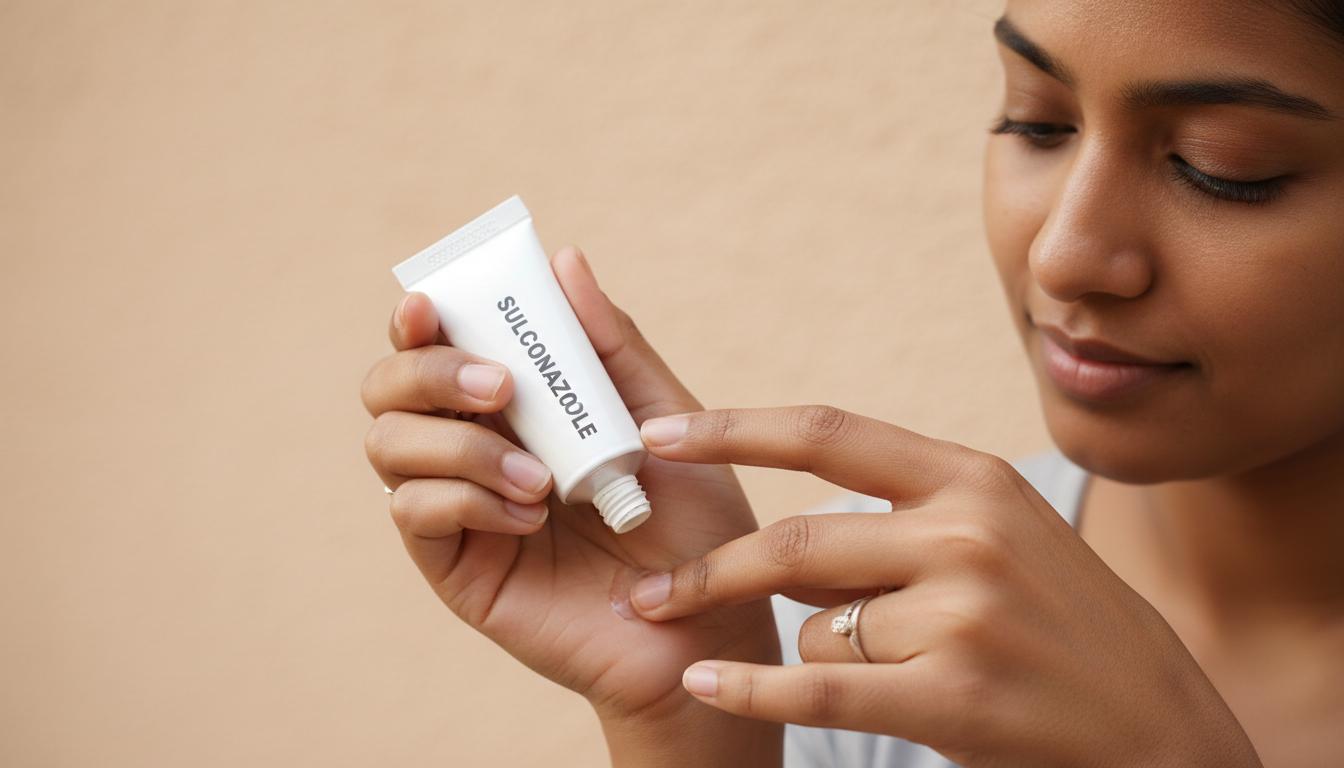
Have you noticed red, round patches on your skin that keep itching day after day? While it is easy to brush these off as dry skin, they are often fungal or yeast infections. Because of warm and humid weather, skin infections happen quite easily. When you deal with these stubborn issues, doctors often recommend a well-known medicine called Sulconazole.
This medicine usually comes as a cream or a solution designed for external use. Today, we will explore what this medicine does, how to use it safely, and what important details you should keep in mind during your recovery. Let us break down everything you need to know in simple, easy-to-understand terms.
Key Takeaways
- Sulconazole is a prescription antifungal medicine applied directly to the skin to kill infection-causing fungi.
- Always apply a thin layer to clean, dry skin and avoid wrapping the treated area with airtight bandages.
- Finish your full course of treatment even if your skin starts to feel better after a few days.
- Talk to your doctor right away if you experience severe skin irritation, burning, or a rash.
Renal function (eGFR)
Measure kidney function based on creatinine value
What Kind of Medicine Is Sulconazole?
Simply put, Sulconazole is an antifungal medicine. This means it has the power to destroy the fungi that grow on the surface of your skin and cause uncomfortable infections. Doctors often prescribe this treatment for various common skin conditions.
For example, it helps clear up ringworm, jock itch in the groin area, and athlete's foot between your toes. However, your doctor might also suggest this medicine for other skin issues based on your personal health needs. If you have any questions about why you were prescribed this cream, always ask your doctor for clear guidance.
Things to Tell Your Doctor Before Using This Medicine
Before your doctor prescribes Sulconazole, they will ask you a few important questions. It is vital that you share your complete medical history and current health status. Here are the key details you should mention:
- Allergies: Tell your doctor right away if you are allergic to Sulconazole or any other antifungal medicines. Mention any past allergic reactions to foods, preservatives, dyes, or other topical products.
- Pregnancy: Let your doctor know right away if you are pregnant or if you are planning to become pregnant soon.
- Breastfeeding: If you are currently breastfeeding a baby, inform your medical provider before starting this treatment.
Your doctor will review these details carefully to decide if this specific medicine is safe and effective for you. Never hesitate to share small health details, as they help protect your well-being.
How Do You Use This Medicine Correctly?
To get the best results from your treatment, you must follow the application rules very carefully. Proper use ensures the fungus goes away and stays away.
1. For skin use only: This medicine is strictly for external use on your skin. Never take it by mouth or apply it inside your body.
2. Wash your hands: Wash your hands thoroughly with soap before and after applying the medicine. However, if you are treating an infection on your hands, wash them before application but avoid washing them right away after if they are the treated site.
3. Apply a thin layer: Put a thin layer of the medicine directly onto the infected skin and a small healthy border around it. You do not need to slather it on thick. Gently rub it in smoothly.
4. Keep it out of your eyes: Be very careful not to get this medicine in your eyes. If accidental contact happens, rinse your eyes right away with plenty of clean water.
5. Do not use airtight wraps: You can cover the treated area with a clean, breathable gauze if needed. Never use plastic wrap or airtight bandages because trapped moisture helps fungus grow faster.
6. Stick to your schedule: Use the medicine at the exact time intervals recommended by your doctor. Do not apply it more often than instructed.
Using It on Young Children
If you need to use this medicine on a child, talk to your pediatrician first. Children have sensitive skin, and medical professionals need to calculate or approve treatments with special care.
What If You Apply Too Much (Overdosage)?
If you accidentally use too much of this topical medicine, do not panic. However, if someone swallows it or if you experience severe skin distress, contact your local emergency services or go to the nearest emergency department right away.
What to Do If You Miss a Dose?
If you forget to apply your medicine at the scheduled time, put it on as soon as you remember. But if it is almost time for your next regular application, skip the missed dose entirely.
Stick to your normal routine moving forward. Never apply a double dose to make up for a missed one, as extra medicine will not speed up healing and might irritate your skin.
Things to Watch Out For While Using This Medicine
- If you see no progress: If your skin symptoms do not improve after four to six weeks of regular use, tell your doctor right away.
- Other medicines: Tell your doctor about every product you use, including other creams, vitamins, and herbal products. Mention if you use other antifungal treatments like Nystatin.
- Special tips for jock itch: If you are treating an infection in your groin area, keep the skin completely dry after bathing, avoid tight nylon clothes, and wear loose cotton underwear to promote airflow.
What Side Effects Can Happen?
Like all medicines, Sulconazole can cause side effects in some people, though many users experience none at all. Reviewing potential reactions helps you stay prepared.
| Side Effect Category | Description & Actions |
|---|---|
| Call Your Doctor Right away | If you develop a sudden skin rash, hives, swelling, or other severe signs of an allergic reaction. |
| Mild Local Reactions | Mild stinging, redness, itching, or tingling where you applied the cream. These often fade as your skin adjusts. |
If you notice any unusual symptoms not listed here, consult your doctor or pharmacist right away for professional medical advice.
When to Call Emergency Services
Call 911 (US/Canada), 999 (UK), or visit your nearest emergency department right away if you experience signs of severe anaphylaxis, such as trouble breathing, swelling of the face, lips, or tongue, or widespread blistering skin reactions.
How to Store Your Medicine Safely
- Keep away from children: Store your medicine tube safely out of the reach of young children and pets.
- Temperature control: Keep the product stored below 40 degrees Celsius (104 degrees Fahrenheit) and protect it from extreme heat.
- Close tightly: Always screw the cap back on tightly after every use to keep air and moisture out.
- Protect from light: Keep the tube away from direct sunlight and bright window lights.
- Expiration dates: Check the expiration date regularly and safely dispose of any expired medicine.
💡 Take-Home Message
- Sulconazole is a topical medicine used strictly for external skin fungal infections. Never take it by mouth.
- Complete the entire treatment course prescribed by your doctor, even if your skin looks and feels better.
- Inform your doctor about any allergies, pregnancy status, or if you are breastfeeding before starting.
- Never cover the applied area with airtight plastic bandages that trap sweat and moisture.
- Visit your doctor if your skin shows no improvement after four to six weeks or if severe rashes develop.
- Never share your prescription skin medicine with family members or friends.
References & Further Reading:
- Cleveland Clinic. (2025). Antifungal Topical Medicines: Uses and Care Guidelines.
- Mayo Clinic. (2024). Ringworm and Athlete's Foot: Diagnosis and Treatment.
- National Health Service (NHS UK). (2025). Fungal Skin Infections Overview.
- Centers for Disease Control and Prevention (CDC). (2024). Healthy Skin and Fungal Prevention.
- National Institutes of Health (NIH / PubMed). (2023). Topical Sulconazole Efficacy in Dermatophyte Infections.






No comments yet. Be the first to share your question or experience below.