
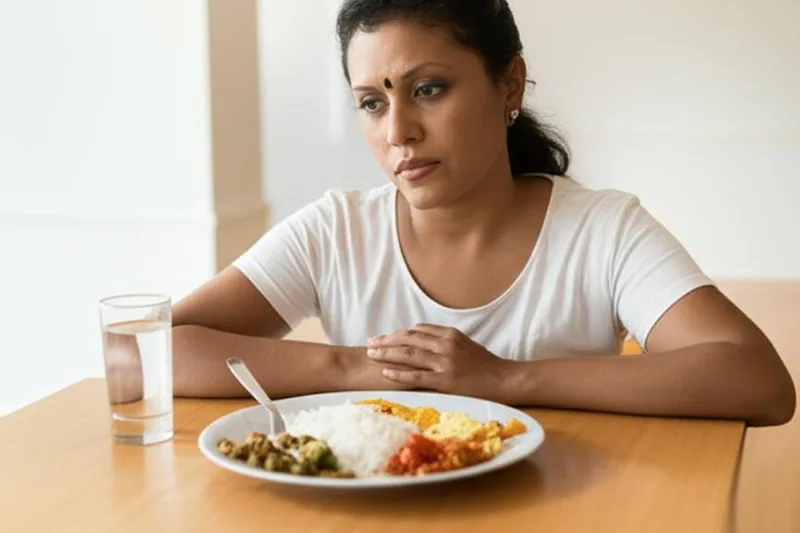
There is no way that there is not one or two people with diabetes among your family, relatives, or friends or neighbors, right? "Diabetes" has now become a very common and normal thing in our country. Some are afraid of it, while others do not care much about it. But why is Type 2 Diabetes so common among us, that is, South Asians and especially Sri Lankans? Is this only because of the diet we eat? Today, let's talk about the real story behind this.
The reasons everyone knows: lifestyle and diet
If someone asks, "Why does diabetes develop?", there are a few first answers that come to our minds.
- Wrong eating habits: Eating rice bowls, eating sweets, oily foods, floury foods, fast food, and sugary drinks.
- Lack of exercise: Sitting for most of the day, driving everywhere instead of walking, and being too lazy to walk even short distances.
- Obesity: Fat accumulation, especially in the abdominal area.
- Stress: Pressure that comes with problems at work and in family life.
- High blood pressure and cholesterol.
All of this is true. These lifestyle mistakes greatly increase the risk of developing diabetes. But have you ever wondered why only one out of two people who eat the same food and live the same lifestyle develops diabetes? Some people are very thin, but they also have diabetes. That's where the other side of the story comes in, which is the influence of our genes .
Our genes are a small set of instructions that control everything in our bodies. These genes determine our skin color, hair color, and even our susceptibility to certain diseases.
The Secret of Our Genes: The Story of the 'Thrifty Gene'
This may sound like a bit of a scientific story, but I'll explain it to you in a very simple way. Think about how our ancestors lived thousands of years ago. Back then, there weren't shops and supermarkets everywhere like there are today. They had to work hard to find food. Sometimes, there were droughts and famines, and food was scarce.
So, to survive in this environment, their bodies had to be specially adapted. That is, as soon as they got some food, they had to be able to absorb as much energy as possible and store the rest as fat in their bodies . Because they don't know when their next meal will come. The genes that helped them use energy sparingly and store it as fat are what we simply call ' thrifty genes'. Having these genes at that time was a great blessing for survival.
So what is the problem today?
The problem is, our genes still work the same way they did thousands of years ago, but our environment has completely changed.
This difference can be better understood from the table below.
| Factor | The time of our ancestors | Our present time |
|---|---|---|
| Food | Always scarce and hard to find. | There are plenty of high-calorie foods. |
| Physical labor | Heavy all day (farming, hunting, walking). | Very low, sedentary. |
| The action of genes | To preserve life by extracting maximum energy from the small amount of food available and storing the rest as fat. | Overeating can lead to rapid fat storage, obesity, and insulin resistance . |
Simply put, those genes that were a blessing to our ancestors have become a curse for us today. Because the high-calorie foods we eat are quickly converted into fat by our genes and stored in our bodies. This leads to weight gain, especially around the belly. When this happens, the hormone insulin, which controls sugar in our body, cannot work properly. This condition is called insulin resistance . This is the main cause of type 2 diabetes.
So what can we do?
You might think, "So if it's just our genes, there's nothing we can do about it." But that's completely wrong. This is a very important thing to remember.
If genes are like a loaded gun, it's our lifestyle that pulls the trigger.
This means that even if you have a genetic predisposition to developing diabetes, if you manage your lifestyle and diet properly, you can avoid that risk. Or even postpone the development of diabetes for a long time.
Steps we should follow
1. See your doctor: If anyone in your family has diabetes, it is essential that you check your blood sugar levels (Fasting Blood Sugar, HbA1c) at least once a year. If there is a risk, your doctor can help you be aware of it in advance and take the necessary steps.
2. Change the rice plate: We are used to eating a lot of rice and a little fish and vegetables. Turn it around. Reduce the amount of rice on the plate by one quarter (1/4), and fill half (1/2) with vegetables and greens. For the remaining (1/4) add a protein such as fish, dried fish, chicken, eggs, lentils, or chickpeas.
3. Get active: Get at least 30 minutes of moderate exercise a day. Brisk walking, running, or cycling are all good options. You don't have to go to the gym. Use the stairs whenever possible, walk to the store. These little things can make a big difference.
4. Control your weight: It is very important to reduce belly fat, especially in the belly area. This can be achieved through proper diet and exercise.
5. Reduce sweets and fats: Limit sugar, sweetened drinks, cakes, biscuits, and fatty foods as much as possible. These directly increase your risk of diabetes.
Take-Home Message
- As Sri Lankans, we are at increased risk of developing Type 2 Diabetes due to our lifestyle as well as genetic factors.
- Due to the 'thrifty genes' inherited from our ancestors, our bodies store fat quickly.
- Although we cannot change our genes, we can protect ourselves from the risk of diabetes by changing our lifestyle.
- A healthy diet, regular exercise, weight control, and stress reduction are the best solutions we have.
- If you have a family history of diabetes, see your doctor without delay and continue to have medical checkups.




💬 Comments (0)
No comments yet. Be the first to share your thoughts here.
Add Your Comment