

Diabetes has become a very common disease among many people in our country. Perhaps one of your family members, a friend, or even you yourself is affected by this condition. Type 2 Diabetes in particular is a serious health problem that affects more than 400 million people worldwide. If not properly controlled, it can lead to dangerous complications such as kidney damage, vision loss, heart disease, and paralysis. Although there are more than 30 types of drugs to control this disease, none of them can completely "cure" it. But... new research suggests that this situation may change. Let's see how.
What we've been thinking about diabetes for so long
About twenty years ago, if you asked an expert about diabetes, he would say that the main cause of this is 'insulin resistance'. Simply put, insulin is a hormone produced by our pancreas. Its main function is to take the glucose (sugar) that comes from the food we eat and put it into the cells of our body. That is when the cells get energy.
Think of insulin as a key, and cells as a door. Insulin is the key that opens the door so that glucose can enter the cells.
But, the cells of a person with insulin resistance don't respond to this insulin properly. It's like the keyhole on the door has rusted. Then, because the door can't be opened, the pancreas has to make more insulin keys. Over time, the pancreas becomes weak from working so hard. That's when type 2 diabetes occurs. This is the story we've known for so long.
The most important new discovery: The story of beta cells
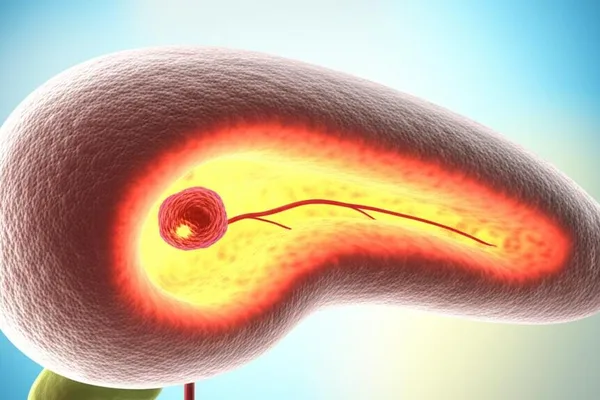
Now scientists have discovered that the problem isn't just insulin resistance. The other half of the problem lies in our beta cells . These are the cells that sit inside the pancreas and are like little factories that produce insulin.
Most of the beta cells our bodies need are produced during the first few years of our lives. But some people are born with more beta cells than others. So, even if they develop insulin resistance later in life, their beta cell factories can make more insulin to compensate.
However, when someone with a congenital deficiency of beta cells develops insulin resistance, the cells that are left have to work harder than they can handle. Eventually, those cells become exhausted and die. Those are the people who develop type 2 diabetes.
So, the biggest goal now is to find a drug that can either regenerate these dying beta cells or increase the number of cells that are present. If that can be done, type 2 diabetes could be cured, not just controlled.
The latest drugs that have brought hope
As scientists researched this, they found a drug that could help grow these beta cells. It's called harmine . It's a compound that's naturally found in various plants around the world.
This drug, called harmine, works by blocking an enzyme called DYRK1A inside beta cells. When this is blocked, beta cells begin to divide, multiply, and increase in size. In tests on mice, diabetic mice given this drug had a three-fold increase in beta cell size! At the same time, their blood sugar levels also returned to normal.
But, for this to be as successful in humans, scientists realized that something else was needed. So, they tested the harmine drug with another class of drugs already used for diabetes. That class of drugs is called GLP1R agonists . If you are someone who takes diabetes medication, you may have heard of these names: `(exenatide)`, `(liraglutide)`, `(lixisenatide)` are some of the drugs in this class. They work by stimulating beta cells and encouraging insulin production.
So, what happened when these two drugs were combined? The results were amazing!
| Treatment applied | Beta cell growth (within 24 hours) |
|---|---|
| Harmine only | A growth of about 2% |
| Harmine + GLP1R agonist drug | Up to 8% growth! |
| In some cases, beta cell numbers have been observed to increase by as much as 40% in as little as 4 days. | |
These results have given rise to great confidence that this treatment method will be successful in humans as well.
The challenge ahead and why is this important?
The biggest challenge now is how to deliver this drug mix directly to the beta cells. Scientists are saying, "We have a package to cure the beta cells, but we don't know the exact address to send it to." As a solution, they are thinking of using something called monoclonal antibodies . These are like a smart courier service that can deliver our drug package directly to the beta cells.
Why is this so important?
Just think, the current diabetes medications only control blood sugar levels. If you stop taking the medication, the disease will reappear.
The only thing that has come close to a permanent solution so far is bariatric surgery . That is, surgery to lose weight. This often puts diabetes into remission. But for the 400 million people in the world, surgery is not practical. It is expensive, risky, and takes a long time to heal.
But if this new drug combination is successful, it could change the lives of millions of people around the world. It doesn't just suppress symptoms, it restores the root cause of the disease, which is the loss of beta cells.
Take-Home Message
- Type 2 diabetes is not only caused by insulin resistance. A decrease in the number of insulin-producing beta cells is also a major cause.
- Scientists are now trying to find a drug that can regrow these lost beta cells.
- Research has shown that combining harmine with an already used GLP1R agonist drug causes beta cells to grow much faster.
- Although this is still in the research stage, it holds great hope for a treatment that could completely cure diabetes in the future.
- While all of this is a future hope, it is important to control your diabetes for now. Follow the advice of your doctor.




💬 Comments (0)
No comments yet. Be the first to share your thoughts here.
Add Your Comment