
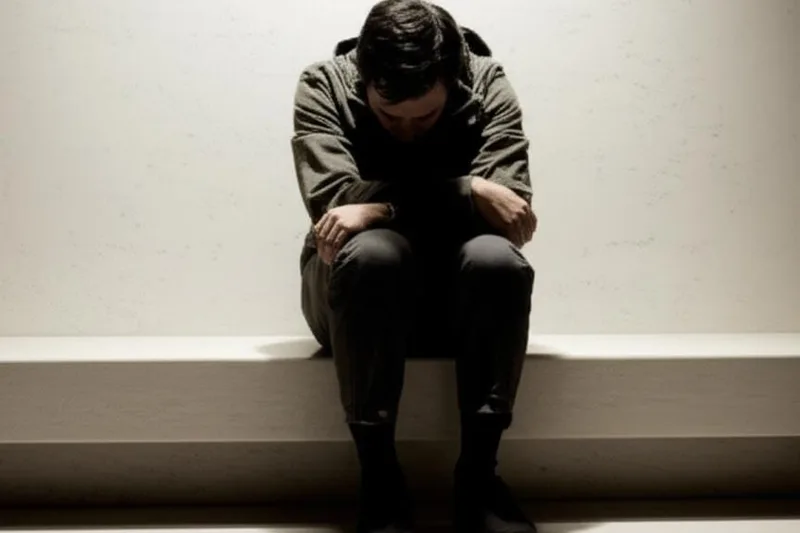
We all feel sad and down at times in our lives. It's normal. But if this feeling persists for weeks or months, and if it's so overwhelming that you can't function in your daily life, it could be more than just sadness. Today we're talking about depression, a serious condition that can be dangerous if left untreated.
What exactly is depression?
Simply put, depression, or ``Clinical Depression'' as it is medically known, is a condition that affects our body, mood, and thoughts at the same time. This is not a weakness of the mind or a figment of our imagination. It is a disease that needs to be treated, just like diabetes or high blood pressure.
Depression cannot be cured by simply "making up your mind." It is a chemical change in the brain. Without the right treatment, such as psychotherapy or, if necessary, antidepressants, it can last for weeks, months, or even years. The good news is that with the right treatment, most people with depression can make a full recovery.
How does untreated depression affect our physical health?
Many people think that depression only affects the mind. But that's completely wrong. Untreated depression can seriously affect our physical health as well.
Recent research has found that people who are recovering from a heart attack or stroke also have depression, which can make it harder for them to recover. They have a harder time following their doctor's instructions and making decisions about their health. Another study has shown that people with depression are at a higher risk of dying in the first few months after a heart attack.
That means, if your mind is not healthy, your body will also be sick. The two are interconnected.
What is the relationship between depression and sleep?
One of the most common and obvious symptoms of depression is a change in sleep patterns. The most common is insomnia. This means that you either can't fall asleep after going to bed, wake up in the middle of the night, can't fall back asleep, or wake up in the early morning.
But for some people, it can be the opposite: feeling sleepy all the time, feeling tired no matter how much sleep they get.
These sleep problems can exacerbate other symptoms of depression. Specifically, excessive daytime fatigue, lack of energy, and difficulty concentrating can all be caused by sleep deprivation. It's like a vicious cycle.
| Common symptoms of insomnia that can occur with depression | |
|---|---|
| Feeling tired all day long | Frequent irritability and difficulty concentrating |
| Feeling sleepy no matter how much you sleep | Difficulty falling asleep at night |
| Difficulty falling back to sleep after waking up at night | Waking up before the alarm clock |
Can depression increase drug and alcohol use?
Yes, absolutely. Alcohol and drug abuse are very common among people suffering from depression. Some people turn to this when they cannot bear the pain and pressure they feel. This condition is especially common among young children and middle-aged men .
This is very dangerous, because drug and alcohol use can worsen depression and greatly increase the risk of suicide. Therefore, we should all be interested in helping someone like this.
| Symptoms of drug and alcohol abuse | |
|---|---|
| Inability to maintain relationships with others | Drinking alcohol secretly from others |
| Self-pity | Tremors |
| Memory loss without reason | Reluctance to talk about drugs or alcohol |
Does depression affect men and women the same way?
No. There are differences in the way men and women experience and express depression. While women tend to express feelings of sadness and hopelessness, men often show different symptoms.
Imagine, there is someone you know, who is always angry, aggressive, fights over small things. Or drives very recklessly, does dangerous things. We often ignore these things, saying, "Girls don't grieve like girls, that's just how boys do it." However, this excessive anger, frustration, and violent behavior can be signs of depression in men.
Additionally, men often don't realize that physical symptoms like headaches, digestive disorders, and chronic pain can be a result of depression. They seek treatment for these symptoms but don't consider the psychological cause behind them.
Suicide risk - a serious topic we need to talk about
The worst and saddest outcome of untreated depression is suicide. This is a topic we don't like to talk about, but it needs to be talked about.
If someone is thinking about taking their own life, or talking about it, never take it lightly. It's a cry for help.
Not everyone with depression attempts suicide, but it has been found that more than 90% of people who die by suicide have depression, another mental illness, or a substance abuse problem.
Risk Factors for Suicide
This risk is higher for someone with certain conditions. It is important to be aware of these.
| Risk factor |
|---|
| Having a family history of mental illness or drug abuse. |
| Having a history of physical or sexual abuse in the family. |
| Having previously attempted suicide. |
| Family members or friends have attempted suicide. |
| Keeping a firearm at home. |
Warning Signs of Suicide
If you know someone who is showing one or more of these symptoms, please take immediate action. Do not leave the person alone. See a doctor immediately. If necessary, take them to the Emergency Treatment Unit (ETU) of the nearest hospital. Calling the helpline numbers of organizations like "Sumithrayo" in Sri Lanka is also a good step, but medical treatment is essential.
| Warning feature |
|---|
| Talking, writing, or thinking about killing or hurting yourself. |
| Worsening of pre-existing depression (deep sadness, loss of interest, sleep and eating problems). |
| Saying things like "I'd rather not be here" or "I want to get out of this." |
| Loss of interest in things they used to love. |
| Doing things like putting your affairs in order, changing your last will and testament. |
| Someone who was very sad suddenly becomes calm or appears happy. |
| Searching for suicide methods (firearms, pills). |
Can depression be successfully treated?
Absolutely yes! This is the most important thing. More than 80% of people with depression can be successfully treated with early diagnosis, proper treatment, and support.
Many people get the best results from a combination of psychotherapy and medications. There are also newer treatments for treatment-resistant depression that don't respond to some medications. For example, electroconvulsive therapy (ECT), transcranial magnetic stimulation (TMS), and ketamine spray. This is all determined by your doctor.
Take-Home Message
- Depression is not a weakness of the heart, but a real illness that needs to be treated.
- If left untreated, it can seriously affect your physical health, sleep, family life, and work.
- If you see warning signs of depression or suicide in yourself or someone you know, don't ignore it.
- There are very effective treatments for depression. Never hesitate to ask for help or see a doctor.
- If someone talks about suicide, take it very seriously and get medical help immediately. Don't leave them alone.


💬 Comments (0)
No comments yet. Be the first to share your thoughts here.
Add Your Comment