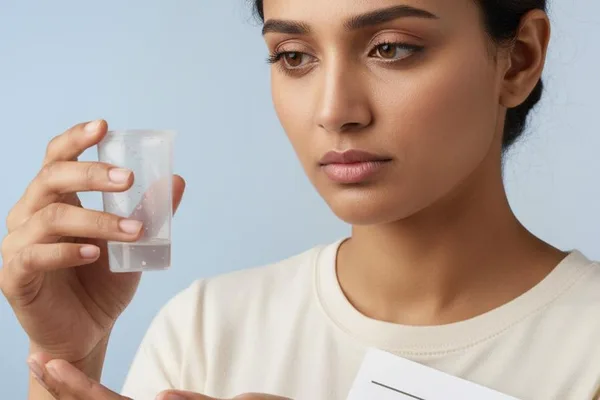
Have you also been asked to do a 'Urine Culture' test? (Urine Culture Test) Let's find out about this simply!

Have you also been asked to do a 'Urine Culture' test? (Urine Culture Test) Let's find out about this simply!

Do you also feel burning or pain when you urinate? Or do you have frequent urination? At times like these, your doctor may order a urine test and ask you to do a 'Culture'. Many people get a little scared when they hear the word 'Culture'. But this is actually a very simple and very important test. Let's talk about it all clearly today.

Simply put, what is urine culture?

It's very simple. This is done to check if there are any bacteria or fungi/yeast in your urine. 'Culture' means that the lab takes a sample of your urine, places it on a special plate that has food for the germs to grow on, and lets it grow for a day or two. If there are infectious germs in your urine, they will spread out on the plate and grow into colonies.

The biggest advantage of this test is that it can identify exactly what germ is causing your urinary tract infection (UTI). Not only that, it can also determine which antibiotic is best for killing that germ. Then, your doctor can choose the best medicine for you to get better quickly.

The difference between a urine culture and a routine urine test (urinalysis)

Most of the time, a doctor will first prescribe a general urine test. We also call it a Urine Full Report (UFR). Let's see what the difference is between the two.

Test What do you simply do? Results are coming soon.
General urine test (Urinalysis / UFR) This is a quick test. It is done to get a rough idea of ​​whether there are red and white blood cells, bacteria, etc. in the urine. It only gives a hint of an infection. Can be picked up in a few hours.
Urine CultureThis is a confirmatory test that helps to identify the specific germ that caused the infection. It also helps to determine the appropriate medication for it. It takes about 2-3 days.

How exactly do you give a urine sample for this test?

This is the most important thing. For the test result to be 100% accurate, the urine sample we provide must be clean, without any external contamination. We call this the 'Clean Catch' method.

Do you need to prepare before the test?

  • Try not to urinate for about an hour before giving the sample.
  • If you drink a glass or two of water about 20 minutes before giving the sample, it will be easier to collect enough urine.
  • If possible, it is best to provide a urine sample first thing in the morning after waking up.

Steps for providing a urine sample for the 'Clean Catch' method

1. Wash your hands thoroughly: First, wash your hands thoroughly with soap.

2. Clean: Thoroughly clean the area where the urine comes out with a special antiseptic wipe provided by the lab.

  • If you are a woman: Wipe the labia from front to back around the vaginal opening.
  • If you are a man: If you are uncircumcised, pull back the foreskin and wipe the glans penis thoroughly.

3. Remove the first few: Start urinating and empty the first few urines into the toilet.

4. Collect the middle: Then, without stopping urinating, grab the clean cup provided by the lab and collect the urine into it. Remember to hold the cup without letting it touch your body .

5. Remove the last bit: Once the cup is about half full, remove it and flush the remaining urine down the toilet.

6. Close the cup and hand it over: Close the lid of the cup tightly and place it in the appropriate place in the lab. Wash your hands thoroughly again.

It is very important to follow this 'Clean Catch' method. Otherwise, the normal bacteria on our skin can mix with the urine and cause the report to show a false positive even though you don't have an infection.

How do you take a urine sample from a small baby?

Because it is difficult to give urine to young children in this way, other methods are used.

  • Urine Bag (U-bag): For very young babies, the doctor will give you a special bag (Urine bag). This is like a sticker that you have to stick to the place where your baby urinates. After your baby urinates, you need to carefully remove it and take it to the lab.
  • Through a catheter (Catheterization):Sometimes, in a hospital, a doctor or nurse may insert a thin tube (catheter) down the urethra and collect a sample of urine directly from the bladder.

Understanding the results of the urine culture report

You will receive your report in two or three days. It is very easy to understand.

Result Simple meaning
Negative / No Growth (Negative) This is normal. It means that there are no germs in your urine that can cause an infection. You do not have a UTI.
Positive / Growth () This means that germs have grown in your urine, meaning you have a UTI. The report will also list the name of the germ (e.g. E. coli ).
Is it sensitive to antibiotics? (Antibiotic Sensitivity)
Susceptible (S) This medicine works very well against that germ. The doctor will often give you this medicine.
Intermediate (I) This medicine works to some extent. Perhaps if you give a higher dose of medicine, you can kill the germ.
Resistant (R) This medicine doesn't work at all on that germ. It's useless to give this medicine.

Sometimes, you can have bacteria in your urine without any symptoms. This is called asymptomatic bacteriuria . Usually, if there are no symptoms, there is no treatment. However, if you are pregnant, your doctor will prescribe treatment for it.

When do you need to talk to your doctor?

  • If you think you have a UTI and start taking medication, but your symptoms don't improve.
  • If you are not clear about the results of your test report.
  • Even if your test result is 'Negative', you still have symptoms like urinary tract infection, pain (maybe it could be due to another cause like kidney stones).

The most important thing is that a urinary tract infection is not something to ignore. If left untreated, the infection can spread to the kidneys or bloodstream and become serious. So, if you have any doubts, be sure to see a doctor.

Take-Home Message

  • Urine culture is a simple, important test to identify the exact germ causing a urinary tract infection and the appropriate medication.
  • When providing urine for testing, following the 'Clean Catch' method is essential to obtain an accurate result.
  • Don't worry about the results of the report. Your doctor will explain everything and give you the treatment you need.
  • If your symptoms do not improve after two or three days of taking the medication, see your doctor again.

Urine Culture Sinhala, urine test, UTI Sinhala, urinary tract infection, urinary tract inflammation, clean catch method Sinhala, E. coli Sinhala

Frequently Asked Questions (FAQ)

How do you take a urine sample from a small baby?

Because it is difficult to give urine to young children in this way, other methods are used.

⚠️ Important: The medical articles and information on Nirogi Lanka are for general awareness only, and are by no means a substitute for professional medical advice, diagnosis, or treatment. For any medical problem you have, consult a qualified physician immediately.

💬 Comments (0)

No comments yet. Be the first to share your thoughts here.

Add Your Comment

Please calculate: 5 + 9 =
Have you also been asked to do a 'Urine Culture' test? (Urine Culture Test) Let's find out about this simply!
Medical TestsJuly 7, 2026

Have you also been asked to do a 'Urine Culture' test? (Urine Culture Test) Let's find out about this simply!

Do you also feel burning or pain when you urinate? Or do you have frequent urination? At times like these, your doctor may order a urine test and ask you to do a 'Culture'. Many people get a little scared when they hear the word 'Culture'. But this is actually a very simple and very important test. Let's talk about it all clearly today.

Simply put, what is urine culture?

It's very simple. This is done to check if there are any bacteria or fungi/yeast in your urine. 'Culture' means that the lab takes a sample of your urine, places it on a special plate that has food for the germs to grow on, and lets it grow for a day or two. If there are infectious germs in your urine, they will spread out on the plate and grow into colonies.

The biggest advantage of this test is that it can identify exactly what germ is causing your urinary tract infection (UTI). Not only that, it can also determine which antibiotic is best for killing that germ. Then, your doctor can choose the best medicine for you to get better quickly.

The difference between a urine culture and a routine urine test (urinalysis)

Most of the time, a doctor will first prescribe a general urine test. We also call it a Urine Full Report (UFR). Let's see what the difference is between the two.

Test What do you simply do? Results are coming soon.
General urine test (Urinalysis / UFR) This is a quick test. It is done to get a rough idea of ​​whether there are red and white blood cells, bacteria, etc. in the urine. It only gives a hint of an infection. Can be picked up in a few hours.
Urine CultureThis is a confirmatory test that helps to identify the specific germ that caused the infection. It also helps to determine the appropriate medication for it. It takes about 2-3 days.

How exactly do you give a urine sample for this test?

This is the most important thing. For the test result to be 100% accurate, the urine sample we provide must be clean, without any external contamination. We call this the 'Clean Catch' method.

Do you need to prepare before the test?

  • Try not to urinate for about an hour before giving the sample.
  • If you drink a glass or two of water about 20 minutes before giving the sample, it will be easier to collect enough urine.
  • If possible, it is best to provide a urine sample first thing in the morning after waking up.

Steps for providing a urine sample for the 'Clean Catch' method

1. Wash your hands thoroughly: First, wash your hands thoroughly with soap.

2. Clean: Thoroughly clean the area where the urine comes out with a special antiseptic wipe provided by the lab.

  • If you are a woman: Wipe the labia from front to back around the vaginal opening.
  • If you are a man: If you are uncircumcised, pull back the foreskin and wipe the glans penis thoroughly.

3. Remove the first few: Start urinating and empty the first few urines into the toilet.

4. Collect the middle: Then, without stopping urinating, grab the clean cup provided by the lab and collect the urine into it. Remember to hold the cup without letting it touch your body .

5. Remove the last bit: Once the cup is about half full, remove it and flush the remaining urine down the toilet.

6. Close the cup and hand it over: Close the lid of the cup tightly and place it in the appropriate place in the lab. Wash your hands thoroughly again.

It is very important to follow this 'Clean Catch' method. Otherwise, the normal bacteria on our skin can mix with the urine and cause the report to show a false positive even though you don't have an infection.

How do you take a urine sample from a small baby?

Because it is difficult to give urine to young children in this way, other methods are used.

  • Urine Bag (U-bag): For very young babies, the doctor will give you a special bag (Urine bag). This is like a sticker that you have to stick to the place where your baby urinates. After your baby urinates, you need to carefully remove it and take it to the lab.
  • Through a catheter (Catheterization):Sometimes, in a hospital, a doctor or nurse may insert a thin tube (catheter) down the urethra and collect a sample of urine directly from the bladder.

Understanding the results of the urine culture report

You will receive your report in two or three days. It is very easy to understand.

Result Simple meaning
Negative / No Growth (Negative) This is normal. It means that there are no germs in your urine that can cause an infection. You do not have a UTI.
Positive / Growth () This means that germs have grown in your urine, meaning you have a UTI. The report will also list the name of the germ (e.g. E. coli ).
Is it sensitive to antibiotics? (Antibiotic Sensitivity)
Susceptible (S) This medicine works very well against that germ. The doctor will often give you this medicine.
Intermediate (I) This medicine works to some extent. Perhaps if you give a higher dose of medicine, you can kill the germ.
Resistant (R) This medicine doesn't work at all on that germ. It's useless to give this medicine.

Sometimes, you can have bacteria in your urine without any symptoms. This is called asymptomatic bacteriuria . Usually, if there are no symptoms, there is no treatment. However, if you are pregnant, your doctor will prescribe treatment for it.

When do you need to talk to your doctor?

  • If you think you have a UTI and start taking medication, but your symptoms don't improve.
  • If you are not clear about the results of your test report.
  • Even if your test result is 'Negative', you still have symptoms like urinary tract infection, pain (maybe it could be due to another cause like kidney stones).

The most important thing is that a urinary tract infection is not something to ignore. If left untreated, the infection can spread to the kidneys or bloodstream and become serious. So, if you have any doubts, be sure to see a doctor.

Take-Home Message

  • Urine culture is a simple, important test to identify the exact germ causing a urinary tract infection and the appropriate medication.
  • When providing urine for testing, following the 'Clean Catch' method is essential to obtain an accurate result.
  • Don't worry about the results of the report. Your doctor will explain everything and give you the treatment you need.
  • If your symptoms do not improve after two or three days of taking the medication, see your doctor again.

Urine Culture Sinhala, urine test, UTI Sinhala, urinary tract infection, urinary tract inflammation, clean catch method Sinhala, E. coli Sinhala

Frequently Asked Questions (FAQ)

How do you take a urine sample from a small baby?

Because it is difficult to give urine to young children in this way, other methods are used.

⚠️ Important: The medical articles and information on Nirogi Lanka are for general awareness only, and are by no means a substitute for professional medical advice, diagnosis, or treatment. For any medical problem you have, consult a qualified physician immediately.

💬 Comments (0)

No comments yet. Be the first to share your thoughts here.

Add Your Comment

Please calculate: 5 + 9 =