

Have you ever been to the American Southwest, or parts of Central and South America? Or are you planning to go? If so, this might be of interest to you. Today we're going to talk about a strange fungal infection called "Valley Fever." It affects our lungs.
What is "Valley Fever"? Simply put...
Simply put, "valley fever" is a fungal infection of your lungs. It is caused by a type of fungus called Coccidioides. This fungus lives in the environment, especially in the southwestern United States (such as California and Arizona), parts of Washington state, and in the soil of Central and South America.
Imagine, the first stage of this `(Coccidioides)` fungal infection is called `(Valley Fever).` Sometimes when this occurs, symptoms like a cold or flu may appear, or it may go away without any symptoms. However, sometimes this can turn into a more serious condition.
It is said that about twenty thousand people get ``Valley Fever`` every year. It is especially common in California and Arizona. It is also called ``Coccidioidomycosis``.
What are the symptoms of "low fever"? See if you have these too
Most of the time, this infection doesn't cause any symptoms. However, if you do develop symptoms of ``Valley Fever'', they may include:
- A rash with bumps on the skin that is discolored (red, purple, brown, or black). Doctors call this `(Erythema Nodosum)`.
- Cough
- Feeling very tired (Fatigue)
- Fever
- Joint pain
- Muscle pain
- Night sweats
- Difficulty breathing (Dyspnea)
Sometimes doctors refer to this skin rash, fever, and joint stiffness as "desert rheumatism."
How does someone get "valley fever"?
There are two types of Coccidioides fungi that cause Valley Fever:
1. `(Coccidioides immitis)` (`C. immitis`): This fungus grows in the soil of California.
2. `(Coccidioides posadasii)` (`C. posadasii`): This is found in the rest of the Americas and in the soil of Central and South America.
Both types cause the same symptoms.
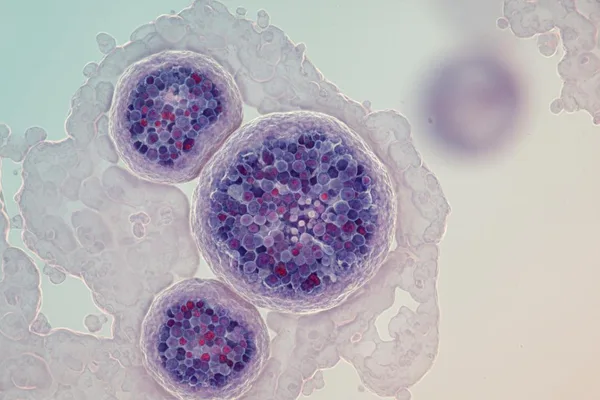
Now let's see how this gets into our bodies. When the soil is disturbed, that is, when we dig it, like in the wind, these fungi break apart. When they break apart, the tiny reproductive parts, called spores , are released into the air. When you breathe in the air containing these spores, they go into your lungs and settle, where they start to grow into larger clusters of spores, called spherules.
These spherules can break apart again, sending more spores to other parts of your lungs, and sometimes to other parts of your body. Those spores can then form spherules again, spreading the fungus throughout your body.
Important: This fungus is not commonly found in Sri Lankan soil. It is restricted to specific geographical areas. Therefore, there is no need for people living in Sri Lanka to be overly concerned about this. However, it is important for those traveling to these areas to be aware of this.
Is "valley fever" contagious?
No, Valley Fever is not a contagious disease. You cannot catch it from another person. However, it can sometimes spread in areas where there is a lot of dust in the air, for example, in areas with strong winds or during construction.
However, very rarely, you can inhale the spores from an open sore on the body of someone who has ``Valley Fever.`` But the chances of that happening are very low. In most cases, the only way to get it is to breathe in the spores in the air outdoors.
Who is most at risk of developing this?
If someone inhales the fungus `(C. immitis)` or `(C. posadasii)`, they can get `(Valley Fever).` However, if you are over 60 years old, you are more likely to get this.
Also, you are at higher risk of developing ``Valley Fever`` if you:
- If you are black or Filipino.
- If you are in the third trimester of pregnancy.
- If your immune system is weak, you are ``immunocompromised.`` This can be due to a condition such as ``HIV/AIDS``, or it can be due to taking certain medications such as ``immunosuppressants`` or ``immunomodulators``.
- If you have diabetes (Diabetes Mellitus).
- If you have recently traveled or moved to an area where this fungus lives.
- If you work with soil or dust (e.g. farming, construction).
What are the possible complications of "valley fever"?
Complications from Valley Fever are generally rare. Only 5 to 10 out of every 100 people develop severe symptoms. Also, only about 1 out of every 100 people will develop the infection to other parts of the body.
However, if you experience severe complications, they may include:
- Acute Respiratory Distress Syndrome (ARDS)
- Pleural Effusion or Empyema
- Spread of infection outside the lungs (Disseminated Coccidioidomycosis)
- Pneumonia
- Hydropneumothorax (a fluid-filled or air-filled sac in the lungs)
Of these, the most dangerous complication of Valley Fever is the spread of the infection beyond the lungs. This can spread to your organs such as:
- Bone
- Brain
- Junction
- Liver
- Kidneys
- Pancreas
- Skin
If Coccidioidomycosis spreads to the brain, you can develop a condition called Coccidioidal Meningitis. This can be life-threatening . It can also cause neurological symptoms such as vision and hearing changes, headaches, and stiff neck.
How do doctors diagnose "valley fever"?
A doctor will take your medical history, ask about your symptoms and travel history, and perform a physical exam. To find out for sure if you have Valley Fever, they may do the following tests:
- Biopsy : The doctor takes a small sample of your tissue and sends it to a lab to check for signs of the fungus Coccidioides.
- Blood Tests : Blood tests are often used to diagnose Valley Fever. They send a blood sample to a lab and look for antibodies or antigens that are specific to the Coccidioides fungus.
- Imaging Tests : Your doctor may do a chest X-ray or CT scan to check for signs of pneumonia caused by Valley Fever.
How is "valley fever" treated?
Treatment for Valley Fever depends on its severity. Your doctor may recommend a "watchful waiting" approach. This means that you don't need immediate treatment because you don't have severe symptoms, but they will monitor you closely and do regular tests.
If you have a severe or persistent infection, or if you are at risk for serious conditions (for example, chronic obstructive pulmonary disease (COPD)), they may prescribe antifungal medications. These may include:
- Amphotericin B given intravenously
- `(Fluconazole)`
- `(Itraconazole)`
You may need to take antifungal treatment for three to six months. However, if you have severe Valley Fever or complications, this period may be longer.
When should I see a doctor?
If you live in an area where the fungus `(Coccidioides)` is common, or have recently traveled to such an area, and you have flu-like symptoms that last for more than a week, see a doctor immediately .
If a doctor diagnoses you with ``Valley Fever'' and you develop any of these symptoms, contact them immediately, or go to the nearest emergency room:
- Blood in saliva
- Neck stiffness
- Difficulty breathing
- Changes in vision or hearing
When you see your doctor, you may want to ask them these questions:
- Am I at increased risk of developing a severe ``Valley Fever'' infection?
- What type of fungus (Coccidioides) caused my infection?
- What treatments do you recommend?
- Should I be on the lookout for other symptoms?
- When should I go to the emergency room?
Can "valley fever" be prevented?
If you live in an area where Coccidioides spores are common, it can be difficult to avoid breathing them in. However, you can do the following to reduce your risk of developing Valley Fever:
- Avoid areas where you may encounter soil or dust.
- During dust storms, close the windows and stay indoors.
- Use High-Efficiency Particulate Air (HEPA) filters in your home.
- Wear an N95 respirator mask when gardening, digging, or doing other outdoor work that could expose you to fungal spores.
What can I expect if I get "valley fever"?
Most people recover from Valley Fever without any long-term problems. However, a small number of people may develop persistent lung infections. These can take a long time to recover from - sometimes years. The death rate from Valley Fever is less than one in every hundred cases.
Rarely, the fungus can spread to other parts of your body. If left untreated, coccidioidomycosis in your brain can be fatal.
How long does "valley fever" last?
Coccidioidomycosis symptoms usually go away on their own within a few weeks or months.
However, a small number of people may have ongoing disease in their lungs. If this lasts a long time, doctors call it chronic (long-term) lung `(coccidioidomycosis). Symptoms of chronic lung `(coccidioidomycosis)` are:
- Chest pain
- Chronic cough
- Coughing up blood (Hemoptysis)
- Difficulty breathing
- Weight loss for no reason
Can "low-grade fever" occur a second time?
In most cases, if you get Valley Fever and recover, the chances of getting it again are low.
How do I get rid of the fungus that causes "valley fever" in my garden?
Coccidioides spores are very small - they can only be seen with a microscope. There is no easy way to identify them or remove them from your garden.
Important: This advice applies to those living in areas of the United States where the fungus `(Coccidioides)` is prevalent. There is no need to be so afraid of this fungus in Sri Lankan plantations.
Finally, things to remember (Take-Home Message)
If you live in an area where the fungus Coccidioides grows, it can be a little difficult to avoid Valley Fever. Fortunately, most cases are not serious and resolve on their own.
However, if you are pregnant, over 60, or have a weakened immune system, it is a good idea to take a few extra steps to protect yourself. You can still enjoy the outdoors. However, it is a good idea to wear an N95 mask and stay indoors, especially on windy days. Talk to your doctor about other ways you can protect your health and what symptoms you should watch out for.
Remember: This is primarily a disease specific to certain parts of the United States. However, as a traveler anywhere in the world, it's always worth being aware of these things. Stay healthy!
` Valley Fever, Coccidioides, Fungal Infection, Lung Disease, Cough, Fever, Fungal Infection, Lung Disease




💬 Comments (0)
No comments yet. Be the first to share your thoughts here.
Add Your Comment