

Imagine that someone close to you suddenly becomes very ill and is admitted to the Intensive Care Unit (ICU). The doctors say, 'The blood pressure (BP) is very low, and a special medicine needs to be started to increase it.' You may have heard words like 'pressors' being started. Vasopressors are a very important class of drugs used in such a life-saving battle. It is very important to know exactly what these are. So let's talk about this today.
Simply put, what are these Vasopressors?
Vasopressors are powerful drugs that doctors use to increase blood pressure that has dropped too low. They are usually given to patients who are in shock . In this state of shock, blood pressure drops so low that the body's vital organs, such as the brain, heart, and kidneys, are deprived of the oxygen-rich blood they need. This can damage those organs and even be life-threatening.
Usually, when someone's blood pressure drops, the first thing they do is give saline (IV fluids). However, if the blood pressure doesn't rise to the desired level even after giving saline, doctors use these vasopressors as the next step.
How are these drugs administered to the body?
Because these are very strong drugs, they are not usually given through a cannula placed in a vein in the arm. They are given through a 'central venous catheter' . This is a special tube that is placed in a major, large blood vessel in the neck, chest or groin. This way, the medicine goes directly into a large vein close to the heart, making it safer and faster to take effect.
What happens inside the body with vasopressors?
These drugs have two main functions:
1. Constriction: Think of a water pipe. If we squeeze the pipe a little, the speed and pressure of the water will increase, right? Vasopressors do the same thing. These drugs cause the small blood vessels in our body to temporarily constrict (narrow). This causes blood pressure to rise.
2. Increasing heart function: Some types of vasopressors affect the heart muscle, helping the heart pump blood more forcefully.
With both of these methods, the low blood pressure increases and blood begins to flow well to vital organs again.
The important thing is that these medications are not used to cure a disease. They are used to control blood pressure and protect the body's organs while the underlying condition (e.g., a severe infection, heart attack) is treated.
Commonly Used Vasopressor Types and Examples
Various types of vasopressors are used in intensive care units. The doctor chooses the most appropriate drug based on the patient's condition.
| Generic Name | Note |
|---|---|
| Norepinephrine | It is a commonly used drug for many shock conditions. |
| Epinephrine (Adrenaline) | Used in severe allergies (anaphylaxis) and heart attacks. |
| Vasopressin | Often used together with Norepinephrine. |
| Dopamine | Low doses affect heart rate and blood pressure. |
| Phenylephrine | Commonly used for low blood pressure caused by anesthesia. |
Are we also unknowingly using vasopressors?
Yes, to some extent. Nasal decongestants, which are used to relieve nasal congestion when you have a cold, also contain a drug that constricts blood vessels. This constricts the blood vessels inside the nose, reducing swelling and making it easier to breathe. Also, the EpiPen® , which is a powerful vasopressor that people with severe allergies should keep on hand, contains epinephrine.
In what medical conditions are these medicines needed?
Vasopressors are a life support treatment. They are needed in very serious, life-threatening situations.
- Shock: Shock caused by severe infection (septic shock), heart failure (cardiogenic shock), or excessive bleeding.
- Sepsis: An infection that has entered the body and cannot be controlled, causing the entire body to respond abnormally, resulting in a drop in blood pressure.
- Heart Attack and Heart Failure: When the heart is unable to pump blood properly.
- During surgery: Especially when blood pressure drops due to spinal anesthesia.
- Severe drug reaction or snakebite.
- During emergency cardiopulmonary resuscitation (CPR).
Do vasopressors have side effects?
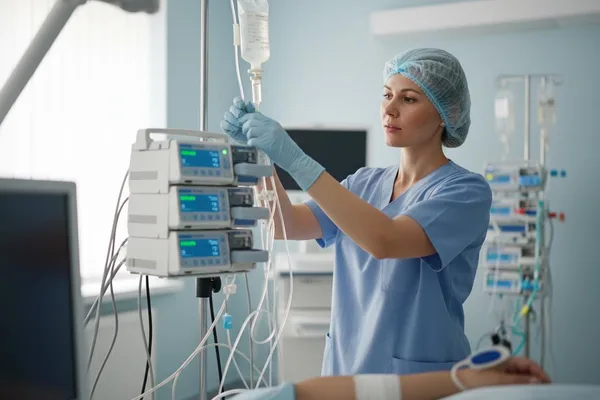
Yes. These are very strong drugs and there is a risk of side effects. That is why they are only given in an intensive care unit (ICU), under the constant supervision of doctors and nurses. Everything from the patient's heart rate, blood pressure, and oxygen levels are constantly monitored through monitors.
Some of the possible side effects:
- Anxiety and headache.
- Chest pain.
- Heart rate abnormalities - increased speed (Tachycardia) or decreased speed (Bradycardia).
- Excessive increase in blood pressure.
- Decreased blood supply to the fingertips due to excessive constriction of blood vessels.
- Risk of blood clots (thromboembolism).
The medical team is constantly monitoring the patient to minimize these side effects. They always adjust the dosage of the medication as needed.
Recovery time
Vasopressors are a very serious medical condition that requires you to be on them. The recovery time will depend on the underlying condition that caused you to be given these medications. You may need to stay in the hospital for weeks or months. Even after you get home, you need to give yourself time to get back to your normal routine.
Once you return home, it is very important to take all the medications prescribed by your doctor on time, in the correct dosage, and to attend your clinic appointments on time. If you experience any symptoms such as feeling unwell, chest pain, or difficulty breathing, contact your doctor immediately or go to the Emergency Department (ETU) of the nearest hospital.
Take-Home Message
- Vasopressors are a powerful class of drugs that can help save lives by increasing severely low blood pressure.
- These work by constricting blood vessels and increasing the function of the heart.
- These drugs are only given in intensive care units (ICUs), under the constant supervision of doctors.
- Although these have side effects, medical teams are constantly working to manage them.
- It takes time to fully recover after receiving this type of treatment, and it is very important to follow medical instructions.




💬 Comments (0)
No comments yet. Be the first to share your thoughts here.
Add Your Comment