
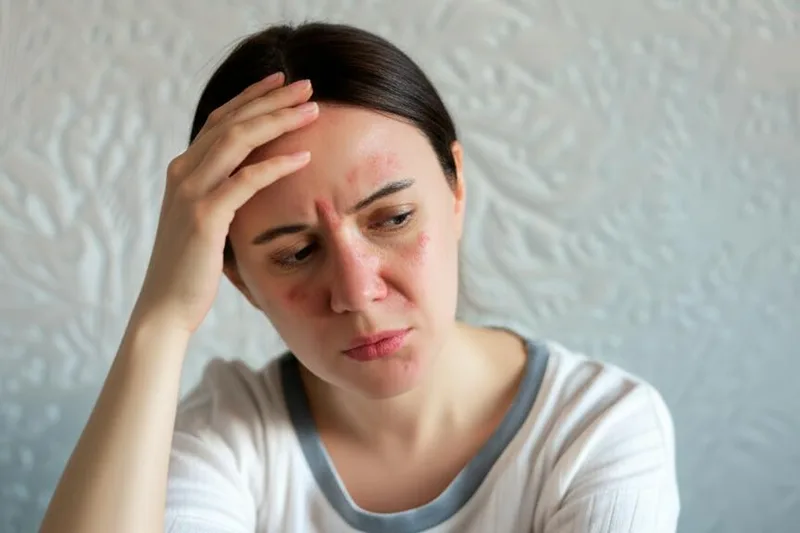
You must have heard of a type of medicine called 'Antihistamine'. We often use this type of medicine when we have allergies, when we have a cold, or when we have a cold. But have you ever wondered what 'Histamine' is, which is controlled by these 'antihistamines'? Is it really our enemy? Or is it our friend? Although this may seem like a complicated topic, it is actually very simple. Today, we will talk about this clearly and in a way that you can understand.
Histamine is a protector of our body.
Simply put, histamine is a chemical produced by your immune system. It works like a bouncer at a nightclub. Its job is to get rid of anything that is bothering you. Here, we call this bothersome substance an 'allergen'. It means something that causes an allergy.
Histamine is what starts the whole process of getting this allergen out of your body. Imagine, you have something harmful in your nose. Then histamine is what makes you sneeze, watery eyes, and itchy skin . All of this is done to get that annoying allergen out of your body somehow. That means, histamine is a very important part of our body's defense system.
But there's a problem. Sometimes your immune system gets a little too excited. When it sees things that are normally harmless, like pollen, dust, or even the hair of your dog or cat , the immune system thinks it's a big enemy. Then the system overreacts.
The body's purpose is good - it's to protect you. But this overreaction is what causes you to have those annoying symptoms that we're all familiar with when we have an allergy. So we rush out and try to stop it with an antihistamine.
How to get rid of histamine and start working
When something you are allergic to (allergen) enters your body, your immune system recognizes it and starts a chain reaction to protect you.
First, this system sends a chemical signal to a special type of cell in your skin, lungs, nose, mouth, digestive tract, and blood . We call these cells mast cells. That signal says, "Okay, now release all that histamine you've been storing."
After histamine is released from mast cells, it travels to the area of the body affected by the allergen and increases blood flow . This causes inflammation in that area. This allows other chemicals in the immune system to come in and repair the damage. The histamine then attaches to special places in the body called receptors.
What happens after all this happens? Imagine that pollen gets in your nose. Then, the histamine causes the thin membranes inside your nose to produce more mucus . The result is a runny nose, a stuffy nose. You also start sneezing constantly. This mucus can get into your throat and cause a cough. Not only that, but the histamine also makes your eyes and nose itch.
The relationship between food and histamine
If you have a food allergy, it's these same histamines that are behind the reaction. If you unknowingly eat or drink something that's harmful to you, histamines start working inside your digestive tract and trigger an allergic reaction.
Also, some foods naturally contain high levels of histamine. People who are sensitive to these may experience some discomfort when consuming these foods. Let's take a look at what such foods are.
| Histamine-rich food category | Examples |
|---|---|
| Fermented/Aged Foods | Preserved cheese, yogurt, sausage, salami, sauerkraut |
| Alcohol | Especially red wine and beer |
| Some vegetables and fruits | Spinach, eggplant, tomato, avocado, banana |
| Prepared or smoked meat/fish | Bacon, smoked salmon |
In addition, there is a condition called 'histamine poisoning'. This happens when you eat fish that has gone bad and has not been kept at a safe temperature. The histamine levels in such fish increase dramatically. This can cause symptoms like vomiting, diarrhea, and headaches . Doctors call this condition 'scombrotoxin fish poisoning' (SFP). However, if you follow good food safety practices, the chances of this happening are very low. If you suspect something like this, you should see a doctor immediately.
Did you know these things?
Histamine is not only found in our bodies. Many plants and animals also contain histamine. A good example is the venom of some insects .
If you get stung by an animal like a wasp or a hornet, histamine enters your body along with the venom of that animal. Not only that, but at that time, your own histamine is also released and the defense process begins. Because it is a real attack. This shows that histamine is not always acting on "wrong signals", but is actually an essential thing that protects our body.
Take-Home Message
- Histamine is a natural chemical produced by our immune system. Its main function is to protect us from harmful substances entering the body.
- Allergies occur when the immune system overreacts to harmless things like pollen and dust, releasing excessive amounts of histamine.
- This release of histamine is what causes common allergy symptoms such as sneezing, runny nose, and itchy skin and eyes.
- Some foods, such as preserved foods and alcohol, are naturally high in histamine, and they can affect sensitive people.
- If your allergy symptoms are severe or interfering with your daily life, it's best and safest to talk to your doctor about it.




💬 Comments (0)
No comments yet. Be the first to share your thoughts here.
Add Your Comment