
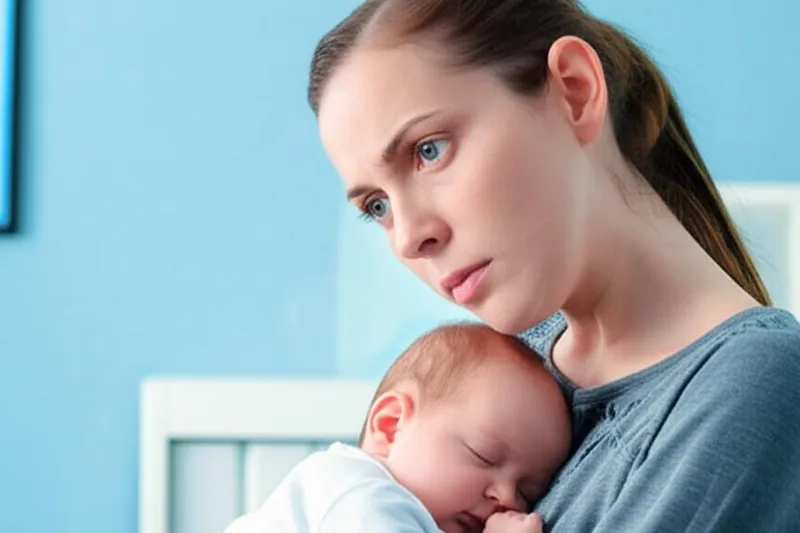
When you are preparing to enroll your child in school or daycare, it is essential to check whether their vaccination card is complete, isn't it? In our country, according to the National Vaccination Program, it is mandatory to give children vaccines at the appropriate ages. But sometimes parents can have various questions and fears about vaccines. "Will this vaccine be bad for my child?", "Are the rumors true?" You may also be wondering things like this. So today, let's talk about whether there are really cases where some children are allowed to skip vaccinations, why they are doing so, and what society thinks about vaccines.
What is "Vaccine Exemption"?
Simply put, this means that a child is exempt from receiving a vaccine or vaccines that are required by law or health guidelines. These rules vary from country to country. In Sri Lanka, our National Immunization Programme is very robust. However, for certain medical reasons, a doctor may temporarily postpone or sometimes completely stop a child from receiving a vaccine.
These kinds of laws exist to balance two main concerns. One is to protect public health. That is, to protect the entire community, especially children, from infectious diseases. The other is to respect an individual's beliefs and health needs.
Statistics show that in areas with a high number of unvaccinated children, the risk of epidemics such as measles, mumps, and pertussis/whooping cough is very high.
What are the main reasons for being exempt from vaccinations?
Although different countries around the world accept different reasons for this, they can mainly be divided into several categories. Let's see what they are.
| Reason for Exemption | What does this mean? |
|---|---|
| Medical Exemptions | When a doctor decides that a vaccine may be dangerous due to the child's health condition. This is the main reason that is practically important in Sri Lanka as well. |
| Religious Exemptions | In some countries, the law allows for refusal of vaccinations based on family religious beliefs. |
| Personal/Philosophical Exemptions | Parents refuse to vaccinate based on fears about the safety of vaccines or other personal beliefs. Many of these beliefs are not scientifically proven. |
Why not give a vaccine for medical reasons?
This is a very important point. This decision is made by the doctor examining the child, not the parents or anyone else. There are some special cases where a doctor believes that giving a vaccine may do more harm than good to the child.
- If the immune system is weakened: If a child with cancer is undergoing chemotherapy, or is taking another disease or medication that suppresses the immune system, the child may not be able to tolerate some vaccines.
- Severe Allergies: If the child has been proven to have a severe allergy (such as anaphylaxis) to a vaccine or its ingredients.
- If the child has had a severe reaction to a previous vaccine: If the child has had a very severe, life-threatening reaction to a previous dose of a vaccine.
At a time like this, your doctor will explain it clearly to you and decide whether to temporarily or permanently stop giving the vaccine.
Vaccine fears and the truth
You've probably heard the story that "vaccines cause autism." This is the biggest and most dangerous myth about vaccines.
The truth: This story started with a small study by a British doctor in 1997. But since then, thousands of large studies around the world have repeatedly proven that there is no link between vaccines and autism. The doctor who did the original study even had his medical license revoked. So don't be alarmed by this.
Others think that "getting sick and recovering from illness builds immunity." That may be true to some extent, but it's like playing with fire. If you get diseases like measles, whooping cough, or polio, they can cause pneumonia, brain infections, paralysis, or even death. What a vaccine does is build immunity against the disease safely, without those serious consequences.
What is "Herd Immunity"? Why is it important to us?
Imagine that almost everyone in your area is vaccinated. Then, even if someone from outside somehow brings a disease, there is no place for that disease to spread. Because almost everyone around you is protected against that disease.
This is what we call "Herd Immunity".
This is especially important to protect those who cannot get vaccinated.
- Newborn babies (not yet old enough to receive some vaccines)
- Children who cannot be vaccinated for medical reasons (e.g. cancer patients)
- Elderly and immunocompromised adults
To protect the entire society from a highly contagious disease like measles, at least 90% to 95% of the population needs to be vaccinated. If the percentage of those who do not get vaccinated increases even slightly, holes will appear in this protective shield. Then the disease can spread rapidly among those helpless, unvaccinated people, and an epidemic can occur.
What do you do if you have a question about vaccines?
Your concern for your child's health is very reasonable. It's normal to feel scared when you hear stories online and from friends. However, the best thing to do at a time like this is,
Ask your family doctor or pediatrician, whom you trust and who knows your child well, about it.
They can explain to you the benefits and very rare risks of each vaccine, depending on your child's health condition. Do not make decisions that could affect your child's life based on information shared on Facebook or WhatsApp groups.
Delaying vaccinations also leaves children vulnerable to diseases at a young age, when they are most vulnerable. Therefore, it is very important to vaccinate them on time.
Take-Home Message
- Our country's national vaccination program is a very safe and effective way to protect children from serious diseases.
- A medical exemption from vaccination is only granted by a doctor, and only in special cases where the vaccine could be dangerous to the child's health.
- The claim that vaccines cause diseases like autism is completely false and a scientifically debunked myth.
- By vaccinating your child, you not only protect your child, but also others who cannot get vaccinated (herd immunity).
- If you have any questions, fears, or doubts about vaccines, please talk openly with your doctor about it.


💬 Comments (0)
No comments yet. Be the first to share your thoughts here.
Add Your Comment