

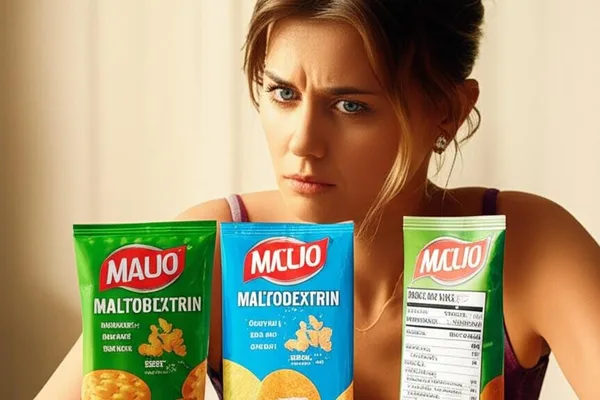
Have you ever read the ingredients list of packaged foods like biscuits, snacks, sauces, and drinks that we buy from the store? If you do, you will see a lot of unfamiliar and difficult to read words. One of those words that you will often come across is `Maltodextrin`. What does this actually mean? Is it good for our body or bad? Let's talk about it simply today.
What is Maltodextrin? How is it made?
Simply put, Maltodextrin is a highly processed carbohydrate. It comes in the form of a white powder. It is made from starchy foods like corn, rice, wheat, or potatoes.
Think about how this is made. First, they take this starch and cook it well. Then, they add acids or enzymes to it to further break it down. The end result is a white powder that dissolves in water and has no particular taste. So food companies add this powder to various foods.
The main reasons are:
- As a substitute for sugar.
- Improve the texture of the food.
- Increase shelf life.
- Improve taste and appearance.
These are some of the main foods you will see this `Maltodextrin` in:
- Weight-training supplements for exercisers
- Yogurt
- Types of chips
- Sauces
- Artificial sweeteners
- Baked goods
- Some types of beer
- Ready-made soup and noodle packets
- Soft drinks
It is important to note that if you have Celiac disease , you should be careful with foods containing `Maltodextrin`. Because if it is made from wheat, it may contain a small amount of gluten .
What are the health risks of maltodextrin?
Eating foods containing `maltodextrin` regularly and in large quantities means that the quality of your diet is likely to decrease. This means that your body is getting too much sugar and too little fiber . This type of diet increases the risk of developing conditions such as Type 2 Diabetes, weight gain, and high cholesterol.
The risk of diabetes
Maltodextrin has a higher glycemic index (GI) than regular sugar. This means that after eating a food containing maltodextrin, your blood sugar levels will rise very quickly. This sudden rise in blood sugar can be dangerous for someone who already has diabetes or insulin resistance.
Because high-GI foods are digested and absorbed into the bloodstream quickly, they increase the risk of type 2 diabetes.
Effects on gut bacteria
Our intestines contain both good bacteria that help us stay healthy and bad bacteria that cause disease. Research has shown that maltodextrin can affect the balance between these bacteria. That is, it can reduce the good bacteria and increase the bad bacteria . This can damage the intestines and increase the risk of conditions such as inflammatory bowel disease. It can also create a good environment for bacteria such as Salmonella , which causes diarrhea and fever.
Allergies and weight gain
If you consume large amounts of `maltodextrin`, you may experience symptoms such as bloating, stomach cramps, and diarrhea. Some people may also experience allergic reactions such as itching and red skin spots.
Furthermore, `Maltodextrin` is a simple carbohydrate with no nutritional value. Therefore, eating too much of it can lead to weight gain .
So, are there no benefits to Maltodextrin?
Despite the risks, there are also benefits to `Maltodextrin` in some cases.
The main advantage is that it is an instant source of energy . It has 4 calories per gram, which is the same amount as regular sugar. But it is digested very quickly by the body and provides the necessary energy for the muscles. That is why it is often used in energy drinks and sports drinks, which are used by athletes and bodybuilders. They help restore blood sugar levels after a hard workout.
Additionally, some research suggests that a specific form of maltodextrin called Fibersol-2 may inhibit the growth of colon cancer cells, although this is still in its early stages.
What are some healthy alternatives to maltodextrin?
As you can see, there are more cons than pros to `Maltodextrin`, especially if you have a sensitive digestive system. Fortunately, there are healthier alternatives that you can use to add flavor, bind food together (a binding agent), and provide energy.
| Healthy Alternative | Description and advantages |
|---|---|
| Pectin | A substance obtained from fruits, vegetables, and nuts. It helps thicken food. |
| Stevia | A natural sweetener made from the leaves of the stevia plant. It is calorie-free. |
| Dates | Rich in nutrients like copper, potassium, magnesium, vitamin B6, and iron. |
| Honey | As a natural sweetener, it is high in antioxidant properties and protects against many diseases. |
| Guar gum | It helps thicken food and slows down the absorption of glucose. |
Finally, although maltodextrin is a food additive that is approved as safe for consumption, it does have some health risks. If you have a condition like diabetes or celiac disease, it is wise to avoid foods containing it as much as possible. Always choose natural foods like fresh fruits, vegetables, and whole grains over highly processed foods. This is a great help for your brain, gut, and heart health. If you have any concerns about your diet, always talk to your doctor about it.
Take-Home Message
- Maltodextrin is a highly processed, starch-based additive commonly found in packaged foods.
- This is not suitable for people with diabetes or those at risk of diabetes, as it raises blood sugar levels very quickly.
- Consuming too much maltodextrin can harm gut health and lead to weight gain.
- Its main advantage is that it provides instant energy to people like athletes.
- Always read the label of your food and choose natural, whole foods over processed foods.
- If you have any concerns about your health or diet, it is very important to discuss them with your doctor.




💬 Comments (0)
No comments yet. Be the first to share your thoughts here.
Add Your Comment