
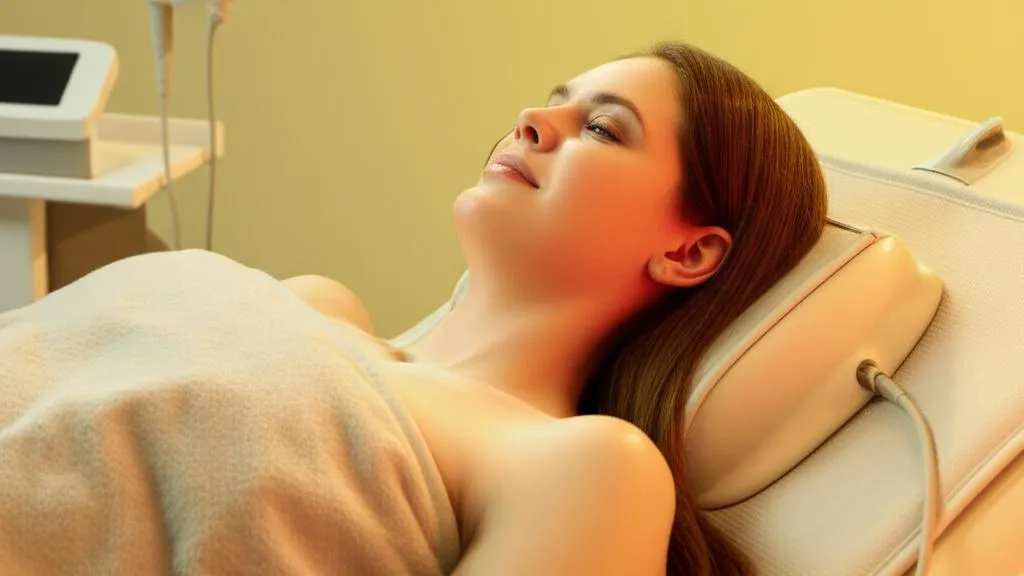
When your lower back tightens up after a long week, or a stiff neck greets you first thing in the morning, what is the very first thing you reach for? Be honest—you have probably grabbed an electric heating pad, a microwavable wheat bag, or a hot water bottle, haven't you? That wave of soothing warmth melting away muscle tension feels remarkable. Now pause and ask yourself: what if doctors could harness that exact same principle of therapeutic heat in a far more precise, medically controlled way to ease deep chronic joint pain or even help shrink tumors alongside standard cancer treatments? That specialized clinical approach is called hyperthermia therapy (controlled medical heat therapy). When patients ask us about it in the clinic, we doctors look closely at your underlying diagnosis, heart health, and current medications to see whether medical heat is safe and genuinely helpful for you.
📌 Key Takeaways at a Glance
- Precision Medical Heat: Hyperthermia therapy uses specialized hospital or clinic equipment to warm either a specific area (regional hyperthermia) or your whole body (systemic hyperthermia) to carefully regulated temperatures.
- Two Primary Clinical Uses: Specialists mainly use it to make cancer cells more vulnerable to chemotherapy and radiation, and to relieve stubborn pain and stiffness in inflammatory joint conditions like ankylosing spondylitis.
- Natural Pain Relief Mechanism: Gentle whole-body warming acts like a controlled artificial fever, stimulating your immune system and boosting your brain's natural painkillers, called endorphins.
- Strictly Clinical—Never DIY: Trying to mimic this treatment at home with scalding baths, long sauna sessions, or heavy blankets risks life-threatening overheating (heat stroke).
Simply Put, What Is Hyperthermia Therapy?
Hyperthermia therapy is a medically supervised treatment that raises the temperature of either a targeted body area or your entire body to a controlled range between 38.7°C and 41°C (101.7°F to 105.8°F). Doctors use this therapeutic heat alongside chemotherapy or radiation for certain cancers and to ease stubborn inflammatory joint and muscle pain.
We rarely stop to think about how precisely our bodies regulate temperature, do we? Even a couple of degrees makes an enormous difference inside your cells. Unlike placing a warm compress on your shoulder while watching television on the sofa, clinical hyperthermia relies on calibrated medical technology to hold tissues at an exact target temperature for a set window of time.
Depending on what condition you are living with, specialists deliver this treatment in two main ways:
- Targeted Heat (Local or Regional Hyperthermia): Heat is focused directly onto a specific tumor, deep tissue area, or painful limb using specialized energy waves or warmed fluid circulation.
- Full-Body Heat (Systemic or Whole-Body Hyperthermia): Your entire core body temperature is raised gently and evenly, primarily to calm widespread inflammatory pain or support specialized oncology protocols.
In modern clinical practice, hyperthermia therapy serves two distinct purposes: helping chemotherapy and radiation work harder against stubborn cancer tumors, and easing deep musculoskeletal stiffness in conditions such as chronic inflammatory spine arthritis (ankylosing spondylitis).
How Does Hyperthermia Therapy Help Reduce Chronic Pain?
Have you ever wondered why your body actually develops a mild fever when you catch a seasonal virus? A fever is not a design flaw—it is your immune system turning up the thermostat to mobilize its defenses. When doctors perform whole-body heat therapy (systemic hyperthermia) for chronic pain, we are essentially creating a mild, carefully controlled artificial fever.
Think about it for a second. When your core temperature rises smoothly under medical supervision—always kept safely below 41°C (105.8°F)—your immune system wakes up like a team of defense soldiers stepping onto the field. That controlled thermal boost triggers your brain and nervous system to release higher levels of endorphins (your body's own natural pain-relieving and mood-lifting chemicals). Those are the very same feel-good messengers that give you a calm, clear-headed lift after a brisk walk or a good workout.
Look at what happens inside your muscles and joints when that warmth settles in: blood vessels widen, oxygen-rich blood flows into tight tendons, and stiff connective tissues soften so your joints move more freely. For people living with ankylosing spondylitis, clinical research—especially in specialized European rehabilitation centers—has even shown that combining mild hyperthermia with low-dose radon therapy can significantly improve spinal flexibility and ease morning stiffness. Pretty fascinating, right?
How Is Hyperthermia Therapy Done in a Clinic or Hospital?
If you are referred for systemic hyperthermia at a specialized clinic or hospital unit, the process is calm, gradual, and closely supervised from start to finish. Your body is never heated all at once. Instead, clinical staff raise your core temperature slowly over roughly 60 minutes until it reaches a gentle, moderate fever zone—typically between 38.7°C and 39°C (101.7°F to 102.2°F).
How do medical teams achieve that steady rise without overheating your skin? Depending on the center and your treatment plan, specialists use purpose-built medical devices such as water-filtered infrared chambers, circulating thermal blankets, or specialized warm-water immersion systems. For targeted regional hyperthermia—most often used in oncology centers alongside radiation or chemotherapy—doctors use focused radiofrequency, microwave, or ultrasound applicators aimed strictly at the tumor site.
Throughout every single minute of the session, trained nurses and doctors continuously track your vital signs. Soft sensors monitor your core body temperature, heart rate, blood pressure, and blood oxygen levels in real time, while you stay hydrated with water or balanced electrolyte fluids. Once your therapeutic window finishes, the team guides you through a gradual, comfortable cool-down phase before you head home.
How Does Medical Hyperthermia Compare to Home Heat Remedies?
Just like we mentioned at the very beginning, everyday warmth at home and medical hyperthermia sit worlds apart—even though both rely on the soothing power of heat. Patients often ask us whether a long session in a gym sauna or a steaming hot bath delivers the same medical benefits. Knowing the exact difference protects your health and sets realistic expectations.
| Heat Approach | How It Works & What You Should Do |
|---|---|
| Home Heating Pad or Warm Wheat Bag (Everyday muscle tension) | Warms only the top few millimeters of skin and superficial muscle, boosting local blood flow to ease mild soreness. What you should do: Use a warm—never scalding—pad for 15 to 20 minutes at a time with a thin cloth barrier to protect your skin. |
| Sauna, Steam Room, or Hot Bath (General relaxation) | Heats your skin rapidly without precise core-temperature control, triggering heavy sweating and temporary blood vessel dilation. What you should do: Keep sessions brief (10 to 15 minutes), sip plenty of plain water, and step out immediately if you feel dizzy or lightheaded. |
| Regional Medical Hyperthermia (Targeted tumor or deep tissue) | Uses calibrated electromagnetic or ultrasound energy to heat deep tissue or tumors to 40°C–43°C (104°F–109.4°F) to enhance radiation or chemotherapy. What you should do: Ask your oncologist or specialist whether regional hyperthermia is offered as an add-on therapy for your specific diagnosis. |
| Systemic Whole-Body Hyperthermia (Controlled clinical fever) | Gradually raises core temperature to 38.7°C–39°C (101.7°F–102.2°F) over an hour with continuous heart, blood pressure, and core monitoring. What you should do: Only undergo this procedure in an accredited clinic or hospital under direct physician supervision. |
Can You Safely Do Hyperthermia Therapy at Home?
Let us be crystal clear about this: no, you must never try to perform hyperthermia therapy at home. What do you think happens when someone tries to force their core body temperature up by sitting in an overly hot bath, staying inside a sauna past their comfort limit, or piling on heavy winter duvets in a heated room? Instead of triggering a safe, regulated therapeutic response, your body's natural cooling system becomes overwhelmed.
When your internal thermostat loses control, you risk developing rapid dehydration, dangerous drops in blood pressure, heat exhaustion, or life-threatening heat stroke (a medical emergency where core body temperature climbs past 40°C or 104°F and begins harming the brain, heart, and kidneys). A home bathroom or gym sauna simply lacks continuous core-temperature probes, cardiac monitoring, and medical staff trained to adjust heat output second by second.
Gentle home warmth—like a warm shower before stretching, a heating pad on a stiff shoulder, or sipping a warm cup of herbal tea—is wonderful for everyday comfort. True hyperthermia therapy, however, belongs strictly inside a medical facility where specialists tailor the temperature, duration, and cooling phase to your exact health profile. That distinction makes complete sense, right?
Who Might Benefit—and Who Should Avoid Medical Heat Therapy?
Remember how we talked earlier about checking your heart health and diagnosis before considering medical heat? Because raising body temperature asks your heart to pump a little faster and widens blood vessels throughout your body, hyperthermia therapy is not right for everyone.
In general, doctors consider evaluating patients for a specialist referral in two scenarios: individuals undergoing radiation or chemotherapy for certain solid tumors (such as recurrent breast cancer, cervical cancer, melanoma, or soft-tissue sarcomas) at comprehensive cancer centers, and select patients with stubborn chronic inflammatory joint or musculoskeletal pain—like ankylosing spondylitis—who have not found enough relief from standard physical therapy and medications.
On the flip side, systemic heat therapy is usually unsafe if you have:
- Significant Heart or Blood Vessel Disease: Conditions like heart failure, unstable chest pain (angina), recent heart attack, or uncontrolled high blood pressure.
- Severe Circulation or Nerve Damage: Advanced peripheral artery disease or severe neuropathy that keeps you from feeling heat properly on your skin.
- Pregnancy or Active Acute Infections: Elevated core temperatures can harm a developing baby or worsen an active, unmonitored infection.
If you are wondering whether this therapy fits your situation, start with a conversation at your Primary Care Physician (PCP) or family GP clinic so we doctors can review your heart health, medications, and safe referral options.
✔️ What You Should Do & ❌ What to Avoid
- ✔️ Do talk to your Primary Care Physician (PCP) or family GP first: Ask for a thorough review of your heart health, blood pressure, and current medications before exploring any clinical heat therapy center.
- ✔️ Do hydrate well before and after safe heat exposure: Drink plenty of plain water or low-sugar electrolyte fluids whenever you use a warm bath, sauna, or clinic-supervised heat session.
- ✔️ Do keep everyday home heat gentle and brief: Limit heating pads or warm wheat bags to 15 to 20 minutes per session, always placing a towel or shirt between the heat source and your bare skin.
- ❌ Don't attempt "DIY hyperthermia" at home: Never try to induce a fever with scalding baths, prolonged sauna sessions, or heavy layers of blankets.
- ❌ Don't apply heat to freshly injured or swollen joints: If you just twisted an ankle or pulled a muscle within the past 48 hours, stick to rest and a cool compress first—heat can worsen acute swelling.
- ❌ Don't ignore warning signs from your body: Stop any warm bath, sauna, or heating pad use immediately if you feel lightheaded, nauseated, overly flushed, or short of breath.
🚨 When to Seek Immediate Emergency Care (Red-Flag Symptoms)
If you or someone near you develops any of these red-flag symptoms, do not wait — call 911 (or 999 in the UK / 000 in Australia) immediately or go straight to the nearest hospital Emergency Room (ER / A&E):
- Sudden Confusion or Neurological Changes: Slurred speech, severe dizziness, disorientation, staggering, agitation, or fainting after heat exposure.
- Very High Body Temperature: A core temperature reaching 40°C (104°F) or higher, accompanied by hot, flushed, dry, or strangely clammy skin.
- Chest Pain or Racing Irregular Heartbeat: Pressure, tightness, or pain in your chest, or a pounding heart that will not settle down after cooling off.
- Severe Shortness of Breath: Struggling to catch your breath while resting or lying down.
- Persistent Vomiting or Seizures: Inability to keep fluids down, severe muscle cramping with dark urine, or any seizure activity.
💡 Key Take-Home Message
- Controlled Science, Not Folk Remedy: Hyperthermia therapy raises body or tissue temperature under strict clinical monitoring to support cancer therapies and ease stubborn inflammatory pain.
- Works With Your Natural Defenses: Gentle systemic warming stimulates immune activity and boosts natural brain painkillers (endorphins) while relaxing stiff muscles and tendons.
- Hospital and Clinic Only: Safe hyperthermia requires calibrated equipment and continuous heart, blood pressure, and core-temperature monitoring—never try it at home.
- Partner With Your Doctor: Speak with your Primary Care Physician (PCP), family GP, or oncology specialist to find out if accredited hyperthermia care is appropriate and safe for your condition.






No comments yet. Be the first to share your question or experience below.